Getting Started with Food Manufacturing Fundamentals
Jumping into the food manufacturing world can feel overwhelming, especially if you’re new and unsure where to begin. The Free Food Manufacturing Fundamentals Course with Certificate in South Africa offers an ideal way to start—no prior experience needed. It guides you through practical basics that South African workplaces expect, from food safety laws to hands-on hygiene practices.
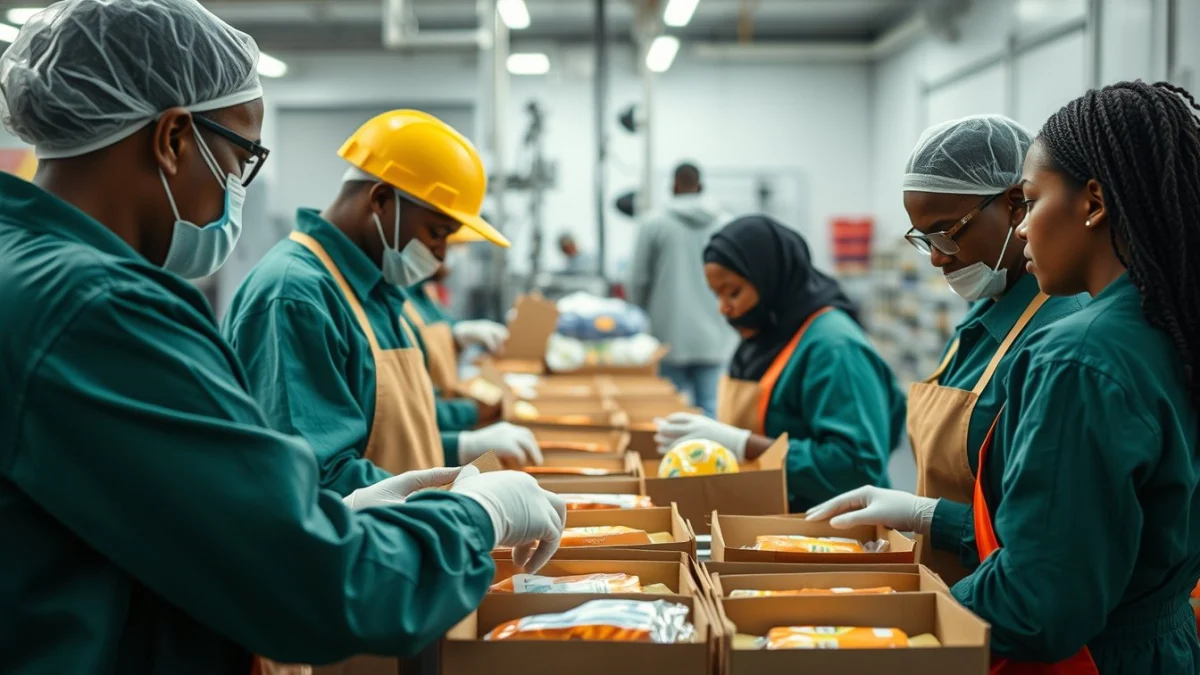
A common beginner frustration is navigating unfamiliar terms and rules, especially when real-life factory floors move fast and mistakes can immediately affect product safety. Imagine being asked to check raw material quality for the first time and not knowing what clues to look for—this is where clear foundational training makes all the difference.
What to Know First: Key Steps to Begin Learning
- Understand the industry context. Know how food manufacturing fits into South Africa’s economy, who the main players are, and why safety rules exist.
- Learn the safety basics early. Food safety and hygiene aren’t just rules to Memorize — they protect consumers and your workplace reputation.
- Start with terminology. Food manufacturing has its own language—phrases like traceability and quality control will become your daily tools.
- Get familiar with the legal framework. South Africa has strict food safety laws. Knowing what these require saves headaches down the road.
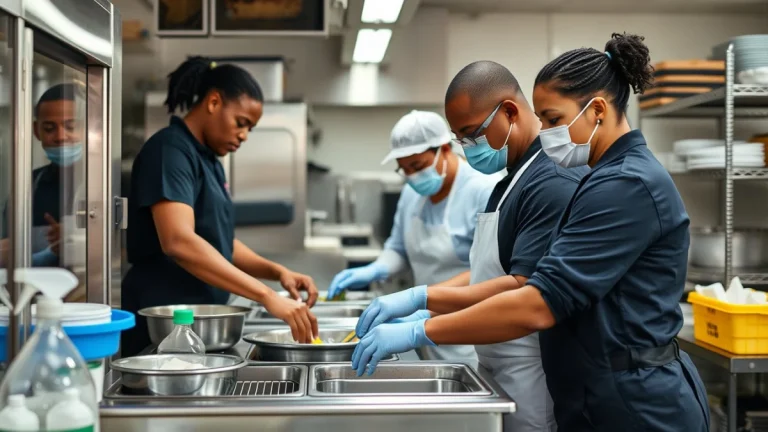
- Practice hygiene carefully. Personal hygiene and workplace cleaning are often overlooked but cause many quality slips.
Taking this course gives learners a clear path. Starting with introduction topics, moving through food safety laws, hygiene, raw material handling, processing, and finishing with quality control, packaging, and workplace safety, it breaks down the journey into manageable learning chunks. This structure helps stop the feeling of being lost in a sea of information.
Skills You’ll Build in This Free Course
This beginner free food manufacturing fundamentals course with certificate in South Africa teaches more than theory. Here’s what you can realistically expect to gain:
- Foundational food industry knowledge: Understand the role of different processes in making safe, good-quality food.
- Food safety and hygiene habits: Learn proper handwashing, cleaning routines, and contamination prevention.
- Raw materials insight: Know how to inspect, store, and trace ingredients to keep products safe.
- Equipment basics: Identify common machinery used and understand critical control points for safety.
- Quality control awareness: Grasp testing, record-keeping, and how to spot problems early.
- Packaging and labelling rules: Learn how to ensure food packaging is safe and labels meet South African standards.
- Workplace safety understanding: Know how to identify hazards, use PPE, and react in emergencies.
These skills reflect what South African employers expect from new food manufacturing workers and give learners confidence to contribute safely and efficiently from their first day on the job.
Common Beginner Mistakes and How to Avoid Them
Starting fresh means mistakes are normal, but some errors create bigger problems than others:
- Ignoring the importance of personal hygiene. It sounds simple, but failing to wash hands properly or wear recommended clothing leads to contamination and costly production shutdowns.
- Misunderstanding raw material storage needs. Wrong temperatures or mixing up suppliers can spoil batches without warning.
- Skipping documentation steps. Not keeping proper records causes compliance failures and confusion during audits.
- Assuming all equipment is the same. Each machine has controls, maintenance needs, and safety risks; don’t use one without guidance.
- Not speaking up about risks. Beginners often hesitate to report hazards or issues, but staying quiet increases workplace danger.
The course underlines these mistakes early, helping learners to build good habits and understand their responsibility in a food manufacturing setting.
What Working in Food Manufacturing Really Looks Like
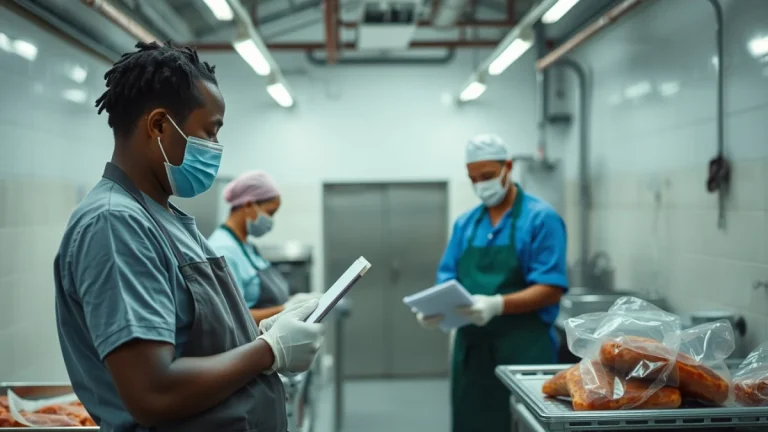
Behind the scenes, food manufacturing work involves multitasking and strict routines. You might start your shift inspecting raw materials, noting temperatures, and verifying label accuracy, then move on to monitor a machine or run quality checks. The pace isn’t always slow; sometimes it’s a race to fix a packaging error before a whole batch is wasted.
Expect to deal with strict cleanliness standards—blue gloves and hairnets are everyday gear—and constant awareness of cross-contamination risks. Many beginners underestimate the mental focus needed for these detail-heavy tasks. A simple lapse can mean product recalls or health risks.
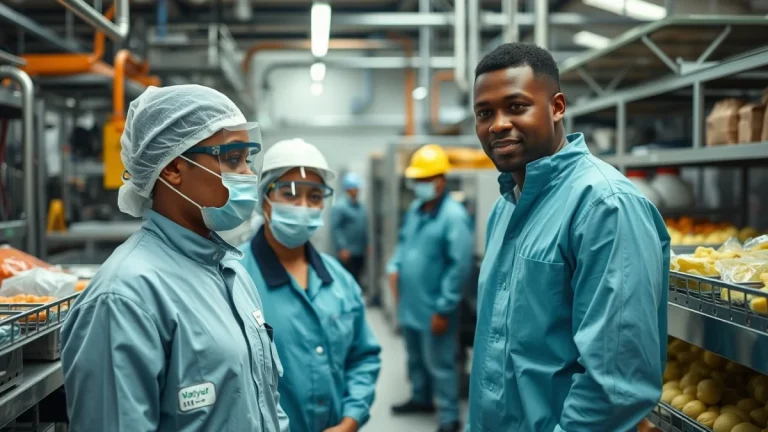
On the bright side, this work builds real skills you carry forward—attention to detail, teamwork in a high-stakes environment, and knowledge of safety standards valuable across South Africa’s food supply chain.
Simple Checklist: Ready to Start Your Food Manufacturing Learning?
- Have reliable internet access for online study.
- Set aside 1-2 hours per week to complete lessons and quizzes.
- Keep a notebook or digital recorder for notes and key points.
- Plan to apply learning to simple workplace tasks or kitchen experiments.
- Understand this is step one in a growing skill set, not overnight mastery.
- Allow time to revisit tricky concepts—you’ll solidify understanding over weeks.
Answers to Common Questions
Can I start a food manufacturing course with no experience?
What should I learn first in food manufacturing?
Why do beginners get stuck in food manufacturing training?
What are the first practical steps on the job?
Your Next Step to Gain Food Manufacturing Skills
Ready to build your knowledge with a free course tailored for South African learners? The Food Manufacturing Fundamentals Course with Certificate in South Africa walks you through each key area—from safety laws to practical daily workplace skills. Start at your own pace, gain confidence, and earn a certificate to show what you know.