Free Food Quality Assurance Course with Certificate: What to Know First
If you’re looking to build practical skills in food quality assurance, the Free Food Quality Assurance Fundamentals Course with Certificate in South Africa is a great place to start. This course gives you a solid understanding of food quality principles, South African regulations, and workplace applications—all from home and at no cost.
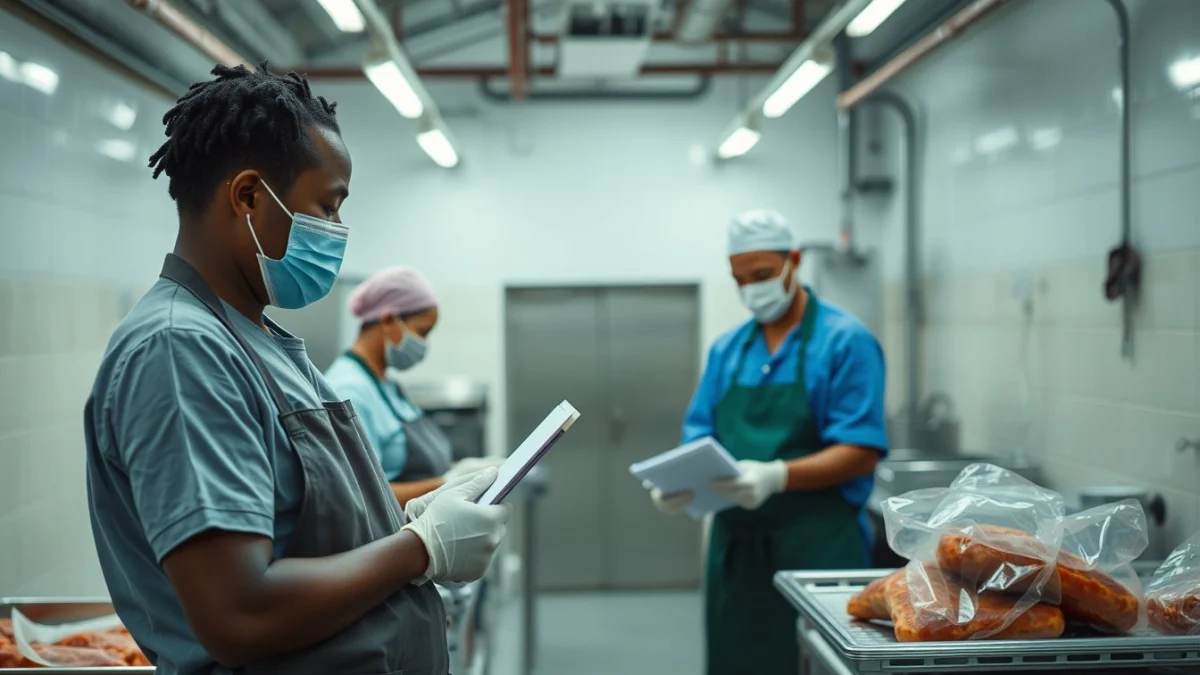
Many beginners jump in expecting to learn only about food safety rules. But food quality assurance covers much more—like managing risks, auditing processes, and supplier control. In South African workplaces, overlooking these details can lead to costly mistakes, such as rejected batches or even safety issues. For example, a food handler who skips proper documentation might cause a failed quality audit, affecting the whole business.
What This Course Covers and Why It Matters
This course breaks down food quality assurance into easy-to-follow lessons that matter for anyone entering or working in the South African food sector. Here’s what you’ll get:
- Clear basics: What food quality assurance means and why it’s important in SA.
- Regulations and standards: South African food laws, key standards like HACCP, and what businesses must comply with.
- Quality management systems: How to build and implement systems that keep food safe and consistent.
- Quality control tools: Practical methods to check food quality day-to-day.
- Risk handling: Identifying food quality hazards early and dealing with them.
- Supply chain quality: Keeping suppliers and transport in check, so food stays top-quality right to store shelves.
- Hygiene and sanitation: Essential practices to maintain cleanliness and prevent contamination.
- Documentation and audits: How good records and audits catch errors before they become serious.
- Workplace application: Integrating all these practices into daily work routines.
Completing this course gives you a certificate that proves you understand these fundamentals, boosting your confidence and your CV for South African food industry roles.
What Food Quality Assurance Actually Looks Like at Work
Imagine you’re working in a small food factory near Durban. It’s Monday morning, and you’re the quality assurance assistant on the floor. Your job isn’t just to check if the product tastes right, but to:
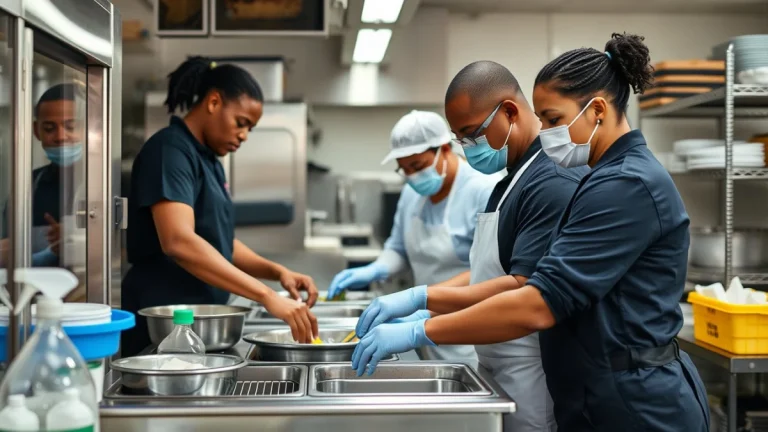
- Follow daily sanitation schedules to prevent contamination
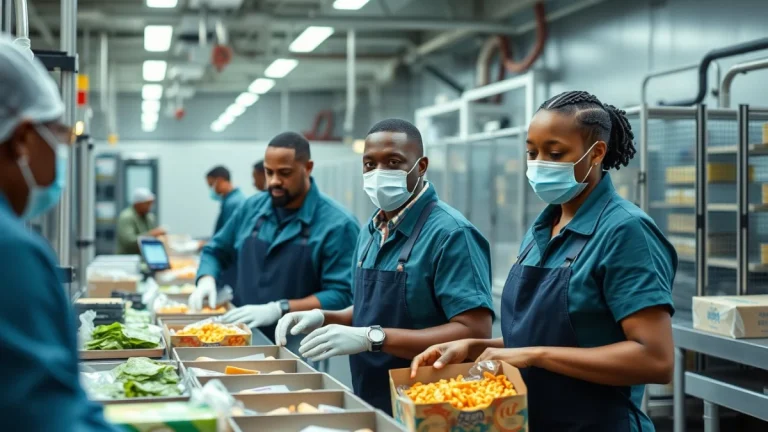
- Check all incoming ingredients against supplier delivery notes and specs
- Spot risks like incorrect storage temperatures or damaged packaging
- Record these checks accurately in quality logs
- Prepare for monthly audits by reviewing past reports and updating staff training notes
This hands-on work keeps the food safe, the business compliant, and customers happy. Miss just one step, like a skipped sanitation report or a forgotten supplier check, and the entire batch could be rejected, causing delays and losses.
Common Beginner Mistakes in Food Quality Assurance
Starting out, many learners think food quality assurance is only about food safety or hygienic practices. That’s a partial view. Food QA also means managing paperwork, training teams, and knowing the legal rules.
One big trap: ignoring how important documentation is. Neglecting record-keeping might seem like a small thing, but in reality, it undermines audit readiness and traceability.
Another misconception is assuming standards are the same everywhere. In South Africa, local regulations like the Foodstuffs, Cosmetics and Disinfectants Act add extra layers that every worker should understand.
Practical Advice for Beginners Starting This Course
- Take your time: The terminology and steps can feel a bit much at first. Focus on one lesson at a time.
- Think like a detective: Look for risks or gaps that could harm quality or safety.
- Use real examples: If you work or volunteer in a food place, observe daily quality checks and relate them to what you learn.
- Keep notes: Document your course learnings in a way that you can quickly refer back to when on the job.
- Practice quizzes: They reinforce what you’ve learned and show where to focus more.
FAQs About Food Quality Assurance Training in South Africa
What exactly is food quality assurance?
Why is food quality assurance important in South African workplaces?
Can I do this course if I have no experience in food handling?
How does the certificate help my career?
Why This Free Online Food Quality Assurance Course Stands Out
A lot of free courses rush over how important paperwork and workplace culture are to quality assurance. This course includes detailed lessons on documentation, audits, and how to work smoothly with suppliers and colleagues. These are areas learners often struggle with but that are vital for keeping quality on track over time.
Also, the course is tailored for South African regulations and realities—not generic content from other countries. This makes it more practical if you want to work in local food industry settings.