What This Means: GMP in the Food Industry
GMP stands for Good Manufacturing Practices. In the food industry, GMP are specific rules and procedures that food producers follow to make sure their products are safe, clean, and of good quality. If you want to understand how food stays safe from farm to table, knowing GMP is key. For anyone looking for a Free Food Quality Assurance Fundamentals Course with Certificate in South Africa, learning about GMP is a top step.
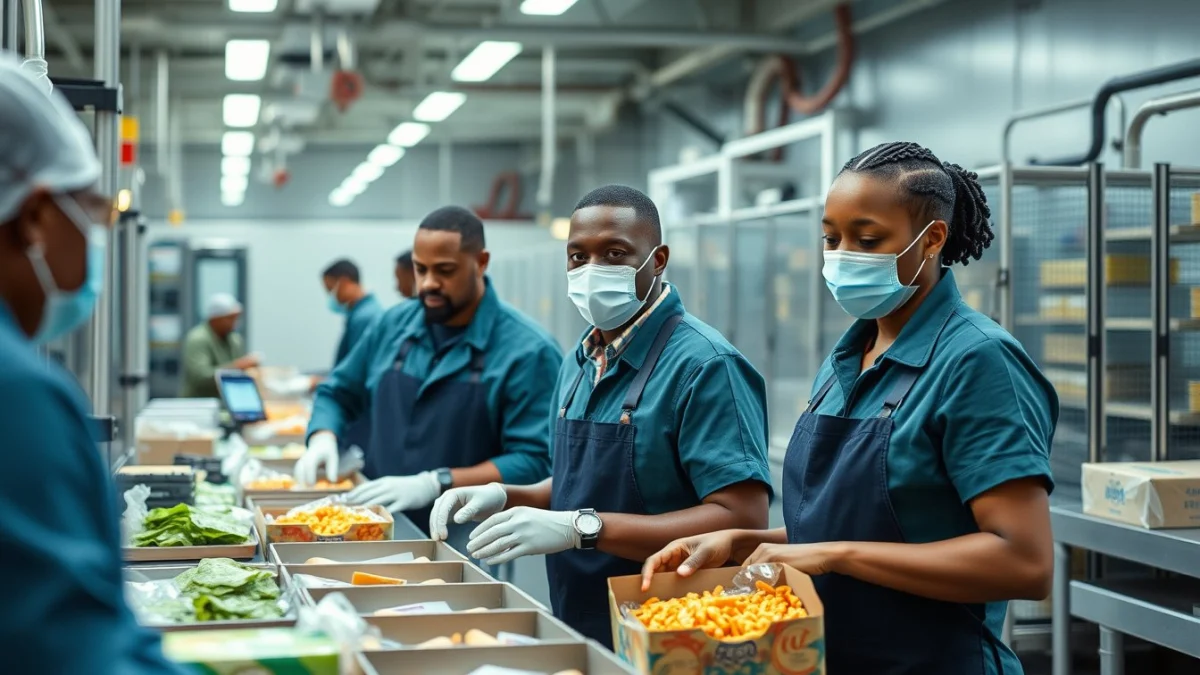
Many beginners get stuck because GMP sounds like a set of complicated laws. But at its core, GMP is about practical everyday actions — like keeping food contact surfaces clean or training staff properly. In a busy South African food production site, missing steps like proper hygiene or record-keeping can lead to costly recalls or legal trouble. This real pressure makes understanding and following GMP critical.
What Is GMP in Practice?
Good Manufacturing Practices are a set of everyday guidelines that help food businesses make products safely. These guidelines cover all the basics: cleanliness, employee hygiene, equipment maintenance, pest control, and accurate documentation. When GMP is followed, it reduces the chance of food contamination, spoilage, and customer complaints.
GMP doesn’t focus only on the end product quality, but also on the whole process that leads to that product. That means checking raw materials, how food is stored and transported, and how workers handle food at every step.
Why GMP Matters at Work
In South African workplaces, food safety regulations expect companies to implement GMP as part of their food quality assurance systems. Not doing this can lead to failed inspections, fines from authorities like the Department of Health, or worse — consumers getting sick.
For workers, following GMP can sometimes feel like extra hassle when rushing to meet production targets. But skipping any GMP step, such as not washing hands thoroughly or skipping cleaning schedules, risks product contamination. This can mean shutting down production lines, losing customers, or damaging a brand’s reputation.
Key Parts of GMP
- Personal Hygiene: Workers must wash hands, wear clean uniforms, and avoid contamination.
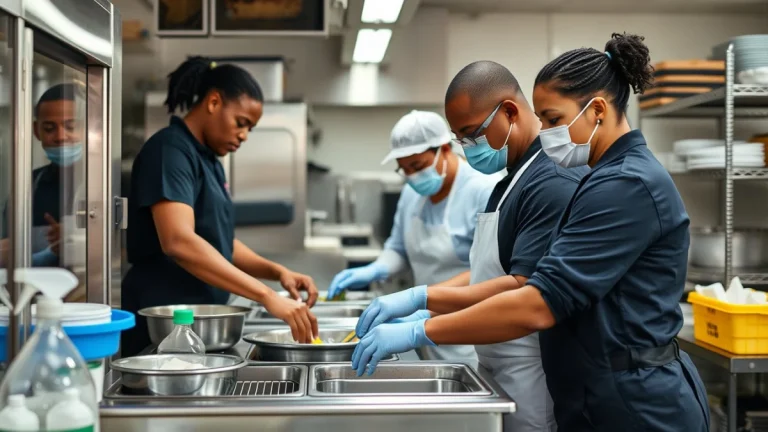
- Facility Cleanliness: Food contact surfaces and equipment must be cleaned and sanitized regularly.
- Equipment Maintenance: Regular checks and servicing to avoid mechanical failures or contamination risks.
- Raw Material Control: Inspecting ingredients to ensure they meet quality standards before use.
- Proper Storage and Transport: Keeping food at the right temperatures and conditions to prevent spoilage.
- Documentation: Recording cleaning schedules, inspections, and training to prove compliance and track issues.
A Day in a Food Workplace Using GMP
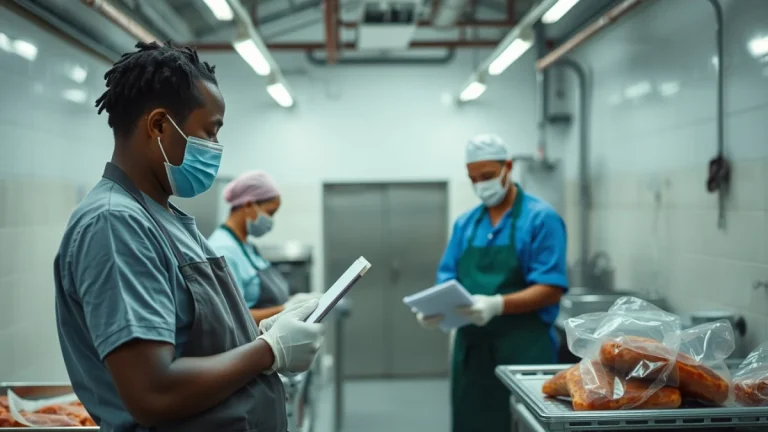
Imagine a small South African jam factory. At the start of the day, workers wash their hands and put on hairnets. The quality officer checks that the mixing tanks are clean and sanitized from the night shift. The raw fruit delivery is inspected for freshness and stored in a cool room. During production, workers use GMP checklists to make sure each batch follows safety steps.
If a machine breaks down, the maintenance team fixes it immediately while recording the incident. After production, the cleaning team follows a strict sanitation schedule documented on site. Any mistakes, like forgetting to clean a surface, are caught during a quick quality audit. This routine keeps the jam safe and delicious.
Common Misunderstandings About GMP
- “GMP is just cleaning”: While hygiene is part of GMP, it also covers process control, training, and documentation.
- “Only big companies need GMP”: Small food businesses also must follow GMP to meet regulations and keep customers safe.
- “GMP guarantees zero risk”: GMP reduces risks but doesn’t remove them all—constant monitoring is still needed.
- “Documentation is paperwork just for show”: Accurate records help trace problems and prove compliance during inspections.
What Beginners Often Struggle With
Starting with GMP can feel overwhelming. Many beginners confuse it with general food safety or think it requires complex lab tests. The reality is GMP starts with simple daily habits: washing hands properly, following cleaning checklists, and recording tasks honestly.
Another mistake is rushing through steps to meet production goals. Always remember that skipping GMP steps leads to bigger delays when problems arise later. A helpful tip is involving all staff in quality discussions so everyone understands why this matters.
FAQs About GMP in the Food Industry
What is the difference between GMP and HACCP?
Do small food businesses need to follow GMP in South Africa?
How is GMP monitored in workplaces?
What happens if a food business ignores GMP?
Learn GMP and More with Food Quality Assurance Fundamentals
If you want to get hands-on with food safety basics like GMP, consider enrolling in a free online Food Quality Assurance Fundamentals Course with Certificate in South Africa. This course covers everything from GMP basics to quality management systems, risk control, and audits. It’s designed for beginners who want practical, workplace-ready skills to build confidence and ensure food quality every day.