How to Prevent Cross-Contamination in Food
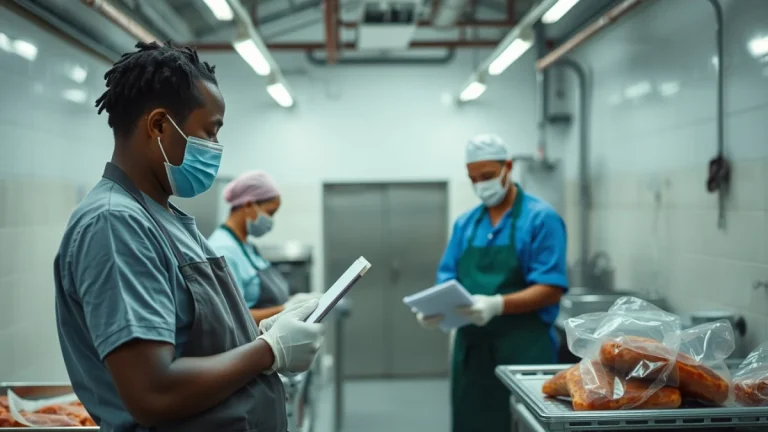
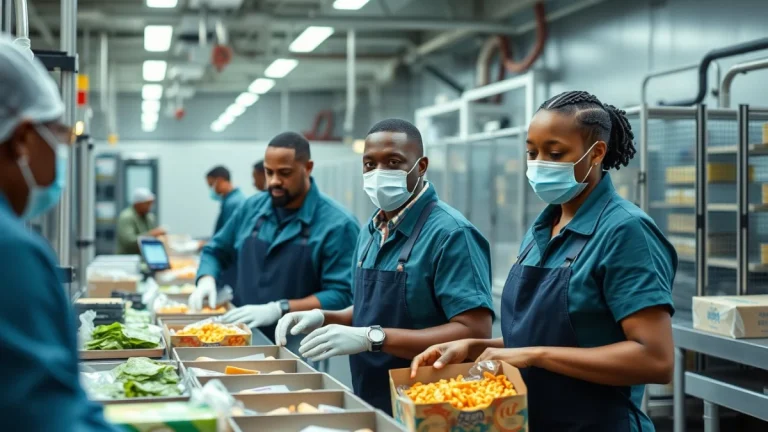
If you work with food in South Africa, knowing how to prevent cross-contamination is a crucial skill. It’s the difference between serving safe meals and risking dangerous foodborne illnesses. This guide gives you clear, step-by-step actions to stop cross-contamination, based on real workplace challenges. This is especially helpful if you’re taking a free food quality assurance fundamentals course with certificate in South Africa and want practical tips for daily tasks.
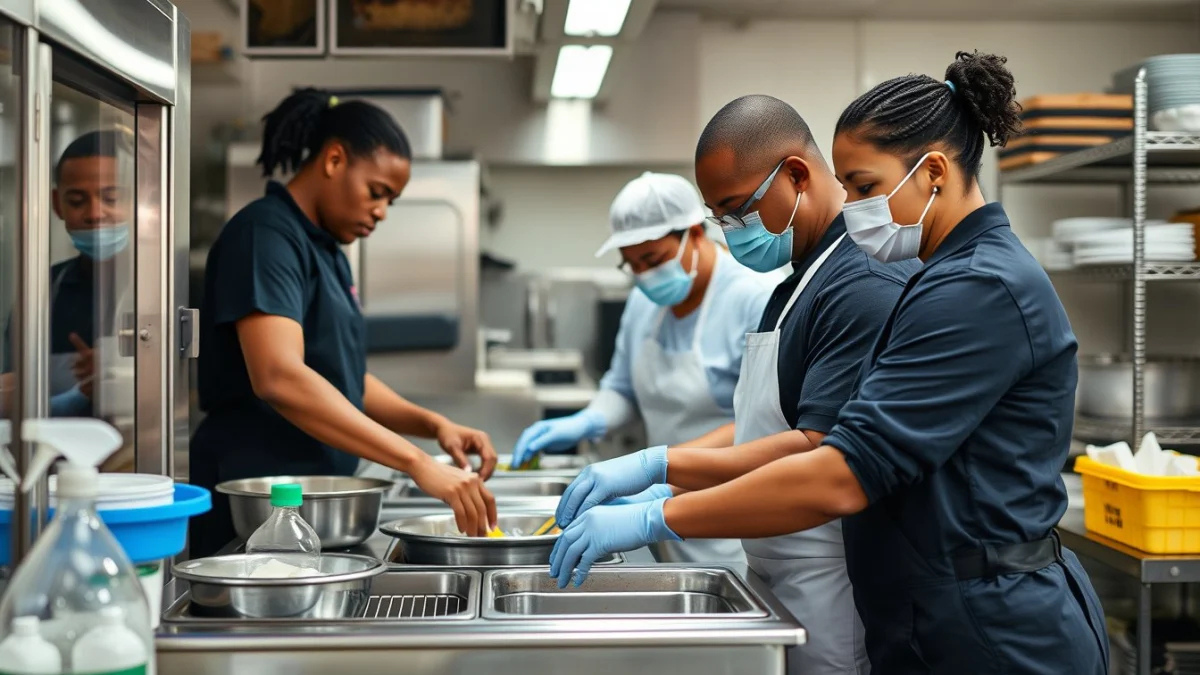
In many kitchens or food production lines, staff are rushed, juggle multiple foods, and cut corners without meaning to. It’s easy to mix raw and cooked items or use dirty tools unknowingly. Avoiding these slip-ups is key to true food safety, but many beginners struggle with the subtle ways contamination happens. One overlooked fact is that cross-contamination can spread through cloths, cutting boards, and even hands—so controlling it means managing every contact point carefully.
The Main Steps to Prevent Cross-Contamination
1. Separate Raw and Cooked Foods
- Always store raw meat, poultry, and seafood separately from cooked and ready-to-eat items.
- Use clearly labelled containers and keep them on lower shelves in the fridge, preventing drips onto other foods.
- In food prep, designate separate cutting boards and knives for raw foods and another set for cooked or fresh produce.
2. Keep Hands Clean and Use Barriers
- Wash hands thoroughly with soap and warm water before and after handling different food types.
- Use disposable gloves if possible, changing them between tasks.
- Never touch ready-to-eat food after handling raw ingredients without washing hands.
3. Clean and Sanitize Surfaces and Utensils
- Use hot, soapy water followed by a sanitizer on all surfaces after preparing raw foods.
- Have separate cleaning cloths or disposable wipes for surfaces in contact with raw foods.
- Routinely check and maintain cleaning tools; dirty cloths are a common way bacteria spread unnoticed.
4. Store Food Properly During Transport and Display
- Keep cold foods below 5°C and hot foods above 60°C to prevent bacterial growth that worsens risks from cross-contamination.
- Use well-sealed containers during transport to avoid contact between foods.
- In shops or serving areas, store food items on separate shelves or compartments.
Best Practices That Make Cross-Contamination Nearly Impossible
- Colour coding: Use colour-coded cutting boards, knives, and utensils (e.g., red for raw meat, green for vegetables). This visual cue cuts down mistakes under pressure.
- Regular staff training: Reinforce awareness about cross-contamination risks and correct practices. Even small forgetfulness leads to lapses in hygiene.
- Handwashing stations: Make sure they’re easily accessible and stocked with soap and disposable towels. Don’t rely on sanitizer only.
- Daily hygiene checks: Assign a staff member or supervisor to observe and correct unsafe habits before problems arise.
What Beginners Often Get Wrong About Cross-Contamination
Many beginners assume washing a knife once between tasks is enough, but if the board is contaminated, bacteria will still transfer. Or they think cooking food thoroughly reverses all cross-contamination risks, which is false if cooked food is touched again by dirty hands or surfaces.
Another common mistake is using the same cloth to wipe all surfaces throughout the day. If that cloth touched raw meat juices, it’s spreading contamination everywhere. Disposable wipes or separate cloths for each task protect better.
Mistakes to Avoid When Preventing Cross-Contamination
- Using one cutting board for all foods without cleaning and sanitising between uses.
- Ignoring handwashing times or rushing it under pressure, especially during busy shifts.
- Storing raw meats above cooked foods in the fridge, risking drips contaminating ready-to-eat items.
- Allowing personal habits like touching face or hair and then food without washing hands.
Customising Cross-Contamination Prevention for Your Workplace
Every kitchen or food production floor is different. Here are ways to adapt prevention tactics to local conditions:
- If space is tight, use physical barriers like cutting board covers or clearly separate prep zones.
- In smaller South African workshops with fewer resources, rely more on strict cleaning schedules and hand hygiene, as colour-coded gear might be costly.
- For suppliers and transporters, insist on sealed packaging and temperature control to prevent cross-contact in transit.
- Train casual or temporary workers clearly on contamination risks—they often miss these details without focused induction.
Real Work Example: Kitchen Rush Hour Crisis
Imagine a busy braai event where cooks juggle raw meat, marinade, salad, and sauces. One common break is using the same tongs for raw steak and cooked sausage. Without careful cleaning or separate utensils, pathogens spread. The key fix? Assign tongs per food type and instruct staff to keep track. It sounds simple but saves unsafe contamination slip-ups when the rush hits.
Likewise, spills are often wiped with the nearest cloth, which may spread raw juice across surfaces if not controlled. Having coloured cleaning rags for raw meat areas and another for clean prep reduces this risk.
Extra Examples of Cross-Contamination Control
- A local school kitchen schedules regular hygiene refresher sessions to avoid cuts in food safety standards as new learners join the kitchen team.
- A supplier performs spot checks on suppliers for compliance with food packaging laws to reduce contamination risk during supply chain transport.
- Cells phones and personal items are banned from food prep rooms to avoid hidden contamination points.