Understanding Food Contamination: What It Means in Practice
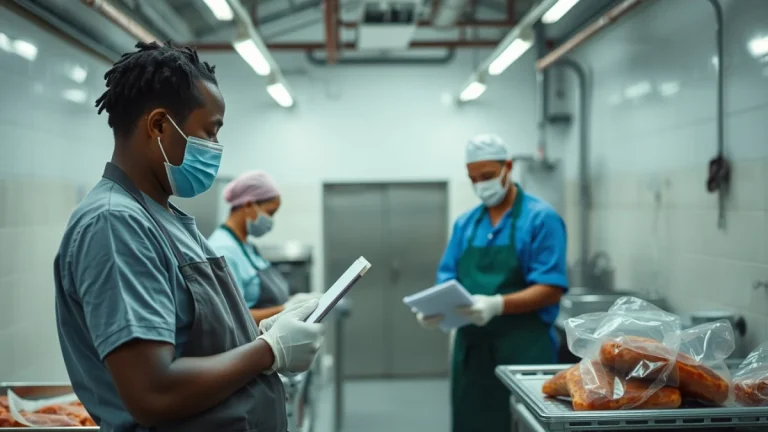
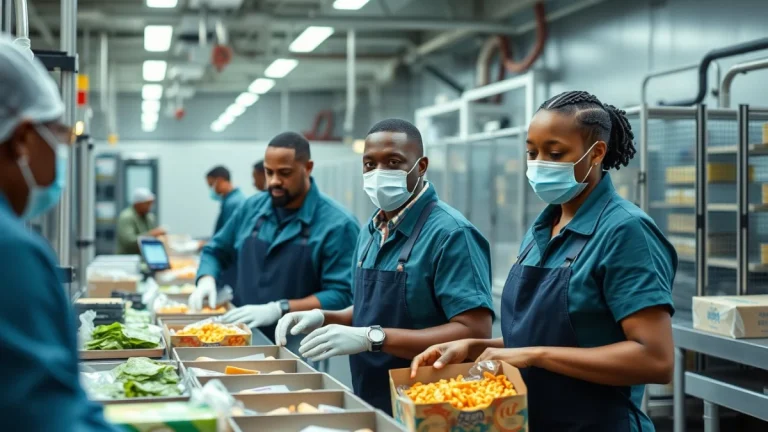
Food contamination happens when harmful substances get into food, making it unsafe to eat. This is a key concern for anyone working in food production or handling—one wrong move, and food quality can fail or, worse, cause illness. The Free Food Quality Assurance Fundamentals Course with Certificate in South Africa covers these risks thoroughly, helping you spot and manage contamination before it becomes a problem.
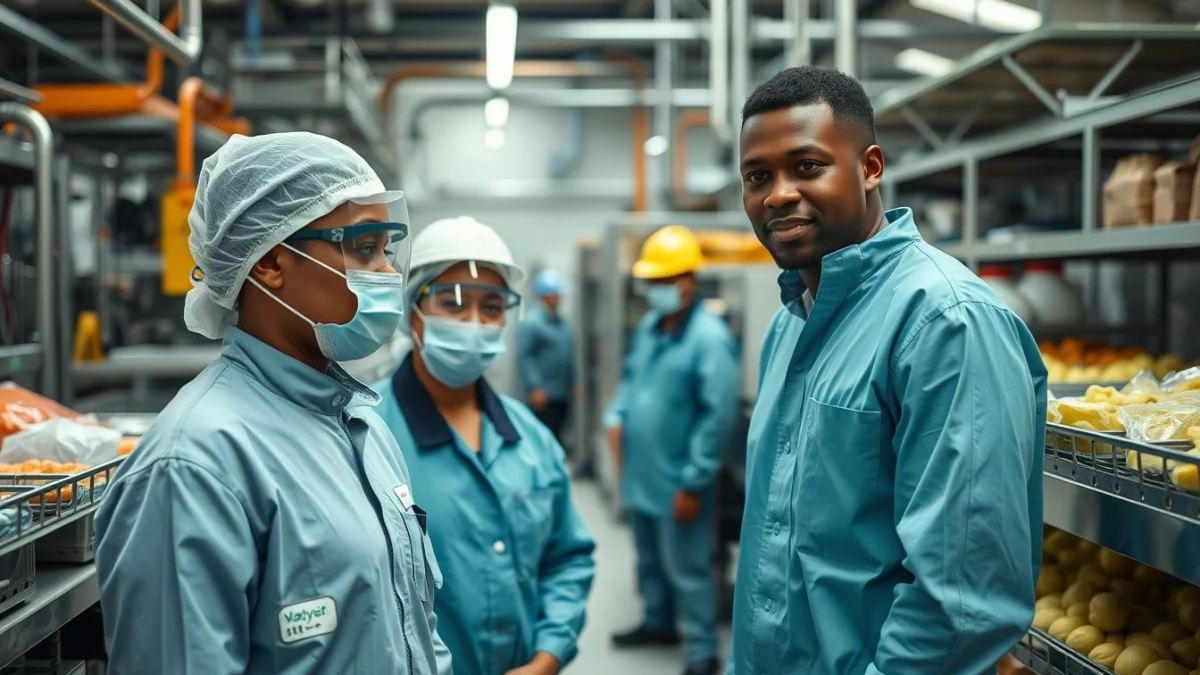
For beginners, contamination can feel confusing. The different types—biological, chemical, physical—often blend into one big worry, especially when balancing tight deadlines and keeping up with standards in a South African kitchen or factory. Knowing exactly how contamination happens and how to stop it keeps food safe and your job secure.
Types of Food Contamination You Need to Know
Food contamination generally falls into three main categories:
- Biological contamination: Caused by living organisms like bacteria, viruses, molds, or parasites.
- Chemical contamination: Involves harmful chemicals such as cleaning agents, pesticides, or toxins.
- Physical contamination: When foreign objects like metal fragments, glass, or hair get into food.
Each type affects food quality differently and requires specific control measures to prevent harm to consumers.
Biological Contamination Explained
This is the most common and dangerous. Bacteria like Salmonella and E. coli can multiply quickly in warm, moist foods. For example, in a busy South African catering service, incorrect storage or poor hand hygiene can let bacteria grow unchecked.
What many beginners don’t realise is how easily contamination spreads from one surface or food item to another. Cross-contamination is a silent risk. A raw chicken handled with the same knife used for salad without cleaning can contaminate the whole meal.
Chemical Contamination: Hidden But Harmful
Chemical contamination isn’t always visible. Residues from cleaning products, pesticides on vegetables, or even food additives incorrectly used can pose serious health risks.
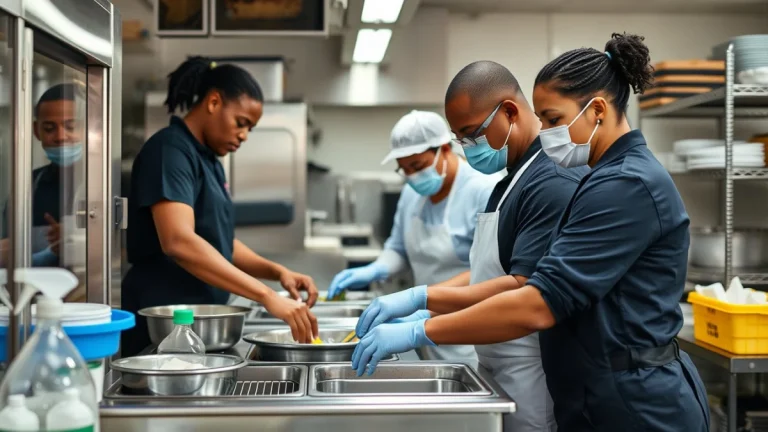
In workplaces, a common mistake is using cleaning chemicals in the wrong concentrations or not rinsing surfaces properly. This often happens in hectic shifts when workers rush sanitation tasks, leading to chemical traces in foods.
Physical Contamination: The Unexpected Trouble
Foreign objects like plastic pieces, bits of packaging, or metal shards can accidentally get into food during processing. A typical scenario could be a broken piece from machinery falling into a batch of dough.
This contamination not only affects food safety but also damages business reputation, sometimes causing costly recalls or customer complaints.
Why Food Contamination Matters in the South African Workplace
South Africa’s food industry faces unique challenges: a wide range of food producers, busy informal markets, and strict local regulations. Food contamination can lead to outbreaks, health department fines, or business shutdowns.
Every day, workers must juggle quality checks with fast production schedules. Missing contamination risks due to lack of training or oversight is common and can hurt food quality long term. That’s why courses like the free food quality assurance fundamentals training South Africa options offer are so valuable—they fill knowledge gaps before problems arise.
Seeing Food Contamination in Action: A Workplace Example
Imagine a small food processing plant where staff clean machinery using chemical detergents. In their rush to keep up with order deadlines, they don’t rinse the machines thoroughly. Residue remains on the equipment, contaminating the next batch of ready-to-eat products. Customers get sick, and an investigation cites poor hygiene and documentation.
This scenario shows a simple task neglected that led to chemical contamination—and how crucial clear procedures and worker training are to prevent it.
Common Misunderstandings About Food Contamination
- “If the food smells and tastes fine, it’s safe.” Many contamination hazards are invisible and don’t affect flavour or smell.
- “All contamination comes from outside the kitchen.” Often contamination comes from inside—workers’ hands, unclean surfaces, or improper processes.
- “Cleaning once a day is enough.” Contamination risks increase without frequent cleaning, especially in busy production areas.
Practical Advice for Beginners Handling Food Contamination Risks
- Always wash and dry hands properly between handling different foods.
- Use colour-coded chopping boards to prevent cross-contamination of raw and cooked foods.
- Follow manufacturer instructions when using cleaning chemicals—rinse fully to avoid residues.
- Inspect raw materials and ingredients carefully for physical contaminants before use.
- Keep clear, accurate records of cleaning and quality checks—these support compliance.