Becoming a Food Quality Assurance Officer in South Africa: What to Know First
Starting a path as a Food Quality Assurance (QA) officer can feel overwhelming, but it doesn’t have to be. Taking a Free Food Quality Assurance Fundamentals Course with Certificate in South Africa like the one offered by EduCourse can give you a clear, practical start without cost or prior experience. This online learning option fits South African standards and workplace realities, helping you gain skills that local employers value.

Many beginners feel stuck not because they lack interest, but because they don’t know what to focus on first or underestimate the everyday tasks involved. For example, you might expect quality assurance to be all about paperwork and testing, but in reality, it includes real-time checks, team training, and quick decisions in busy production lines. One overlooked tip: understanding how to read and apply South African food safety standards saves time and mistakes later on.
What Does a Food Quality Assurance Officer Do?
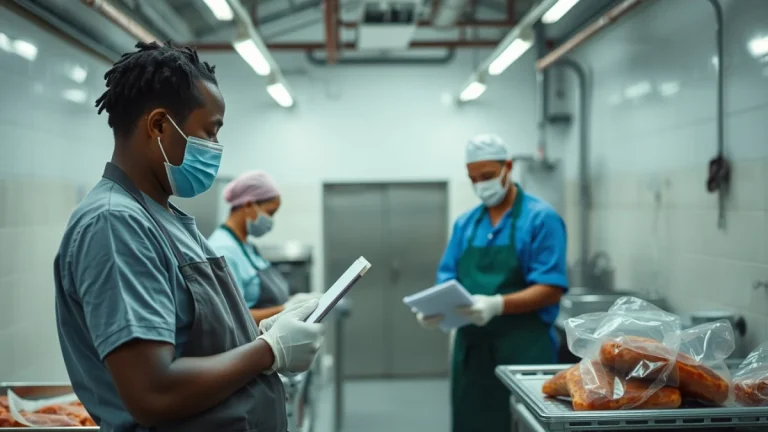
A Food QA officer ensures that food products meet safety, quality, and regulatory requirements from raw materials to the final packaged goods. Your role involves:
- Inspecting ingredients and finished products for defects or contamination.
- Ensuring hygiene and sanitation standards in the workplace.
- Recording and reporting quality control results accurately.
- Auditing suppliers and managing risks in the supply chain.
- Training staff on quality and safety protocols.
In South African workplaces, you will often need to coordinate with suppliers, production teams, and regulatory bodies. Remember, this isn’t just ticking boxes—it protects public health and the brand’s reputation.
Step-by-Step Path to Start Your QA Career
- Get Basic Food Safety Knowledge. Start with a free beginner food quality assurance course South Africa offers to understand core principles and terms.
- Complete Online Training with a Certificate. An online food quality assurance course with certificate South Africa options like EduCourse’s fundamentals course provide structured lessons and quizzes to track your progress.
- Gain Practical Experience. Seek workplace training or internships where you can apply theory in actual food production or quality monitoring environments.
- Learn South African Food Standards. Familiarise yourself with local regulations such as R228, SANS standards, and key compliance requirements.
- Build Reporting and Documentation Skills. Accurate record-keeping is a must in this role and often overlooked by beginners.
- Stay Updated and Network. Join food safety forums and follow updates from the Department of Health and food industry bodies.
Skills and Requirements Needed for Beginners
You don’t need a degree to start, but certain skills and habits make a big difference:
- Attention to Detail: Spotting faults or hygiene issues quickly prevents bigger problems.
- Basic Lab and Inspection Skills: Familiarity with quality control tools or testing procedures.
- Good Communication: Explaining findings and training staff clearly is part of daily work.
- Record-Keeping: Accurate documentation supports audits and compliance.
- Problem-Solving: Reacting practically to hazards or quality risks as they arise.
- Familiarity with South African Food Law: Knowing how standards apply helps you avoid costly errors.
Common Beginner Mistakes and How to Avoid Them
- Focusing Too Much on Theory, Not Practice. It’s easy to get stuck reading regulations or waiting for perfect conditions. Start applying your knowledge in small ways immediately to learn faster.
- Ignoring Local Food Standards. South African food laws can be complex—skipping this misses critical compliance steps that lead to trouble down the line.
- Poor Documentation. Many beginners don’t realise accurate record-keeping is legal proof of your work. Sloppy reports cause audits to fail and increase liability.
- Skipping Hygiene Routines. Hygiene isn’t a one-off task but continuous. Missing this causes quality slips and possible foodborne illnesses.
Realistic Expectations for Your First Food QA Job
The job isn’t glamorous. Expect to spend time on routine inspections, paperwork, and repetitive testing. Pressure may come from tight production schedules pushing you to balance speed with thorough checks. Mistakes can have serious consequences—contaminated products, customer complaints, or regulatory fines.
But with willingness to learn, attention to detail, and good communication, you’ll build confidence and become essential to any food business. Your efforts protect consumers and help businesses earn trust in South Africa’s competitive food market.
Building Confidence: You Can Start Without Prior Experience
No experience? No problem. Start with a free beginner food quality assurance fundamentals course online learning South Africa provides. Step by step, these courses build your knowledge and test your understanding with quizzes that mirror workplace situations. This practical training, paired with honest curiosity and asking questions on the job, prepares you better than most expect.
Remember, quality assurance improves through constant learning and improvement, not instant perfection. Your fresh perspective as a beginner can also identify issues that experienced workers overlook.
Practical Starter Checklist for Aspiring Food QA Officers
- ✔ Enrol in a free online food quality assurance course like EduCourse’s fundamentals training
- ✔ Study South African food safety regulations and standards
- ✔ Practice inspecting food products and hygiene procedures wherever you can
- ✔ Keep a personal notebook for daily quality checks to build routine discipline
- ✔ Volunteer for workplace training or internships in food production settings
- ✔ Learn how to create clear and organized quality reports
- ✔ Ask experienced QA officers about common problems and solutions
- ✔ Join online groups or forums related to food safety in South Africa
- ✔ Stay updated on any regulatory changes at the Department of Health websites
- ✔ Prepare for your first audit by reviewing checklists and documentation requirements