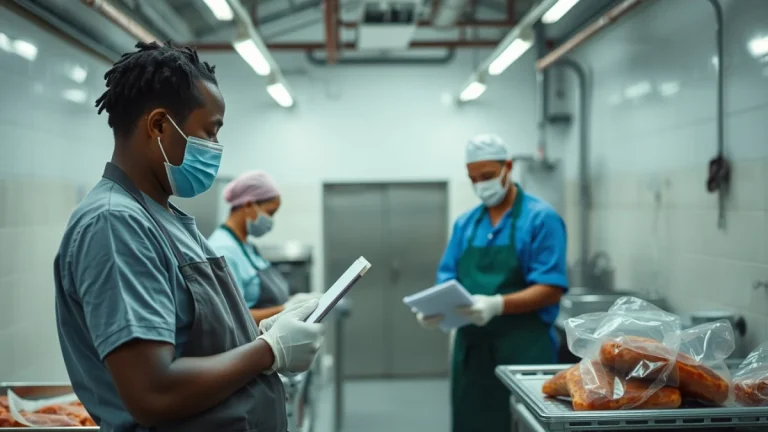
What to Know First About Food Safety
If you’re starting out and want a clear path into food safety, the Free Food Quality Assurance Fundamentals Course with Certificate in South Africa is a practical place to begin. Food safety isn’t just about avoiding illness; it’s about protecting people, products, and reputations in the workplace. This free beginner food quality assurance course South Africa offers is designed to give you hands-on knowledge that matches real work conditions.

Many new learners feel overwhelmed by the jargon and regulations involved in food safety work. You might already sense the pressure in a food production team: one missed step could mean wasted stock or a customer complaint. That’s why this course breaks things down into small, manageable concepts while addressing South Africa’s specific food quality rules.
The Core of Food Safety: What It Really Means
At its core, food safety is about managing risks that affect food quality and health. This includes everything from how food is sourced, prepared, packed, stored, and transported. The aim is simple: prevent contamination, spoilage, and hazards that can harm consumers or your business.
- Food Quality Assurance (QA) is a system that checks food against agreed standards at every stage.
- Quality Control (QC)</strong focuses more on testing and inspecting final products.
- South Africa has specific laws and standards, like those from the Department of Health and the South African Bureau of Standards (SABS), that guide food quality.
Understanding this framework early helps clear common confusion, especially about who is responsible for what in a food business.
Step-by-Step: How to Start Learning Food Safety Fundamentals
1. Get a solid basic overview
This means knowing key terms, the role of QA in the food chain, and why it matters. The course covers this in detail with practical quizzes to test your knowledge.
2. Learn local and international standards
Food laws differ across countries, and South Africa has its own important compliance rules. Knowing these helps you stay on the right side of regulations and keeps food safe for consumers.
3. Understand food quality management systems (QMS)
These are structured approaches businesses use to manage quality daily. You’ll learn what a QMS involves and how to help implement one in your workplace.
4. Explore hands-on quality control techniques
Learning how to check food manually or with tools is vital. This course explains how to record and report results properly—skills often skipped but key to traceability.
5. Identify and manage risks
Food hazards can come from many sources like pests, contamination, or mishandling. You’ll practice spotting risks and applying straightforward steps to control them.
6. Follow hygiene and sanitation rules
Simple hygiene routines are some of the most powerful food safety tools, yet beginners often underestimate their importance. Knowing exactly what to clean, when, and how protects food quality massively.
7. Know how audits and documentation work
Quality records back up your work and audits check these systems. Accuracy here can make or break compliance, so it’s good to get familiar early.
Skills and Requirements for Beginners in Food Safety
- Attention to detail: Missing small faults can cause big problems later.
- Basic science understanding: Why bacteria grow and what affects food spoilage.
- Record keeping ability: Writing things down properly to track quality.
- Following procedures: OSH and hygiene rules must be clear and followed exactly.
- Communication: You must report issues clearly and work well with suppliers and colleagues.
Many beginners worry they lack prior food or science experience. The truth is, these can be learned along the way with good training like this free food quality assurance fundamentals training South Africa provides.
Common Beginner Mistakes and How to Avoid Them
Thinking QA starts only when food is packaged
Many assume food safety checks happen just at the end. Actually, quality assurance covers every step from farm to fork. Overlooking early stages increases risks drastically.
Ignoring documentation
Failing to record checks properly is a hidden mistake that causes trouble during audits and traceability. Keeping neat, accurate records should never be skipped.
Underestimating hygiene routines
Some beginners think cleaning is obvious and lose focus on details like personal hygiene or tool sanitation. These areas cause most cross-contamination incidents.
Not asking questions or reporting problems
Newcomers sometimes hesitate to flag concerns, fearing they’ll look incompetent. The reality is that early reporting is essential to fix issues before they grow.
Realistic Expectations: What Food Safety Work Actually Feels Like
Food quality assurance isn’t glamorous or always exciting. It’s steady, sometimes repetitive work that requires discipline and focus. You might find the paperwork tedious or get frustrated dealing with strict rules.
But the payoff is knowing you help keep food safe for thousands in South Africa. You become part of a team focused on practical problem-solving, often under deadline pressure or with occasional equipment hiccups.
Most learners find they must build confidence by doing, not just reading. Mistakes are part of the process; the key is learning to catch and fix them fast.
Building Confidence: You Can Learn Food Safety Fundamentals
The right starting course can make all the difference. Pick one that uses clear examples, South African contexts, and interactive quizzes. A course like EduCourse’s free online food quality assurance course with certificate South Africa is designed for beginners, making the learning easier and clearer.
Keep in mind: expertise grows from simple, repeated good practices, not rushing. This course offers a safe space to make mistakes, ask questions, and build your skills step by step.
Practical Action Checklist for Beginners
- Start with an overview of South African food safety laws and standards.
- Learn key food quality terms and why each step in the supply chain matters.
- Practice hygiene and sanitation routines carefully.
- Take notes and keep thorough records of quality checks.
- Ask supervisors or colleagues when unsure about procedures.
- Understand basic risk identification and hazard controls.
- Prepare for audits by regularly reviewing documentation.
- Commit to continuous improvement—even small fixes count.