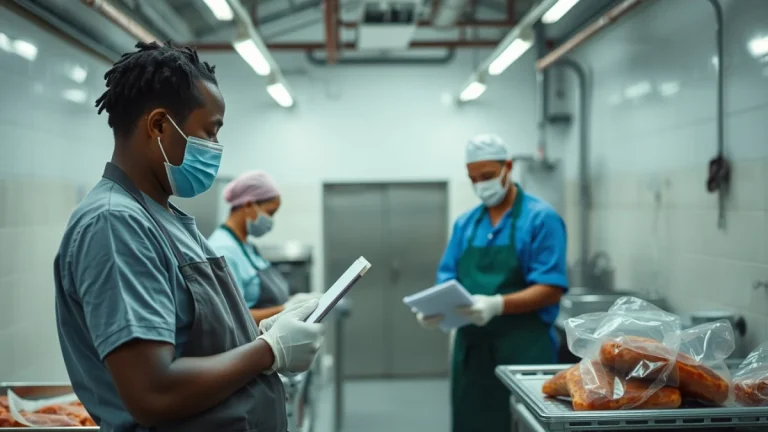
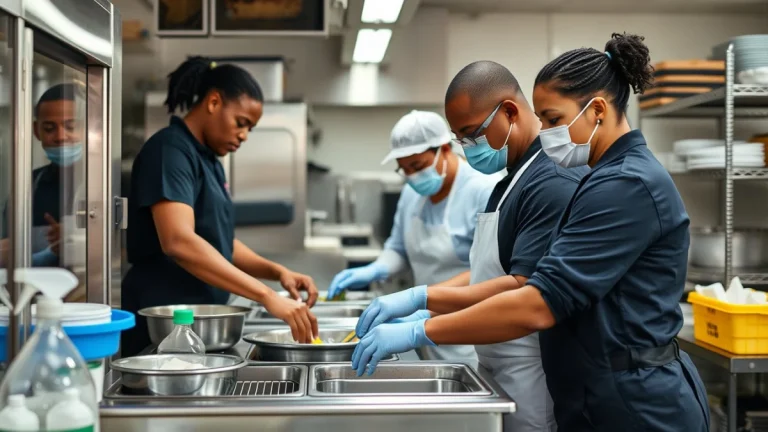
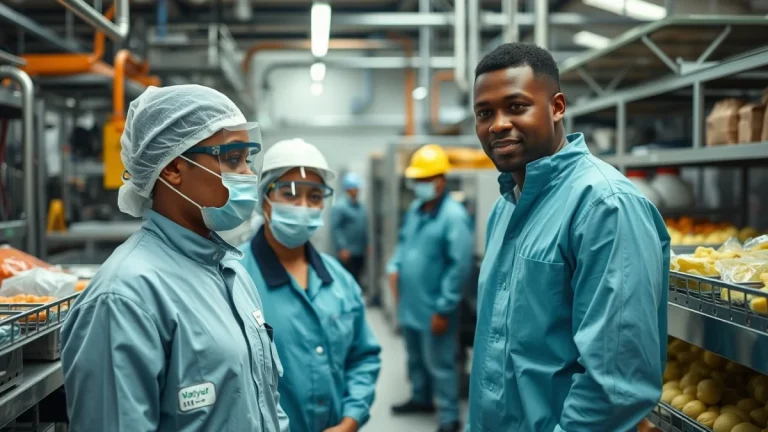
How Food Manufacturing Works: From Raw Ingredients to Finished Products
If you’re looking for a free food manufacturing fundamentals course with certificate in South Africa, understanding the food manufacturing process step-by-step is a great place to start. Food manufacturing covers everything from sourcing raw materials to packaging finished products safely and efficiently. It’s about turning basic ingredients into food items you find on supermarket shelves—all under strict rules to keep food safe and tasty.
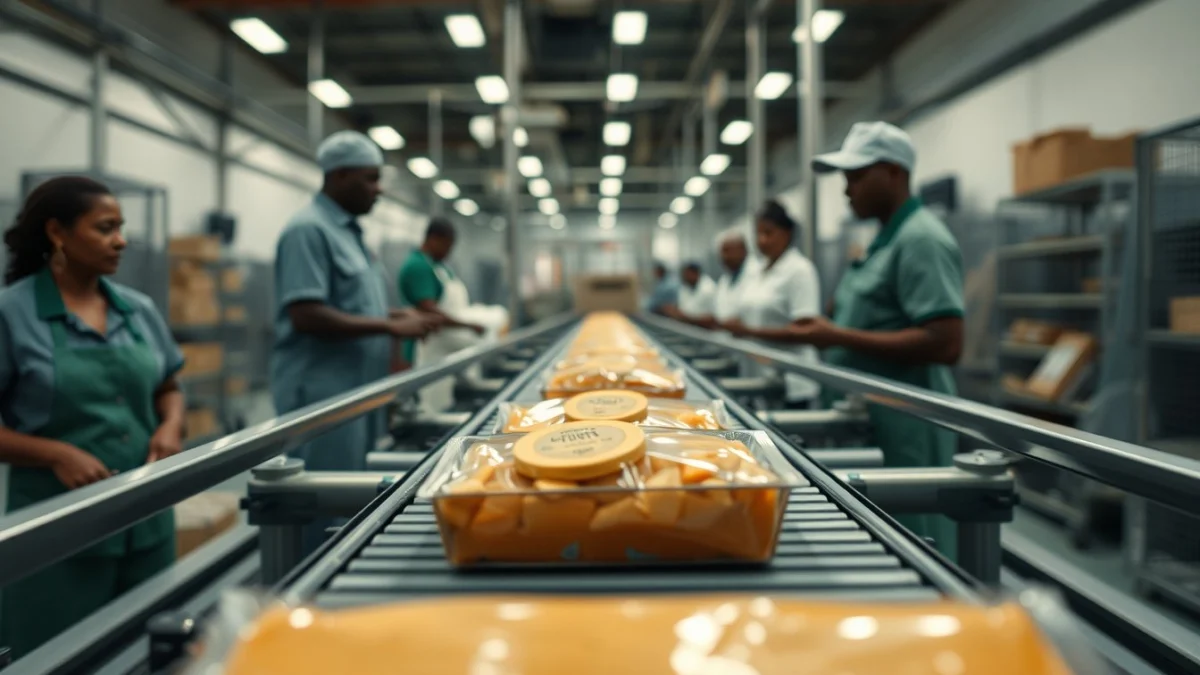
Many beginners jump straight into learning terms or rules but miss what food manufacturing feels like on the factory floor. Imagine rushing to check that raw materials passed inspection while keeping the production line moving—any slip-up can cause delays or spoil the product. That’s the reality in South African factories, where pressure to meet safety laws and keep quality high often clashes with tight schedules and resource limits.
What Food Manufacturing Really Means
Food manufacturing is the full journey food takes from raw ingredients to packaged items ready for sale. It includes several steps:
- Sourcing: Finding and checking raw materials like grains or vegetables for quality and safety.
- Processing: Using various methods—like cooking, mixing, or packaging—to transform raw materials into food products.
- Quality Control: Testing products regularly to ensure they meet safety and quality standards.
- Packaging and Labelling: Protecting food with safe packaging and providing accurate information for consumers.
- Storage and Distribution: Keeping food at the right temperatures and conditions until it reaches stores.
This process isn’t just about machines and recipes. It involves strict adherence to South African food safety laws, hygiene rules, and workplace safety procedures. Every step affects whether food is safe to eat and meets consumer expectations.
Why Food Manufacturing Matters for Your Job or Business
Whether you want to work in a factory, start your own food business, or improve existing skills, knowing how food manufacturing works is vital. Here’s why:
- Workplace Reality: Most South African food factories demand strict hygiene and safety, so understanding these fundamentals helps you avoid costly mistakes.
- Preventing Common Errors: New workers often underestimate the importance of personal and workplace hygiene, causing cross-contamination risks.
- Regulatory Compliance: Food safety laws are clear but detailed. Missing a simple label requirement or hygiene step can lead to fines or product recalls.
- Quality and Customer Trust: Consistency in food quality safeguards a brand’s reputation, which is essential in today’s competitive market.
For instance, it’s common for new workers to rush through ingredient checks or packaging without proper cleaning, not realising one small contamination can shut down production. This shows the gap between textbook knowledge and working under pressure.
Main Steps in Food Manufacturing You Should Know
1. Introduction to the Food Industry and Terminology
You start by learning key industry terms and why food safety and quality are non-negotiable. In South Africa, food manufacturing spans many sectors—from bakery products to beverages—each with unique challenges but common safety needs.
2. Food Safety Regulations and Compliance
South African food safety laws govern how products must be made and handled. Compliance includes keeping records, understanding inspection requirements, and knowing the legal duties of every worker.
3. Hygiene: Personal and Workplace
This area prevents contamination. Proper handwashing, wearing protective clothes, and keeping equipment clean are basics that workers sometimes overlook in busy shifts. Not following hygiene rules risks contamination, recalls, or illness.
4. Raw Materials Handling
Selecting, inspecting, and storing raw materials properly is critical. For example, failing to store ingredients at correct temperatures can cause spoilage early in production, wasting time and money.
5. Food Processing Methods and Equipment
Processing can involve heating, cooling, drying, or mixing. Each method needs careful control to keep food safe. Machines used must be cleaned and maintained regularly to avoid breakdowns or contamination.
6. Quality Control and Assurance
Testing samples and keeping accurate records ensure only safe products leave the factory. Documentation also helps quickly identify and correct problems before they escalate.
7. Packaging and Labelling
Packaging protects the food, while labelling provides important info like ingredients and expiry dates. Workers must know packaging materials and labelling laws to avoid misleading customers or spoiling products.
8. Storage, Distribution, and Transportation
Finished products need the right storage conditions and must be transported without damage or contamination. Traceability during distribution helps manage recalls or customer complaints efficiently.
9. Workplace Safety and Risk Management
Food manufacturing involves hazards like slippery floors and heavy machinery. Wearing PPE and following emergency plans help prevent accidents that can delay production.
10. Practical Applications and Continuous Improvement
Finally, companies expect ongoing training and teamwork to maintain standards and prepare for food safety audits. This culture improves production quality and workplace morale.
A Real Workplace Example: What Food Manufacturing Looks Like Day to Day
Imagine starting a shift at a midsize food plant in Johannesburg. First, you check your hairnet, gloves, and apron—any skin exposed could contaminate food. You then inspect incoming raw materials with the stock team, watching for signs of spoilage or damage.
Next comes supervising the mixing station. You ensure machines operate at the correct speed and temperature. Suddenly, a coworker spots a spill—immediate cleanup is required to avoid slip hazards and product contamination. Meanwhile, your supervisor reminds the team about an upcoming audit, increasing pressure to stay compliant.
Throughout the shift, you keep an eye on labelling accuracy, confirm packaging integrity, and record quality test results. Near the end of the day, you help load finished products into refrigerated trucks, ensuring safe transport. Days like this highlight the many small but vital tasks that keep everything running smoothly.
Beginners’ Common Mistakes in Food Manufacturing
- Mistake: Skipping hygiene steps to save time.
- Why it Happens: Pressure to meet production targets.
- Consequence: Increased risk of contamination, product recalls, or health issues.
- How to Fix: Prioritise hygiene as non-negotiable; supervisors should enforce proper procedures strictly.
- Mistake: Ignoring documentation requirements.
- Why it Happens: Lack of awareness or feeling it’s “just paperwork”.
- Consequence: Difficulty tracking quality issues, failing audits, or legal troubles.
- How to Fix: Understand that records protect both the business and workers; complete records accurately and on time.
FAQs About Food Manufacturing Basics
What does food manufacturing involve in simple terms?
Why is personal hygiene so important in food manufacturing?
What safety laws must food manufacturers in South Africa follow?
How does quality control help in food manufacturing?
Starting Right: Practical Tips for Beginners
- Learn Industry Terms: Understanding basic terms reduces confusion and helps you follow instructions clearly.
- Follow Hygiene Strictly: Don’t cut corners; even small mistakes can shut production lines.
- Keep Good Records: Document your work accurately—it helps catch problems early.
- Ask Questions: If unsure about a process or rule, ask a supervisor before proceeding.
- Stay Updated: Food safety laws and practices change—keep learning via free courses available in South Africa.