Food Processing vs Food Manufacturing: What’s the Difference?
If you’re looking for a free food manufacturing fundamentals course with certificate in South Africa, you might have bumped into the terms “food processing” and “food manufacturing.” They often get used interchangeably, but they actually cover different parts of the food industry. Knowing the difference early helps you pick the right course, role, or skill set that fits your career goals.
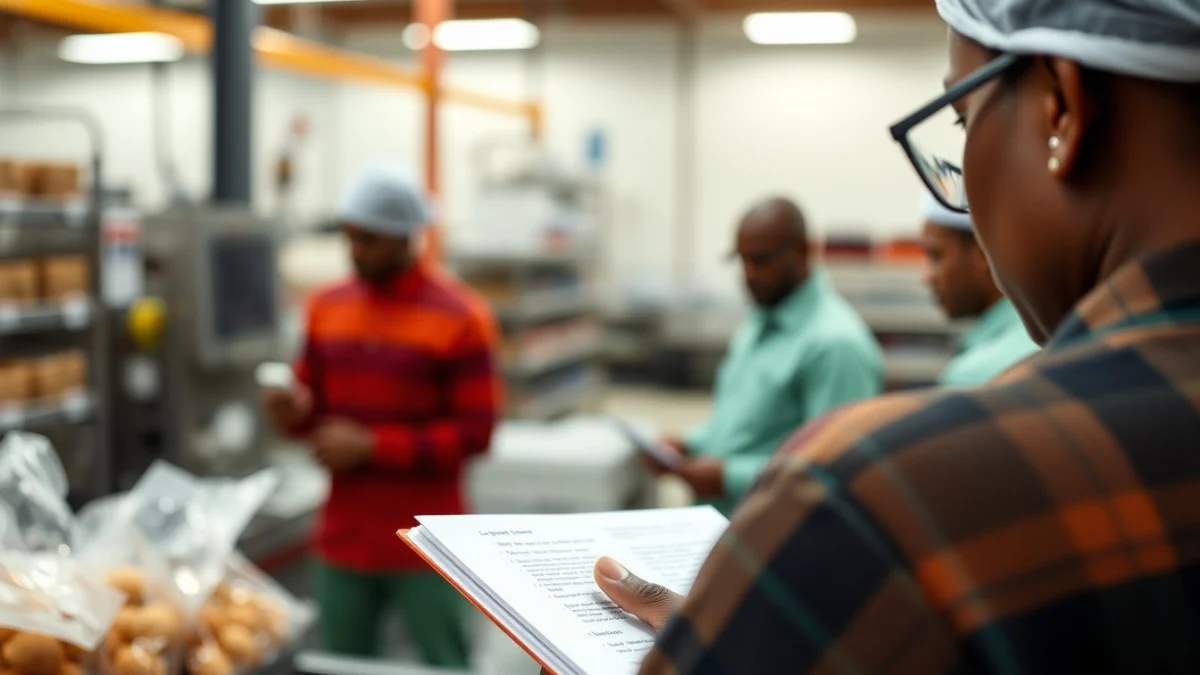
In a South African food factory, it’s common for newbies to confuse these two areas. One day you might be controlling machines making dough; the next, you’re checking hygiene rules and packaging. That split shows why just calling everything “food processing” isn’t clear enough. Let’s unpack these terms properly.
| Aspect | Food Processing | Food Manufacturing |
|---|---|---|
| Scope | Transforming raw ingredients into consumable products | Entire production process including sourcing, processing, packaging, and distribution |
| Typical Activities | Cooking, drying, fermenting, freezing | Raw material handling, quality control, packaging, storage |
| Work Environment | Production floor with processing equipment | Factory floor plus warehouse and logistics areas |
| Skills Needed | Basic equipment operation, food science | Broader safety, quality, compliance, and management skills |
| Entry Difficulty | Relatively easier for beginners | More complex; requires understanding of regulations and wider processes |
The Main Difference You Need to Know
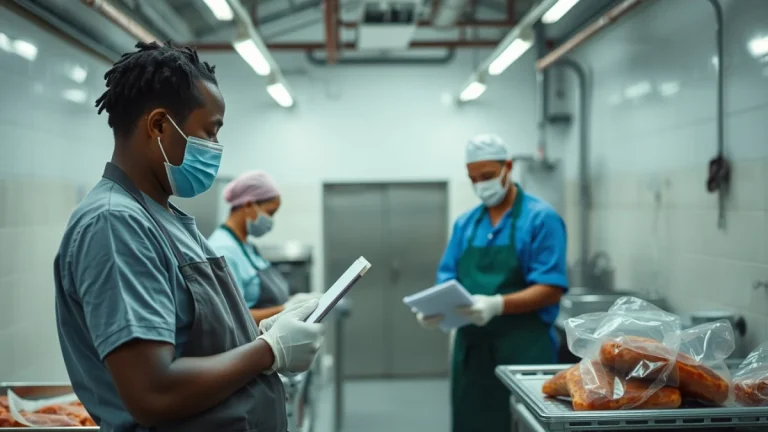
Food processing is one part of the larger food manufacturing chain — it’s all about changing raw ingredients into edible or usable food products. Food manufacturing covers the whole journey, from sourcing those ingredients to getting packed goods ready for market and making sure everything complies with South African food safety laws.
For instance, a worker operating a pasteurizer is involved in food processing. Meanwhile, a supervisor who checks raw material quality, oversees packaging, and manages hygiene standards is working in food manufacturing. The latter demands a mix of technical and legal knowledge, something new learners often overlook.
Differences in Duties and Responsibilities
Food Processing Duties
- Operating machines that cook, freeze, ferment, or otherwise alter food.
- Monitoring temperatures and processing times precisely to avoid spoilage.
- Applying basic quality checks during production.
- Following instructions on recipes or production schedules.
Food Manufacturing Duties
- Managing supply chains for raw materials with traceability controls.
- Ensuring compliance with South African food safety regulations.
- Leading quality assurance with documented sampling and testing.
- Overseeing packaging, labelling, storage, and distribution.
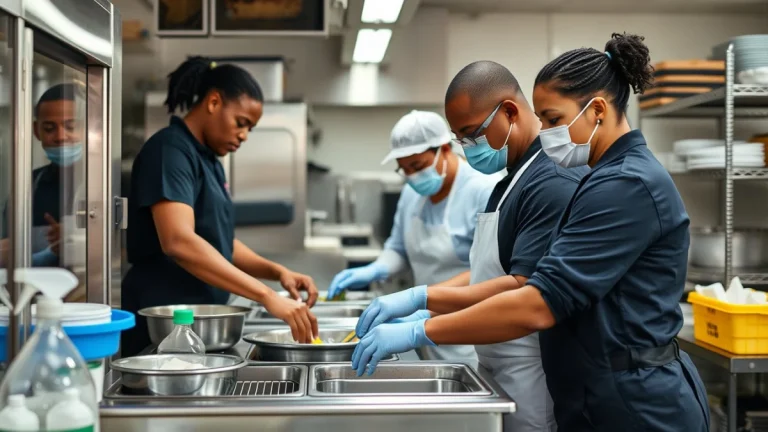
- Training staff on hygiene and workplace safety procedures.
It’s easy for a beginner to think working on production machinery is the full job. The hidden challenge is understanding how all these steps connect safely and legally — a big part of food manufacturing.
Tools and Equipment Used
Food processing mainly revolves around specific equipment like ovens, blenders, pasteurisers, dryers, and coolers. Workers here spend most of their shift monitoring or maintaining this gear.
By contrast, food manufacturing roles also involve quality testing kits, packaging machines, labelling software, and storage facilities. Plus, they require documentation tools to keep records for compliance inspections — an often overlooked but critical step that can make or break a product’s legality in South Africa.
Skill Levels and Workplace Environment
Processing tasks tend to be more repetitive and equipment-focused, so beginners can get trained relatively quickly. However, some skills like temperature control and contamination prevention require strict attention to detail.
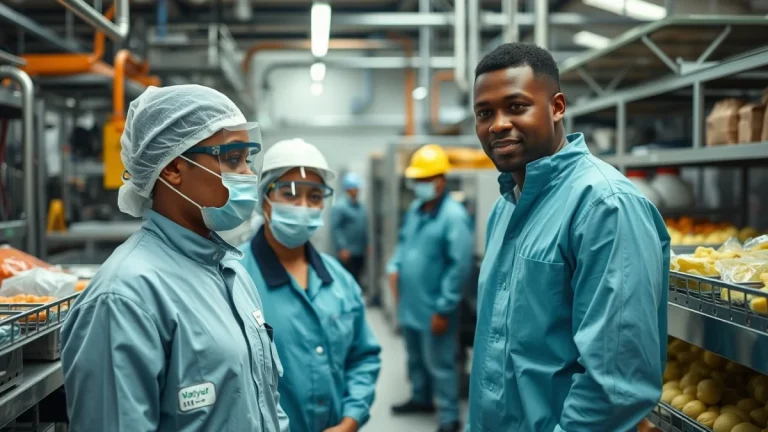
Manufacturing jobs demand broader skills, including understanding local food laws, risk management, and teamwork across departments. They also involve more paperwork and audits — non-negotiable in the South African food industry, where compliance failures can lead to fines or product recalls.
Pros and Cons: Food Processing vs Food Manufacturing
| Aspect | Food Processing | Food Manufacturing |
|---|---|---|
| Pros |
|
|
| Cons |
|
|
Which Is Better for Beginners?
For those just starting, a free beginner food manufacturing fundamentals course in South Africa often focuses on manufacturing as a whole. This gives learners the practical skills they need—from food safety and hygiene to raw material handling, processing basics, and workplace safety. It also prepares you better for real workplace challenges beyond just running machines.
A pure food processing path can feel easier upfront, but without broader knowledge, you risk getting stuck in repetitive roles with limited growth. South African employers increasingly want workers who understand food safety laws and quality assurance. That’s where the extra effort in food manufacturing training pays off.
Common Misconceptions and What Beginners Get Wrong
Many beginners think food processing means the whole manufacturing chain. This leads them to overlook important parts like packaging safety or compliance checks. In reality, skipping these steps can cause contamination or legal issues. For example, failing to correctly label a product can lead to fines and damaged reputation.
Another overlooked fact is record-keeping. Beginners often underestimate how detailed documentation supports audits and quality control. Treating this lightly can result in production hold-ups and loss of customer trust.