Why Take a Free Food Manufacturing Fundamentals Course with Certificate in South Africa?
Starting out in food manufacturing can feel overwhelming. You’re learning industry terms, grappling with safety rules, and trying to keep up with hygiene standards — all while the clock is ticking in a busy factory or kitchen. A free food manufacturing fundamentals course with certificate in South Africa helps you cut through the confusion quickly. It gets you practical know-how that applies right away, with a certificate to show for it. Many beginners assume food manufacturing is just about following recipes or packing food. But it’s much more: controlling risk, maintaining safety standards, handling raw materials properly, and ensuring quality every step of the way. Without a solid grounding, mistakes can easily happen — like ignoring a temperature rule or mishandling packaging — which lead to product spoilage or legal issues. Having formal, practical training stops you making those costly errors. This course specifically targets learners in South Africa, covering local laws, food safety practices, workplace realities, and typical tasks you’ll face day to day. It’s bite-sized and designed for quick online study, so you can fit it around your schedule. The certificate you earn confirms your grasp of crucial skills, giving you confidence and an edge if you’re applying for food production roles.
What You Gain from a Food Manufacturing Fundamentals Online Course Free South Africa
Taking an online free food manufacturing fundamentals course in South Africa means you get:
- Clear understanding of industry basics: What food manufacturing involves, common terminology, and how the sector works within South Africa.
- Knowledge of food safety laws and compliance: What the Food Act requires, manufacturer responsibilities, and how audits work.
- Practical hygiene and contamination prevention skills: Personal hygiene standards, workplace cleaning, and how to avoid cross-contamination.
- Raw material handling and traceability: How to inspect, store, and track ingredients safely to prevent unsafe products.
- Food processing essentials: Key methods, equipment use, and controlling safety parameters during manufacturing.
- Quality assurance practices: Testing, sampling, documentation, and spotting problems early.
- Packaging and labelling knowledge: Safe materials, labelling legal requirements, and packaging hygiene.
- Storage, distribution, and transportation safety: Maintaining product quality from factory to store shelf.
- Workplace safety and emergency procedures: Identifying hazards, using PPE correctly, and handling incidents.
- Applying fundamentals in the real world: How to implement protocols, train staff, and prepare for food safety audits.
A course like this bridges the gap between textbook knowledge and what actually happens in a South African food processing workplace. It addresses everyday pressures, like meeting deadlines while staying compliant, and reduces common beginner slips such as skipping handwashing or mislabeled packaging.
How This Course Supports Your Food Manufacturing Career
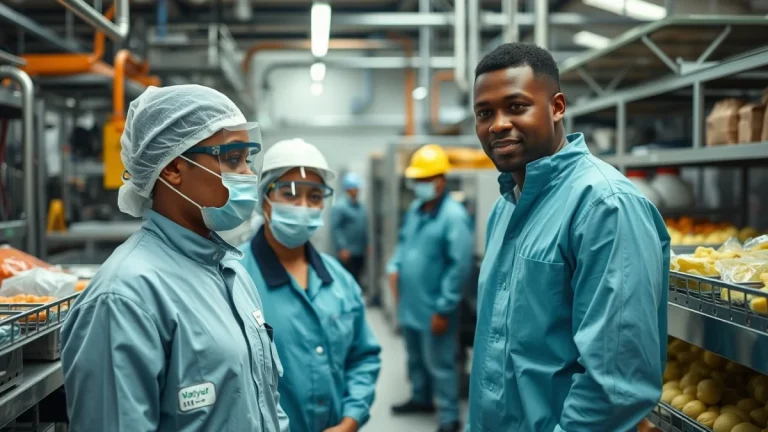
In actual workplaces, food manufacturing tasks aren’t just theoretical. Picture a busy line packing snacks: the team must monitor temperatures, record batch numbers, wear PPE, avoid cross-contamination, and handle ingredients correctly — all under time pressure. People new to the field often underestimate how strict and detailed food safety rules are. They might think “the food looks fine” is enough to pass inspection or skip steps to move faster. But this risks product spoilage, legal fines, or worse, foodborne illness outbreaks. Completing a free beginner food manufacturing fundamentals course with certificate in South Africa helps you understand the “why” behind each rule. It shows you how to follow processes correctly without cutting corners. Your certificate also proves to employers you have baseline workplace skills in the sector — often a requirement before working on production lines.
Practical skills like traceability, contamination control, and record keeping are often overlooked but heavily impact food safety and business reputation — and you learn these carefully in the course.

Common Beginner Mistakes in Food Manufacturing and How to Avoid Them
- Ignoring hygiene protocols: Forgetting to wash hands properly or not wearing protective clothing. Fix this by following the exact hygiene steps taught and staying consistent.
- Misunderstanding compliance requirements: Thinking meeting minimum standards is enough or not knowing local food laws. Learn South Africa-specific laws clearly to avoid fines.
- Poor ingredient storage: Leaving perishables at wrong temperatures causing spoilage. Know storage rules and monitor conditions regularly.
- Skipping quality control checks: Missing sampling or documentation steps, leading to unsafe products reaching consumers. Always follow testing procedures.
- Overlooking packaging and labelling rules: Using incorrect labels or unsafe materials. Understand labelling laws and packaging hygiene.
These mistakes usually happen because beginners focus only on speed or feel unsure of the details. Taking a structured, free food manufacturing fundamentals skills course in South Africa prevents these errors upfront.
Practical Example: What Day-to-Day Learning Looks Like
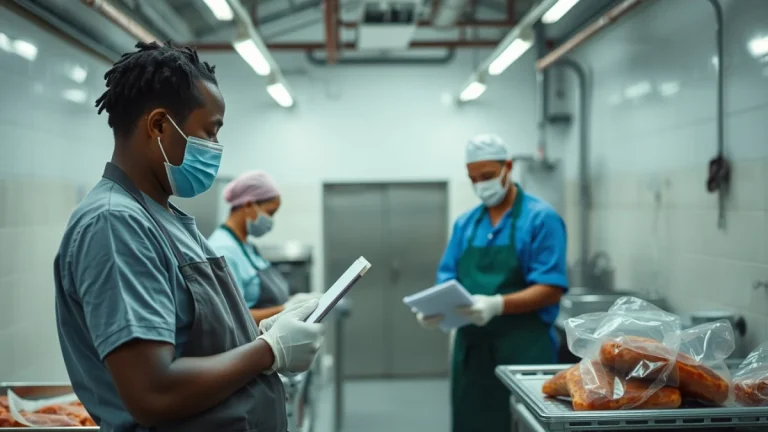
Imagine your first week in a food factory. Your team prepares to produce a batch of chicken pies. Before starting, you check the ingredients’ expiry dates and storage temperatures. You wear clean overalls, gloves, and a hairnet, washing your hands thoroughly. You monitor the oven temperature, record these readings, and inspect the final pies for uniformity. After packing, you confirm labels include the right dates and allergen info. You store the pies properly and prepare the paperwork for transport. Throughout the shift, you note any deviations and report them immediately to supervisors. This practical flow is exactly what the course teaches — making sure you can meet real workplace expectations safely and efficiently.
Advice for Beginners Starting Food Manufacturing Training
Focus on Core Safety and Compliance First
Don’t rush to learn everything at once. Start with hygiene and food safety rules; these protect you, your team, and consumers.
Ask Questions and Practice Daily
If something isn’t clear—like how to handle certain raw materials—ask your trainer or senior staff. Practice steps like handwashing or record-keeping until they feel automatic.
Use Your Certificate to Build Confidence
Even if you’re new, showing your free food manufacturing fundamentals certificate in South Africa proves you’re serious about learning the right way.
Stay Updated on Local Regulations
Food laws can change. Use trusted sources or refresher courses to keep your knowledge fresh.