
Understanding Petrol Stations in South Africa
How Petrol Stations Work in South Africa
Understanding Petrol Stations in South Africa is important for anyone starting as a petrol attendant. Petrol stations provide fuel for vehicles and a range of related services. They play a key role in daily transport and business activities across the country.
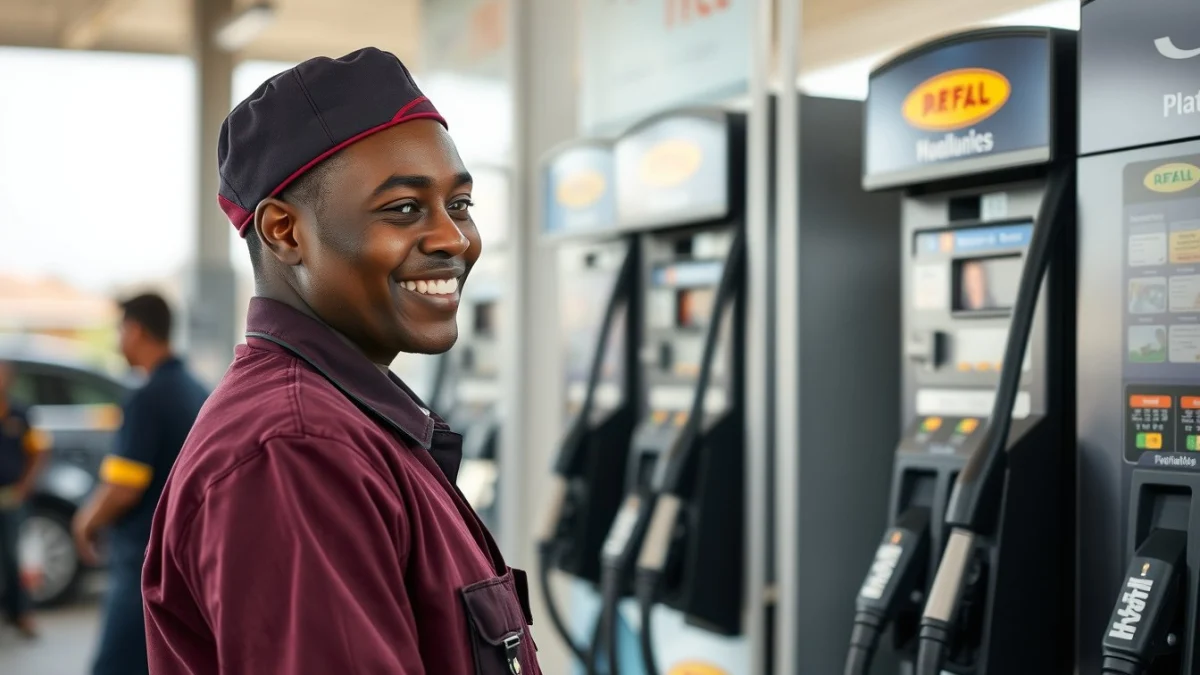
Most petrol stations in South Africa sell different types of fuel. The common ones are petrol (often called unleaded), diesel, and sometimes LPG (liquefied petroleum gas). The fuel must meet safety and quality standards set by the South African government to protect vehicles and the environment.
Petrol stations have pumps where customers fill their vehicles. As a petrol attendant, you will help customers use these pumps safely and efficiently. You must also know how to handle payments, either in cash or by card.
Besides selling fuel, many petrol stations offer other services. These can include a small shop or convenience store, air for tyres, car wash facilities, and restrooms. Sometimes, petrol stations partner with fast-food outlets or coffee shops.
Key Duties of a Petrol Attendant
- Assist customers with pumping fuel safely
- Check fuel type and quantity for each vehicle
- Handle payments and issue receipts
- Maintain cleanliness around the pumps and shop area
- Monitor stock levels and report shortages
- Follow health and safety rules to prevent accidents
- Provide friendly and helpful customer service
Petrol stations in South Africa must follow rules from authorities like the Department of Energy. These rules cover fuel quality, pricing, and safety measures. Prices can change based on global oil costs and government taxes.
Working at a petrol station also means understanding common hazards. Fuel is flammable and can cause accidents if not handled properly. You must always follow safety procedures, such as no smoking near pumps and cleaning up any spills quickly.
In summary, petrol stations are more than just places to buy fuel. They are service points that support safe and efficient travel. Understanding how they operate and what your role as a petrol attendant involves will prepare you to work confidently and professionally in the field.
Live Scenario • Active Situation
You are a petrol attendant starting your shift at a busy South African petrol station.
There is no single perfect answer. Choose what you would do in this situation.
