
Using Payment Terminals and Cash Registers
Using payment terminals and cash registers is an important skill for any petrol attendant. These tools help you process payments quickly and safely, making sure customers pay correctly and you manage cash properly.
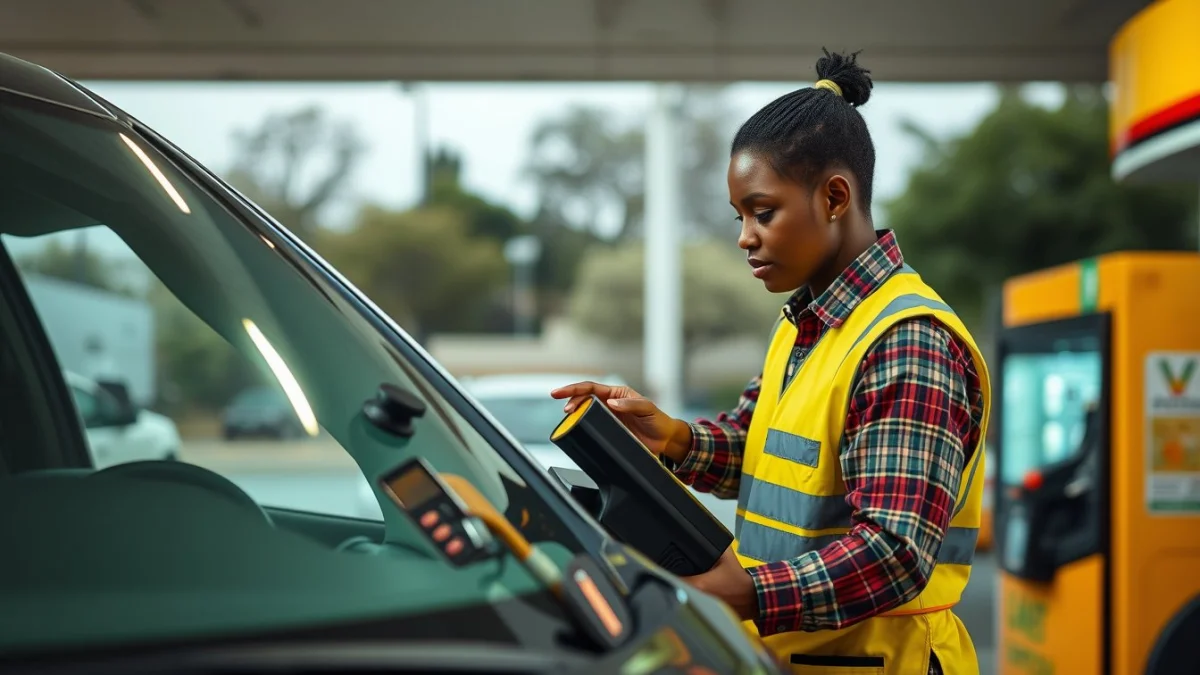
How to Handle Payments with Terminals and Registers
First, it’s important to know the steps for using a payment terminal. When a customer wants to pay with a card, you will:
- Enter the total amount of the sale on the cash register.
- Ask the customer to swipe, insert, or tap their card on the payment terminal.
- Wait for the terminal to process the payment and show approval or decline.
- Give the customer their receipt and confirm the payment was successful.
Payment terminals accept different card types such as debit, credit, and contactless payments. Always check that the card matches the type accepted at your station.
When handling cash payments with a cash register, follow these steps:
- Enter the amount received from the customer into the register.
- Calculate the correct change if needed and give this back to the customer.
- Place the cash received securely inside the cash register drawer.
- Print or give the customer a receipt if requested.
Tips for Accurate Payment Handling
- Always double-check the amount entered on the register before processing.
- Count the cash in front of the customer to avoid errors.
- Keep the cash register drawer closed and locked when not in use.
- Follow company procedures for handling differences or errors.
- Be polite and clear when explaining the payment process to customers.
Learning to use both payment terminals and cash registers correctly will improve your speed and accuracy during busy times. It also reduces mistakes and helps prevent theft or loss of money.
In case a payment terminal is not working, always have a backup plan like accepting cash or offering alternative payment methods. Inform your supervisor immediately if any equipment breaks down.
Remember: Good cash management means balancing your cash register at the start and end of your shift. This includes counting the money in the till, matching it to transaction records, and reporting any discrepancies.
By mastering using payment terminals and cash registers, you provide excellent service and ensure smooth payment handling at your petrol station.
Live Scenario • Active Situation
You are a petrol attendant managing payments at a busy service station.
There is no single perfect answer. Choose what you would do in this situation.
