
Hazard Identification and Risk Minimisation
How Hazard Identification and Risk Minimisation Keep Petrol Stations Safe
Hazard Identification and Risk Minimisation are very important at petrol stations. These processes help petrol attendants and employers find dangers and reduce the chance of accidents. This keeps everyone safe, including workers and customers.
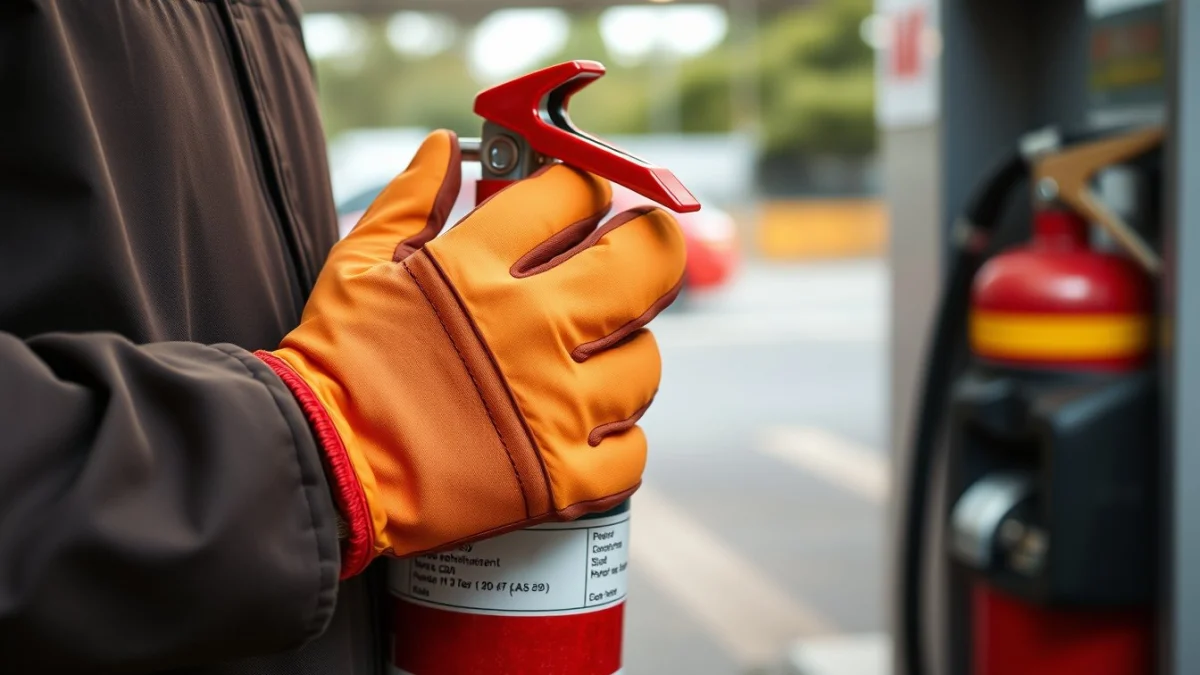
First, hazard identification means looking for anything that could cause harm. At a petrol station, hazards might include spills of fuel, faulty equipment, open flames, slips, trips and falls, or even theft and violence. Spotting hazards early helps stop accidents before they happen.
Common Hazards at Petrol Stations
- Fuel leaks and spills
- Static electricity causing sparks
- Fire from cigarettes or matches
- Slippery floors
- Moving vehicles in busy areas
- Faulty pumps or electrical equipment
After hazards are identified, risk minimisation comes next. This means finding ways to lower the chance these hazards cause harm.
Steps to minimise risks include:
- Keeping the area clean and dry to prevent slips.
- Maintaining all equipment regularly to avoid leaks and electrical faults.
- Using proper signs to warn about dangers, like “No Smoking” signs.
- Training all petrol attendants on safety rules and emergency procedures.
- Providing proper personal protective equipment (PPE) like gloves and safety shoes.
- Ensuring good lighting so hazards are easy to see.
Everyone at the petrol station must follow safety rules and report hazards immediately. Quick action helps lower risks and protect lives.
Employers should do regular checks and staff safety training. Petrol attendants should be alert and always ready to act safely.
In conclusion, Hazard Identification and Risk Minimisation help create a safe working space at petrol stations. This reduces accidents, protects workers, and keeps the public safe. Always be aware and follow safety procedures.
Live Scenario • Active Situation
You are a petrol attendant at a busy petrol station.
There is no single perfect answer. Choose what you would do in this situation.
