
First Aid Basics for Petrol Attendants
First Aid Basics for Petrol Attendants are essential to help manage emergencies quickly and safely on site. Petrol attendants work with flammable liquids and vehicles, which makes it important to know how to act during accidents, fires, spills, or injuries.
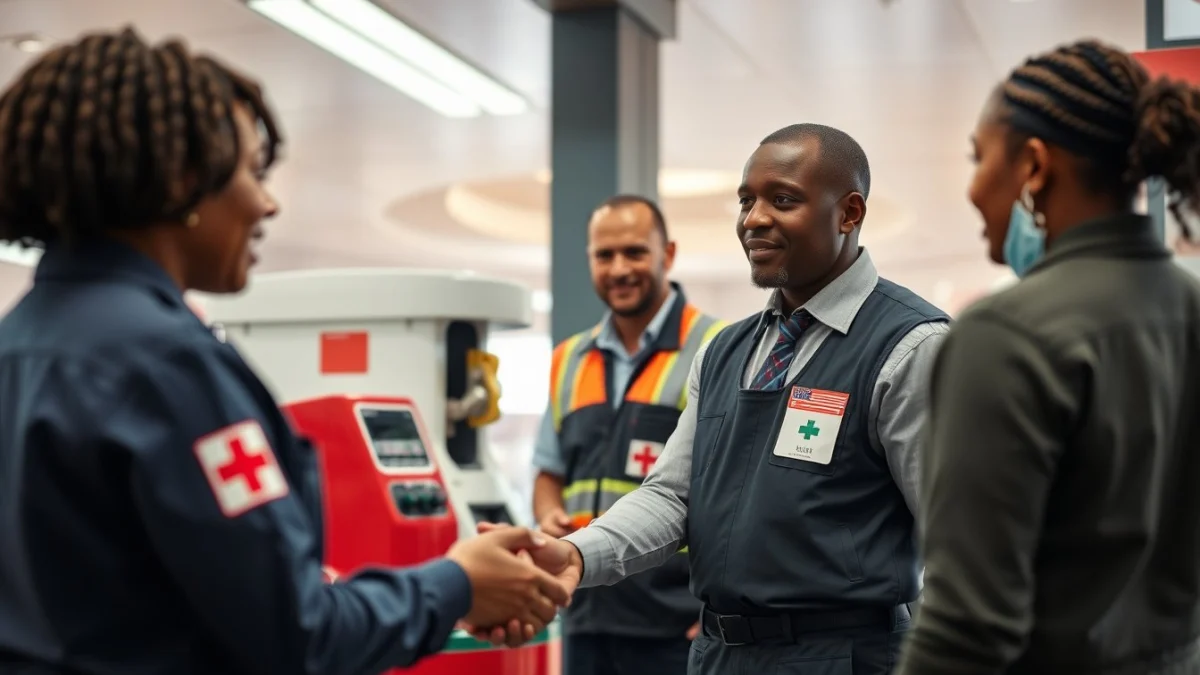
Key First Aid Skills Every Petrol Attendant Should Know
Knowing the right steps to take when someone is hurt or a dangerous situation happens can save lives. Here are the most important first aid basics to learn:
- Assess the Situation
Before helping, make sure the area is safe. Check for fire, spills, or traffic. Only approach if it is safe for you and the victim. - Call for Help
Contact emergency services immediately by dialling 10111 or 112 from a mobile. Give clear details: location, what happened, and number of people hurt. - Stop Any Bleeding
Use clean cloths or your hands if nothing else is available. Press firmly on wounds to control bleeding. Avoid removing large objects stuck in wounds; instead, apply pressure around them. - Check for Breathing
If the person is unconscious, gently tilt their head back to open the airway and listen or feel for breathing. If they are not breathing, perform CPR if trained. - Burn Treatment
Petrol spills can cause burns. Cool the burn area immediately with running cold water for at least 10-20 minutes. Do not use ice or creams. Cover burns with a clean, non-stick cloth to avoid infection. - Handling Petrol Spills and Fire Risks
If petrol spills occur, avoid sparks or flames. Do not use electrical switches. Clear the area and inform management immediately. Use a fire extinguisher if a small fire starts and you are trained to do so. - Keep Victims Calm and Comfortable
Talk calmly to injured people. Keep them warm and still to prevent shock. Do not give them food or drink if they are unconscious or seriously hurt. - Record and Report
After the emergency, write down what happened and what first aid was given. Report this to your manager or health and safety officer for proper follow-up.
These first aid basics will help petrol attendants respond safely to incidents, reduce harm, and support quicker recovery for injured people. Remember, the best first aid is prevention, so always work safely and follow petrol station safety rules.
Live Scenario • Active Situation
You are a petrol attendant at a busy filling station.
There is no single perfect answer. Choose what you would do in this situation.
