
Routine Equipment Inspection
How to Carry Out Routine Equipment Inspection at a Petrol Station
Routine Equipment Inspection is an important task for every petrol attendant. This inspection means regularly checking all the equipment at the station to make sure everything works well and is safe for use. Doing this helps prevent accidents, fixes problems early, and keeps the station clean and organised.
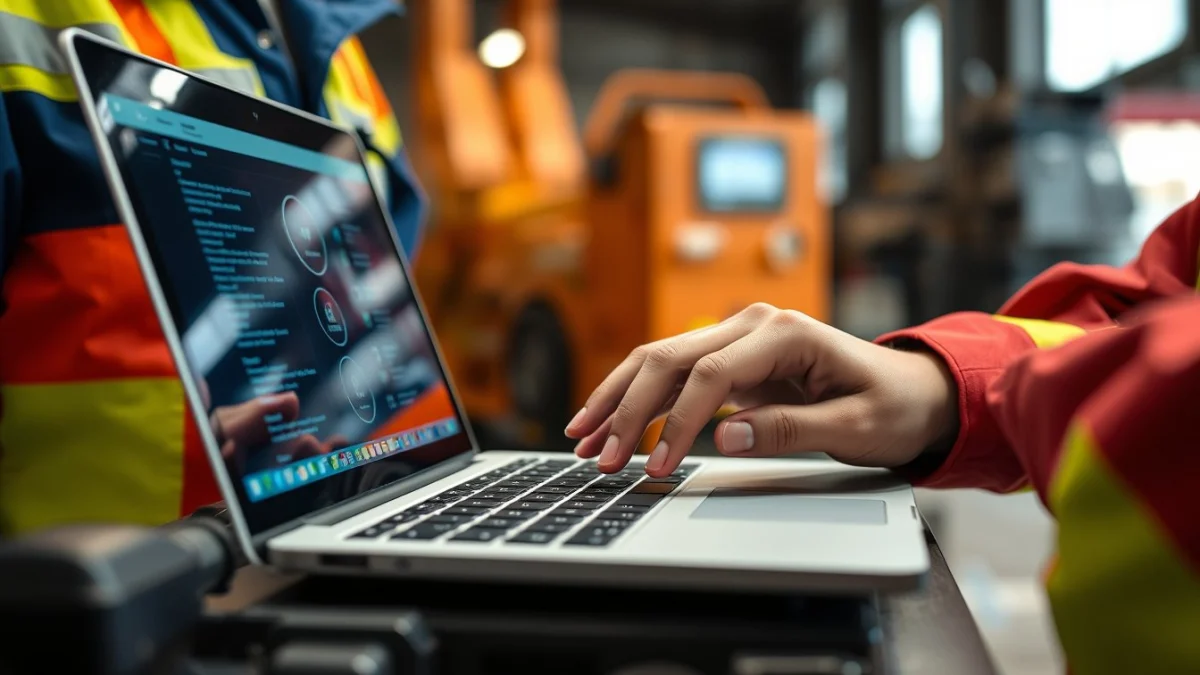
At a petrol station, there are many types of equipment you must inspect regularly. This includes fuel pumps, hoses, nozzles, safety equipment, and payment machines. Each part must be in good condition to keep customers safe and avoid service interruptions.
Here are simple steps you should follow to carry out a good Routine Equipment Inspection:
- Start with a Visual Check: Look closely at the fuel pumps, hoses, and nozzles. Check if there are cracks, leaks, or damage. Report anything unusual immediately to your supervisor.
- Test Safety Features: Make sure emergency stop buttons and fire extinguishers are easy to reach and functional. Test alarms and ensure they work correctly.
- Check Payment Machines: Verify that POS (Point of Sale) systems and card readers are working smoothly. Notify your manager if there are problems with transactions.
- Inspect Cleanliness: Ensure all equipment is clean and free from dust or oil spills. Cleanliness helps avoid damage and keeps the station looking professional.
- Record Your Findings: Always complete an equipment inspection form with notes of what you checked and any issues you found. This record helps track maintenance schedules and repairs.
Doing Routine Equipment Inspection every day or shift is very important. It is a simple way to keep the station safe, serve customers better, and avoid costly repairs later.
Remember, your role as a petrol attendant includes watching over the equipment and reporting problems early. This teamwork keeps the petrol station running smoothly and safely for everyone.
Live Scenario • Active Situation
You are a petrol attendant performing a Routine Equipment Inspection at your petrol station.
There is no single perfect answer. Choose what you would do in this situation.
