
Emergency Response Protocols
How to Follow Emergency Response Protocols at a Petrol Station
Emergency Response Protocols are the specific steps petrol attendants must follow during emergencies. These protocols keep everyone safe and help control the situation quickly and effectively. Knowing and practising these steps prevents accidents from becoming worse.
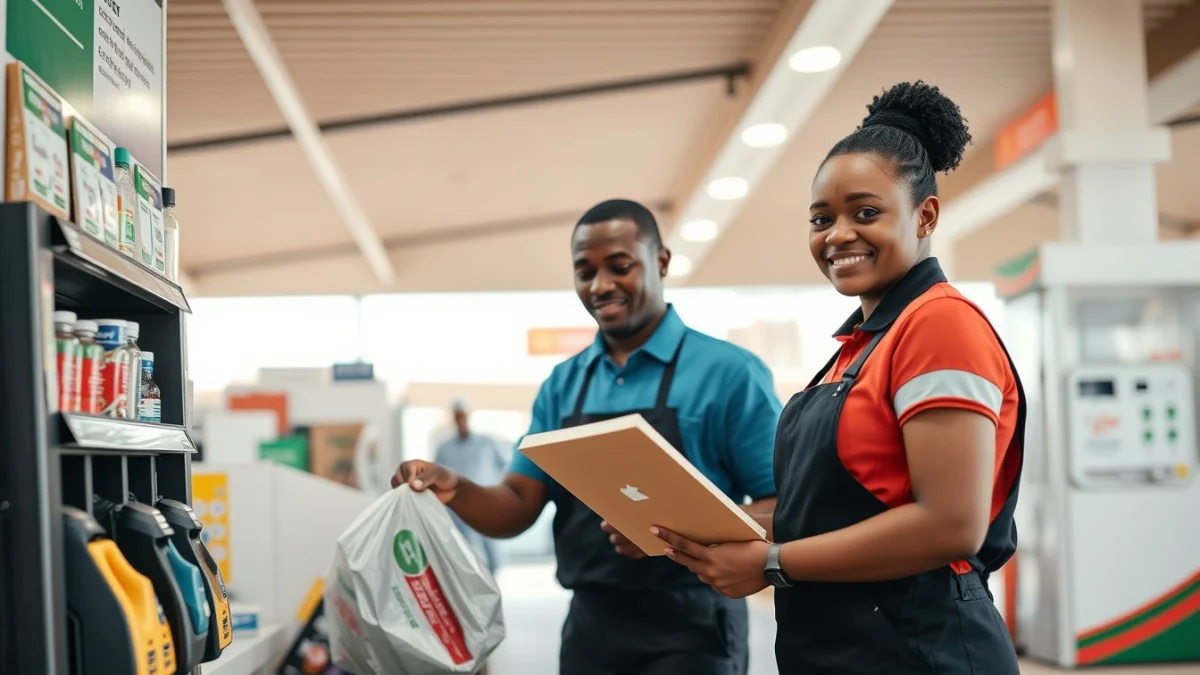
When an emergency happens, your first job is to stay calm. Panicking can slow down your response and put people at risk. Quickly assess the situation to decide what kind of emergency it is. It might be a fire, a fuel spill, or a medical emergency.
Key Steps in Emergency Response Protocols
- Alert others immediately: Use the emergency alarm or call out to warn customers and staff. If needed, call emergency services on 10111.
- Stop all fuel pumps: Switch off any running pumps to prevent fuels from spilling or catching fire.
- Evacuate the area: Calmly guide everyone to the designated safe zones away from the danger.
- Use firefighting equipment: If safe, use fire extinguishers to control small fires. Only try this if you are trained.
- Contain spills: Use spill kits to stop fuel spreading. Wear protective gloves and avoid breathing in fumes.
- Provide first aid: Help any injured people while waiting for emergency responders.
- Report the incident: Once safe, inform your supervisor and complete an incident report.
Remember, each petrol station should have its own detailed Emergency Response Protocols based on its layout and risks. It is important to attend regular training sessions to stay updated and familiar with these steps.
By following Emergency Response Protocols properly, you protect lives, reduce damage, and make sure the emergency is handled in an organised way. Always prioritise safety over property or fuel whenever an incident happens.
Live Scenario • Active Situation
You are a petrol attendant working the afternoon shift at a busy petrol station.
There is no single perfect answer. Choose what you would do in this situation.
