
Common Fuel Types in South Africa
Understanding the Main Fuels You Will Handle
Common Fuel Types in South Africa include petrol, diesel, and liquefied petroleum gas (LPG). As a petrol attendant, it is essential to know these fuels well, how they are used, and handled safely. This helps you serve customers correctly and work safely on the forecourt.
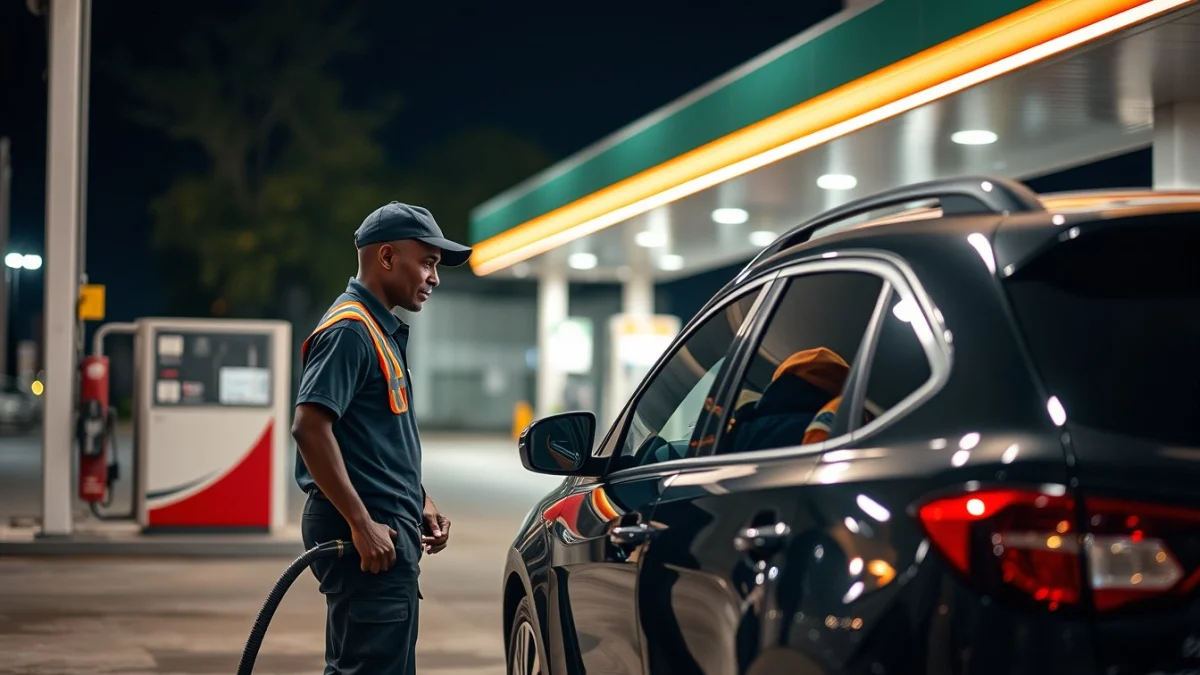
Petrol is the most widely used fuel for cars and light vehicles in South Africa. It comes in different grades such as 93 (regular) and 95 (premium). Petrol is highly flammable, so keeping it away from sparks or open flames is critical.
Diesel is mostly used for bigger vehicles like trucks, buses, and some cars. It burns slower than petrol and has different handling requirements. Diesel is less flammable but still needs to be handled cautiously to avoid spills and contamination.
Liquefied Petroleum Gas (LPG) is used in some vehicles as an alternative fuel. It is stored as liquid under pressure but turns into gas when released. LPG is highly flammable and requires special pumps and storage tanks at filling stations.
Key Points About Each Fuel Type
- Petrol: Clear or slightly yellow liquid, evaporates quickly, vapours ignite easily.
- Diesel: Oily liquid, less volatile than petrol, it is thicker and smells different.
- LPG: Stored under pressure, colourless gas when released, needs special handling equipment.
Knowing these common fuel types will help you identify each quickly and reduce accidents. Always check the pump labels carefully before filling any vehicle. This avoids putting the wrong fuel in a customer’s car.
Besides identification, understanding safe handling procedures for each fuel type is important. This includes wearing the correct protective clothing, avoiding using mobile phones near fuel pumps, and reporting any spills immediately.
By learning about the common fuel types in South Africa, you ensure safety on the forecourt and provide better service. Always keep updated with your training and follow company safety rules strictly.
Live Scenario • Active Situation
You are a petrol attendant at a busy South African filling station, handling various fuel types safely to serve customers.
There is no single perfect answer. Choose what you would do in this situation.
