
Factors Influencing Fire Spread
Key Elements That Affect How Fires Spread
Factors Influencing Fire Spread are important to understand because they tell us how and why a fire grows and moves. Knowing these helps us stay safe, control fires faster, and prevent damage to people and property.
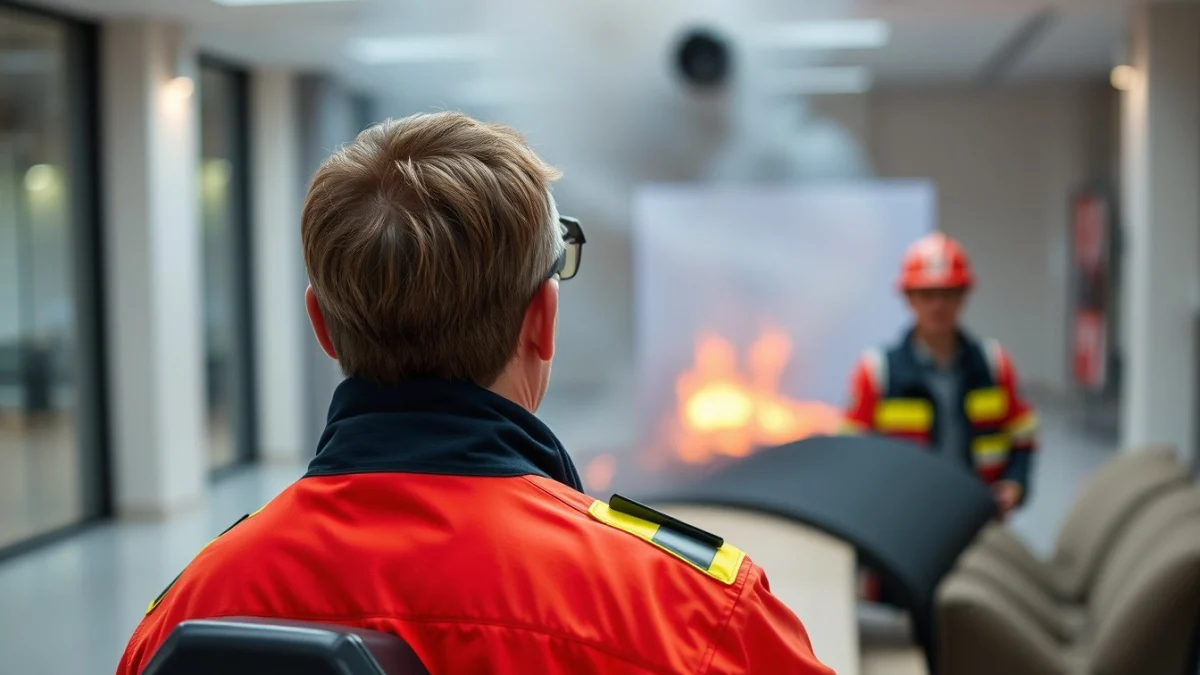
Fire needs three things to start and keep burning: fuel, heat, and oxygen. Once a fire starts, how quickly it spreads depends on many factors. These include the type of material burning, the weather conditions, and how close other flammable materials are.
Main Factors Influencing Fire Spread
- Fuel Type and Amount: Dry materials like wood, paper, or grass catch fire easily and burn fast. Wet or green plants burn slower. The more fuel there is, the bigger and faster the fire can grow.
- Weather Conditions: Wind can push flames and sparks, making the fire spread faster in one direction. High temperatures dry out fuel and make it burn easier. Humidity, or moisture in the air, slows down fire spread because damp conditions make fuel less likely to catch fire.
- Topography (Land Shape): Fires move faster uphill because heat rises and dries out fuel above the fire. Steep slopes increase the speed of a fire. Valleys and flat land can help fires spread slower or faster depending on wind flow.
- Oxygen Supply: Fire needs air to keep burning. If there is plenty of oxygen, the fire will grow quickly. Closed spaces or low oxygen areas slow down fire spread.
- Human Factors: Activities like burning waste, discarded cigarettes, or careless use of fire can cause fires to start and spread faster. Buildings and structures made from flammable materials also affect fire movement.
Understanding these factors helps firefighters choose the best way to fight a fire. It also teaches communities what to avoid and how to prepare their homes and environment to reduce fire risks.
Always remember, controlling fuel sources and being aware of weather can make a big difference in stopping a fire from spreading.
Live Scenario • Active Situation
You are a warehouse safety officer responding to a fire in a storage area with stacked wooden pallets and cardboard boxes.
There is no single perfect answer. Choose what you would do in this situation.
