
Developing and Maintaining Fire Prevention Plans
Developing and maintaining fire prevention plans is a key step in keeping workplaces, schools, homes, and other buildings safe from fire hazards. A good plan helps to identify risks, set safety rules, and prepare people for emergencies. It is important to know how to create these plans and keep them up to date to reduce the chances of fire and protect lives and property.
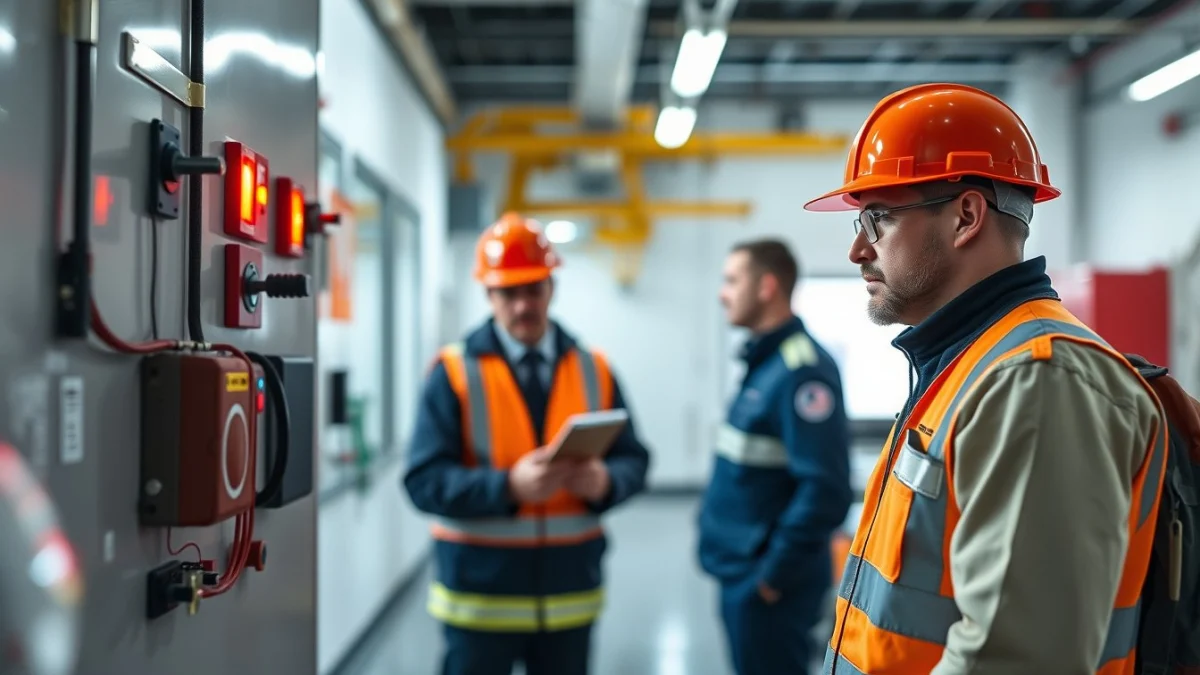
Steps to Create and Keep a Fire Prevention Plan Effective
First, start by assessing the area for fire risks. Look for things that might cause a fire, such as faulty wiring, open flames, or flammable materials. Knowing the risks helps you focus your prevention efforts where they matter most.
Next, create clear rules and guidelines for everyone to follow. This may include proper handling and storage of flammable substances, safe use of electrical equipment, and no smoking zones. These rules should be easy to understand and shared with all occupants.
Another important part is installing and maintaining fire safety equipment. Smoke alarms, fire extinguishers, and sprinkler systems must be checked regularly to make sure they are working properly. This equipment helps detect and control fires early.
Training is essential. Everyone should know what to do if a fire starts. Regular fire drills help people practise how to evacuate safely and calmly. Include instructions on where to meet after leaving the building and who to inform about the fire.
Finally, review and update the fire prevention plan often. Conditions might change, like new equipment being installed or building layout changes. Regular reviews ensure that the plan stays useful and effective at preventing fires.
Key Points to Remember
- Identify fire hazards regularly
- Set clear safety procedures for everyone
- Maintain fire safety equipment in good condition
- Conduct fire drills regularly with all occupants
- Review and update the plan at least once a year
By following these practical steps for developing and maintaining fire prevention plans, you help create a safer environment. Fire prevention is better and less costly than dealing with fire damage later. Stay alert, prepared, and committed to fire safety for the well-being of everyone involved.
Live Scenario • Active Situation
You are the fire safety officer at a busy warehouse.
There is no single perfect answer. Choose what you would do in this situation.
