
Review of Key Fire Safety Concepts Covered
Important Fire Safety Concepts to Remember
The review of key fire safety concepts covered in this course helps you understand how to prevent fires and stay safe in case of an emergency. Fire safety is important in homes, workplaces, and public places. Knowing what to do can save lives and reduce damage.
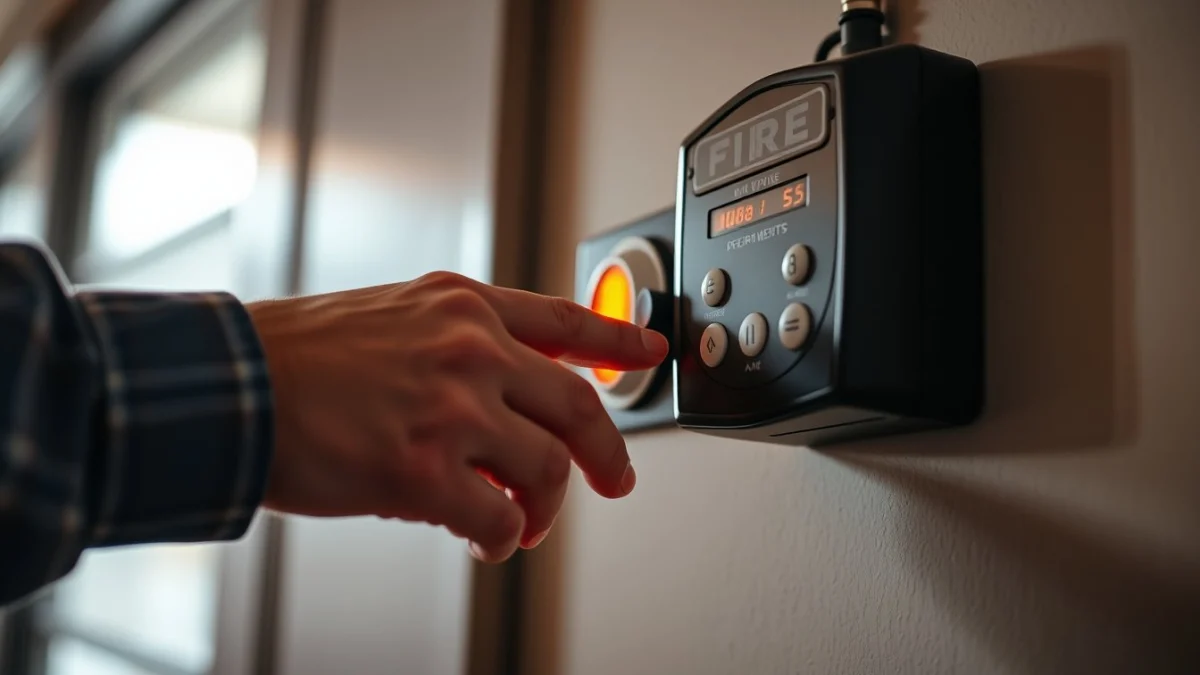
First, it’s crucial to understand fire prevention. This means reducing risks by being careful with things that can start fires, such as matches, candles, and electrical appliances. Always switch off electrical devices when not in use, avoid overloading plugs, and keep flammable materials away from heat sources.
Basic Fire Safety Rules
- Know where fire exits are and keep them clear.
- Have a working smoke detector in your home or workplace.
- Keep fire extinguishers accessible and know how to use them.
- Do not block fire hydrants or firefighting equipment.
- Create and practise a fire escape plan with your family or colleagues.
When a fire starts, acting quickly and calmly is very important. Always remember the “Stop, Drop, and Roll” technique if your clothes catch fire. If you see fire or smoke, raise the alarm immediately and help others to leave safely.
Calling the emergency services right away is key. In South Africa, this is done by dialling 10177 for the fire department. Provide clear information about your location and the nature of the fire.
Evacuate the building using the closest safe exit. Do not use lifts during a fire. If smoke is thick, stay low to the ground to avoid breathing it in. Close doors behind you to slow the spread of the fire.
Understanding the types of fires and the correct extinguishing methods can prevent injuries or worsening of the fire. For example, water is safe for some fires but dangerous for electrical or oil fires. Using the right fire extinguisher saves lives.
Finally, always review and update your fire safety plans. Regular checks on equipment like fire alarms and extinguishers ensure they work properly when needed. Education and practice build confidence to face possible fire emergencies.
This review of key fire safety concepts covered equips you with practical knowledge to protect yourself and others. Fire safety is a responsibility we all share every day.
Live Scenario • Active Situation
You are a factory floor supervisor responsible for safety.
There is no single perfect answer. Choose what you would do in this situation.
