
Classification of Fires and Fire Classes
The Classification of Fires and Fire Classes helps us understand different types of fires. This is important for knowing how to put out fires safely and quickly. Fires can start in various ways and involve different materials. Identifying the class of fire tells us the right method and equipment to use to stop it.
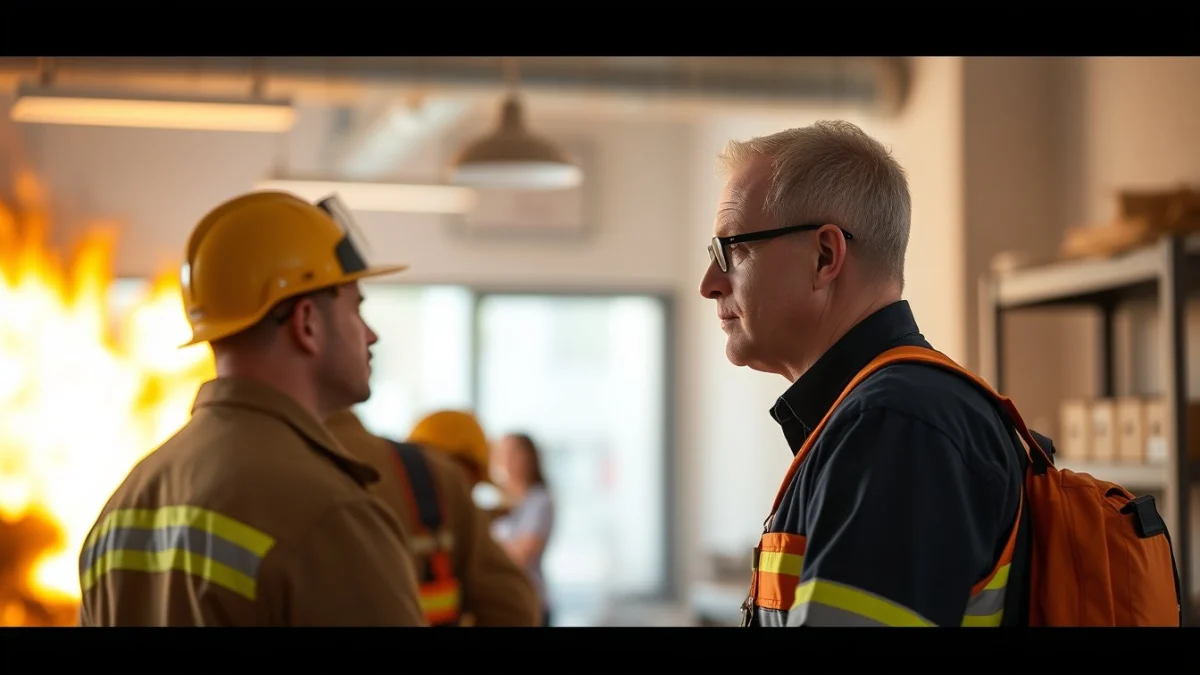
Understanding Fire Classes and Why They Matter
Fires are grouped into classes based on what is burning. Each class requires specific fire extinguishers or methods. Using the wrong extinguisher can be dangerous or cause the fire to spread. Below is a simple guide to the main fire classes:
- Class A: Fires involving ordinary solids like wood, paper, cloth, and some plastics. These materials burn with glowing embers.
- Class B: Fires involving flammable liquids such as petrol, oil, paint, and grease. These fires can spread quickly and are very dangerous.
- Class C: Fires involving gases like propane, butane, and methane. Gas fires can cause explosions if not handled carefully.
- Class D: Fires involving combustible metals such as magnesium, aluminium, potassium, and sodium. These are rare but burn at very high temperatures.
- Class F: Fires involving cooking oils and fats, often found in kitchens. These fires can be difficult to control if not treated properly.
- Electrical Fires: Not a separate class but are linked to live electrical equipment. These require special extinguishers to prevent electrocution.
Knowing these classes helps in choosing the correct fire extinguisher:
- Water extinguishers work well on Class A fires but are dangerous on oil, electrical, or metal fires.
- Foam extinguishers are good for Class A and B fires.
- Carbon dioxide (CO2) extinguishers work well for electrical fires and some Class B fires.
- Dry powder extinguishers are versatile and can handle Class A, B, C, and electrical fires.
- Wet chemical extinguishers are designed for Class F fires in kitchens.
In South Africa, fire safety regulations include knowing these fire classes to ensure workplaces and homes are prepared. Always read the label on extinguishers to see which classes they cover. In an emergency, if unsure, call the fire department immediately and do not take risks.
Remember, prevention is better than cure. Avoid risky behaviour like smoking near flammable materials and ensure electrical wiring is safe. Regularly check that fire extinguishers are in working order.
Live Scenario • Active Situation
You are a warehouse supervisor responsible for safety in a facility storing various materials including wood pallets, petrol cans, and propane tanks.
There is no single perfect answer. Choose what you would do in this situation.
