
Common Causes of Fires in Home and Workplace
What Often Starts Fires at Home and Work
Understanding the common causes of fires in home and workplace helps you stay safe. Fires can start quickly and cause serious damage or injury. Knowing what triggers fires lets you take simple actions to prevent them.
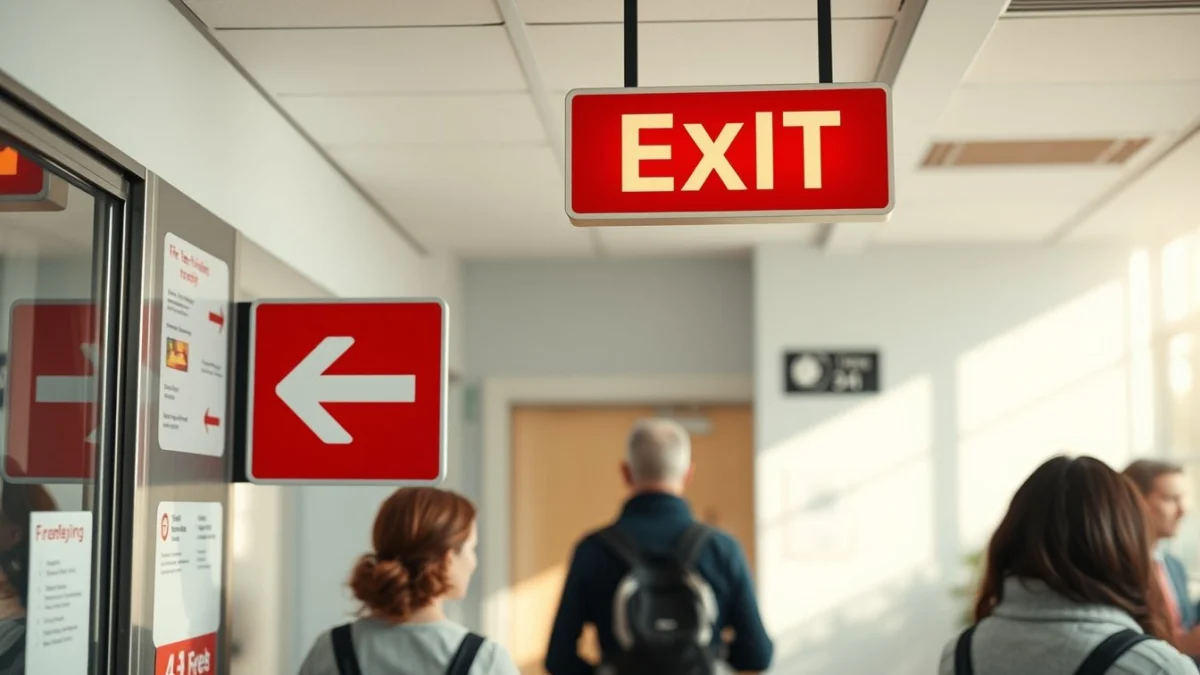
Many fires begin because of everyday activities or equipment that we use without caution. These causes include electrical problems, cooking accidents, and careless use of heating devices. Being aware of these risks is the first step to avoiding fire accidents.
Top Causes of Fires at Home and Work
- Electrical faults: Old or damaged wiring, overloaded sockets, and faulty appliances can spark fires. Always check plugs and replace damaged cords.
- Cooking accidents: Leaving food unattended on the stove or using cooking oil without supervision often causes fires. Never leave cooking areas without watching the food.
- Heating equipment: Portable heaters, fireplaces, and stoves can ignite nearby flammable materials like curtains or paper if placed too close.
- Smoking: Careless disposal of cigarette butts or smoking indoors can lead to fires. Always use designated ashtrays and never smoke in no-smoking areas.
- Open flames: Candles, matches, and lighters can quickly cause fires if left unattended or near flammable items.
- Chemical reactions: Improper storage or mixing of chemicals at work or home can cause fires or explosions. Store chemicals securely and follow safety guidelines.
- Flammable liquids: Substances like petrol, paint thinners, and solvents catch fire easily if spilled or stored near heat sources.
- Arson: Sadly, some fires start because of intentional acts. Be aware of security and report suspicious activity.
By knowing these common causes of fires in home and workplace, you can identify risks and reduce them. Always keep your surroundings clean and clear of clutter that can fuel a fire. Ensure fire alarms and extinguishers are in good working order. Having a fire escape plan saves lives.
Live Scenario • Active Situation
You are a maintenance technician at a busy office building.
There is no single perfect answer. Choose what you would do in this situation.
