
Types of Fire Extinguishers and Their Uses
Track Your Course Progress
You are currently studying as a guest. Your course progress and quiz results will not be saved unless you login to your EduCourse account. Login to track your progress and qualify for your certificate.
Understanding Fire Extinguishers for Safety
Types of fire extinguishers and their uses are important knowledge for everyone. Fire extinguishers are tools to stop small fires before they spread. Different fires need different extinguishers. Using the wrong type can be dangerous and make the fire worse. This guide explains the main types of fire extinguishers used in South Africa and when to use each.
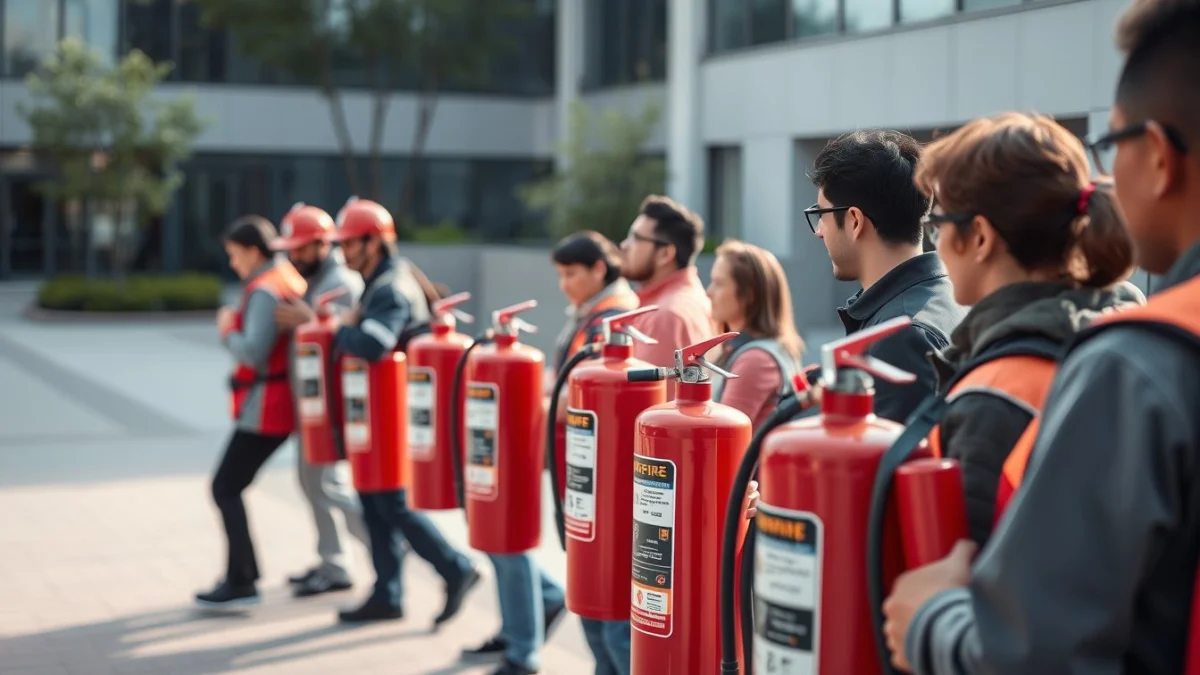
Common Types of Fire Extinguishers and What They Are For
- Water (Class A)
These extinguishers use water to cool down fires caused by solid materials like wood, paper, and cloth. Do NOT use water extinguishers on electrical fires or fires involving flammable liquids. Water can cause electric shock or spread the fire. - Foam (Class A and B)
Foam extinguishers are used for fires caused by solids (wood, paper) and flammable liquids like petrol and oil. Foam works by covering the fire and stopping oxygen from feeding it. Never use foam on electrical fires. - Dry Chemical Powder (Class A, B, C)
These are multi-purpose extinguishers used for fires involving solids, flammable liquids, and gases. They work by interrupting the chemical reaction of the fire. They are effective for electrical fires as well. Dust from these extinguishers can cause irritation, so use carefully. - Carbon Dioxide (CO2) (Class B and Electrical)
CO2 extinguishers remove oxygen and cool the fire. They are ideal for electrical fires and fires caused by flammable liquids. They do not leave residue, so electronics and machinery can be saved. These are not suitable for solid combustible materials like wood. - Wet Chemical (Class F)
Wet chemical extinguishers are designed for cooking oil and fat fires, common in kitchens. They work by cooling the fire and creating a soapy layer to prevent re-ignition. Using water or other extinguishers on oil fires is very dangerous and can cause the fire to spread.
Key Points for Safe Use
- Always choose the right extinguisher for the fire type.
- Read the label or colour code on the extinguisher: South African fire extinguishers have colour bands that show their type.
- Do not use water on electrical or oil fires.
- If the fire is too big or spreading fast, evacuate and call the fire service immediately.
Knowing the types of fire extinguishers and their uses helps protect lives and property in emergencies. Proper use can stop a fire from becoming a disaster.
Live Scenario • Active Situation
You are a maintenance technician at a busy warehouse.
There is no single perfect answer. Choose what you would do in this situation.
