
Using Fire Blankets and Other Tools Safely
Using fire blankets and other tools safely is essential during a fire emergency. Fire blankets, fire extinguishers, and other firefighting equipment help control small fires and protect people. Knowing how to use these tools correctly can prevent injuries and limit damage.
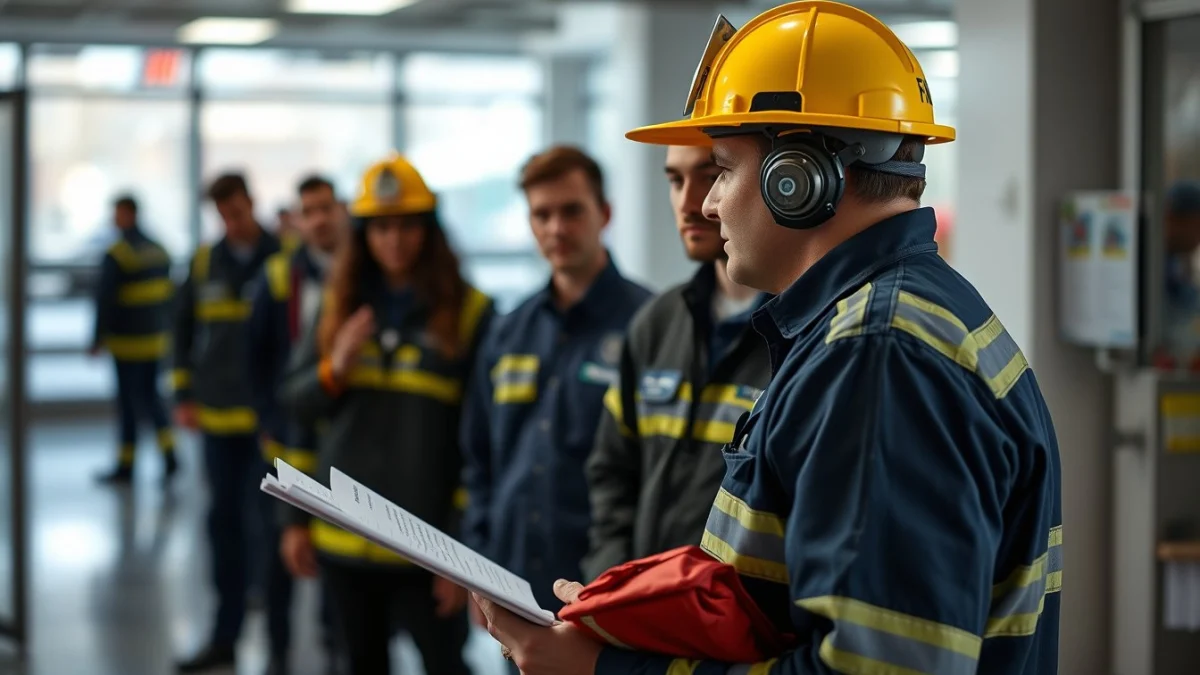
How to Use Fire Blankets and Firefighting Tools Properly
A fire blanket is a simple but effective tool for smothering small fires, especially those involving cooking oil or clothing. When using a fire blanket, pull it out carefully and hold it like a shield. Cover the fire completely to cut off the oxygen supply. Do not wave it around as this can spread the fire.
After covering the fire, leave the blanket in place until the fire is fully out and cool. Never remove the blanket too soon or try to move the burning object while the fire is still active. Always check for hot spots before leaving the area.
Safe Steps for Using Fire Blankets
- Pull the fire blanket out quickly but carefully.
- Hold the blanket in front of you for protection.
- Gently place the blanket over the fire, covering it fully.
- Turn off any heat source if possible.
- Leave the blanket in place until the fire is completely out.
- Call for help if the fire spreads or does not go out.
Other firefighting tools, like fire extinguishers, also require safe use. Always check that the extinguisher is suitable for the type of fire. For example, use a Class B extinguisher for flammable liquids and a Class A extinguisher for general fires like wood or paper.
Before using an extinguisher, remember the PASS method:
- P – Pull the safety pin.
- A – Aim the nozzle at the base of the fire.
- S – Squeeze the handle to release the extinguishing agent.
- S – Sweep the nozzle side to side until the fire goes out.
Never stand too close to the fire or let the extinguisher run out before the fire is completely put out.
Always keep a safe distance from the fire while using any firefighting tool. Wear protective gear if available, such as gloves or masks. Avoid inhaling smoke and keep escape routes clear.
Regularly check your firefighting equipment to ensure it is in good condition. Replace old or damaged fire blankets and check extinguisher pressure levels and expiry dates. Proper maintenance means your tools will work when you need them most.
Using fire blankets and other tools safely means being calm, quick, and careful. Training and practice help you respond correctly during emergencies. Always call emergency services if the fire grows or becomes dangerous.
Remember, small fires can often be controlled with the right tools and correct use. Being prepared and knowing how to use fire blankets and other firefighting equipment safely protects lives and property.
Live Scenario • Active Situation
You are a kitchen assistant at a busy restaurant.
There is no single perfect answer. Choose what you would do in this situation.
