
How Fire Alarm Systems Work
Understanding Fire Alarm Systems
How fire alarm systems work is important to know for staying safe in homes, schools, and workplaces. These systems help detect fire early and warn people to act quickly. A fire alarm system has different parts that work together to find fire and give a clear warning.
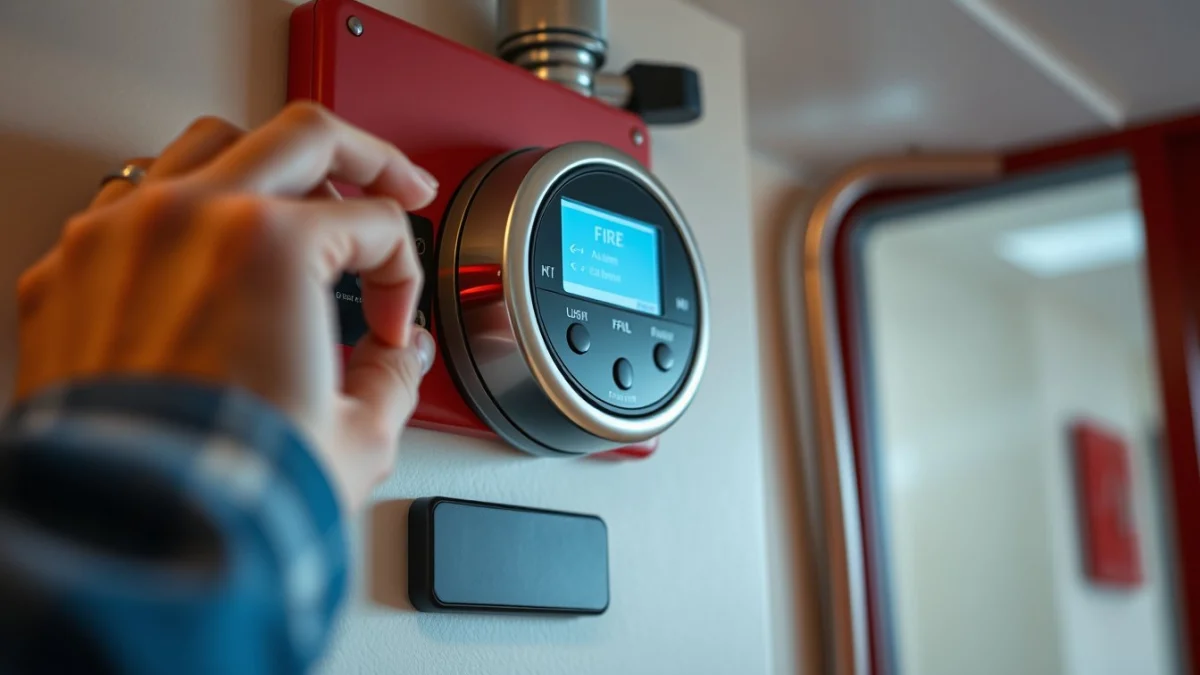
First, fire alarm systems use detectors to spot signs of fire. These detectors can sense smoke, heat, or even flames. The most common type is a smoke detector, which notices tiny smoke particles in the air. When smoke or heat is detected, the system sends a signal to the control panel.
The control panel is the brain of the fire alarm system. It receives signals from the detectors and checks if there is a real fire. If the control panel confirms danger, it activates alarms like loud sirens or flashing lights. These alarms warn everyone in the building to leave or follow fire safety plans immediately.
Some fire alarm systems are linked to automatic emergency services. When the alarm sounds, they can send messages directly to the fire department. This helps firefighters arrive quickly and start putting out the fire sooner.
Main Parts of a Fire Alarm System
- Fire Detectors: Smoke, heat, or flame sensors that spot fire early.
- Control Panel: Processes alarm signals and controls alerts.
- Warning Devices: Sirens, bells, or flashing lights to warn people.
- Manual Call Points: Buttons or switches people can press to raise an alarm if they see fire.
- Communication Links: Systems that notify firefighters or security teams automatically.
Fire alarm systems need regular maintenance to work well. Testing detectors and alarms helps make sure everything functions correctly. This regular check can save lives by giving early warnings.
In summary, fire alarm systems detect fire through special sensors, alert people with alarms, and can contact emergency responders. Knowing how fire alarm systems work helps us respect their importance and respond quickly if a fire happens.
Live Scenario • Active Situation
You are a factory floor supervisor in charge of safety monitoring.
There is no single perfect answer. Choose what you would do in this situation.
