
Limitations and Safety Precautions When Fighting Fires
Key Things to Know About Fighting Fires Safely
Limitations and safety precautions when fighting fires are very important to understand. Firefighters and learners must know what tools and methods work best and what dangers to avoid. Fires can be unpredictable and dangerous, so being careful helps prevent injuries or making the fire worse.
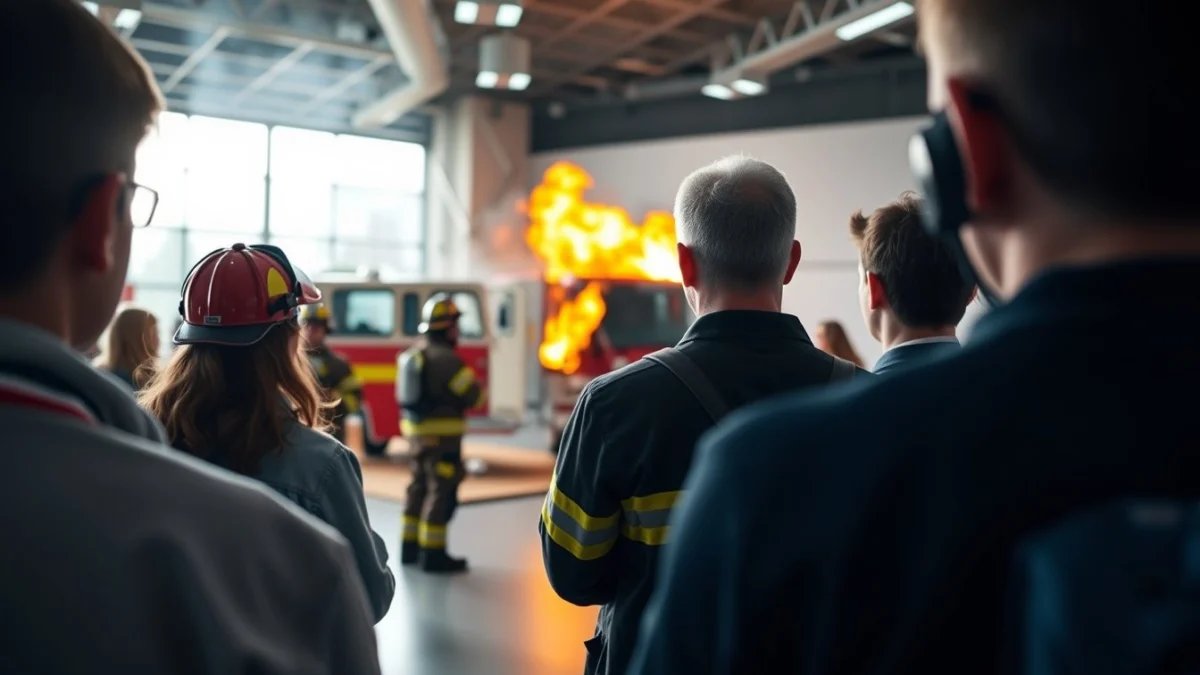
One big limitation is that not all fires can be put out with the same equipment. For example, water works well on wood or paper fires but is very dangerous on electrical or oil fires. Using the wrong extinguisher can spread the fire or cause explosions.
Another limitation is personal safety gear. Without the right protective clothing, breathing masks, and gloves, fighting a fire can cause burns, smoke inhalation, or other injuries. Always check that your safety gear is ready to use and in good condition before starting to fight a fire.
Firefighters must also be aware of their own physical limits. Fighting a fire is hard work and can cause exhaustion or heat stress. Work in teams and take breaks to avoid accidents caused by tiredness.
Important Safety Rules to Follow When Fighting Fires
- Always assess the fire before acting. If it is too large or spreading quickly, evacuate and call professional help.
- Use the correct type of extinguisher for the fire class: water for Class A, foam or powder for Class B, CO2 for electrical fires.
- Wear full protective equipment, including gloves, helmet, boots, and breathing protection if smoke is heavy.
- Keep a clear escape route so you can leave easily if the fire becomes dangerous.
- Do not fight a fire alone. Always work in pairs or groups for safety.
- Stay low to avoid smoke inhalation, as smoke rises and can quickly cause unconsciousness.
- Never take risks with gas leaks or chemicals; evacuate and wait for trained personnel.
Understanding these limitations and safety precautions when fighting fires can save lives and reduce damage. Always remember that your safety comes first. Fires with high risks or large sizes should always be handled by professionals.
By following these guidelines, you can safely use firefighting equipment and help control small fires while waiting for emergency services. Fire safety starts with knowledge, caution, and respect for the dangers involved.
Live Scenario • Active Situation
You are a factory maintenance worker responding to a small fire in the storage room.
There is no single perfect answer. Choose what you would do in this situation.
