
Importance of accurate data recording
Why Accurate Data Recording Matters in Community Health
Importance of accurate data recording cannot be overstated in the work of community health workers. It ensures that patient information, treatment details, and health trends are documented correctly. This helps in giving proper care to individuals and making good health decisions for the whole community.
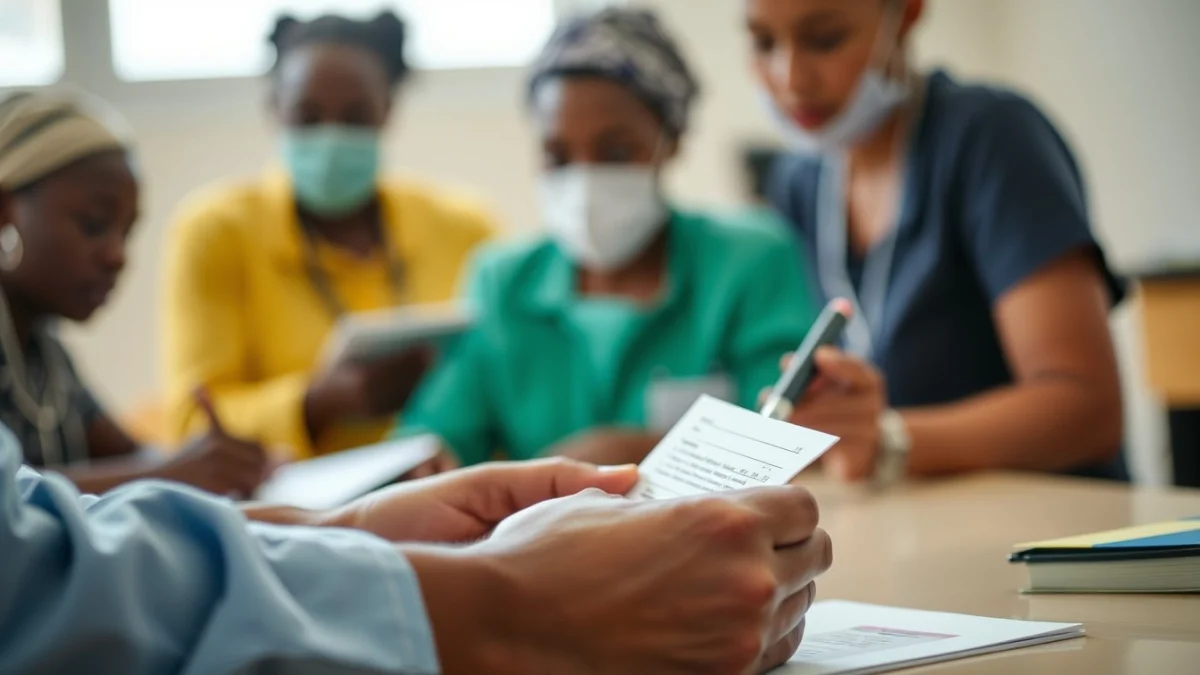
Accurate data makes sure that medical histories are clear. When health workers record information correctly, patients receive the right treatments. Wrong or missing information can lead to wrong treatments or repeated tests, which can harm patients and waste resources.
Data recording also helps track disease patterns. Community health workers collect information about illnesses, symptoms, and outbreaks. This data helps health teams and authorities to understand which diseases are common and where help is needed most.
Good data supports better planning and budgeting. When health officials see accurate records, they can plan medicines, vaccines, and staff needs properly. This avoids shortages and helps use money efficiently.
Benefits of Accurate Data Recording
- Improves patient care and safety
- Helps identify health trends and outbreaks
- Supports proper resource management
- Enables better communication between health workers
- Ensures reliable reports for supervisors and government
For community health workers, understanding the importance of accurate data recording means knowing that every piece of information counts. Recording data clearly and truthfully builds trust with patients and coworkers. It also ensures that health services improve over time through reliable information.
Finally, accurate data protects health workers and their organisations. If reports are clear and correct, it is easier to prove that the right actions were taken when needed. This is important in case of audits or investigations.
In conclusion, community health workers play a key role in health systems. Their careful and accurate data recording improves health care delivery, helps manage diseases, and supports the whole health system to work better for communities across South Africa.
Live Scenario • Active Situation
You are a community health worker recording patient treatment data during a busy clinic day.
There is no single perfect answer. Choose what you would do in this situation.
