
Verbal and non-verbal communication techniques
Understanding Verbal and Non-Verbal Communication Techniques
Verbal and non-verbal communication techniques are important tools for any Community Health Worker. These techniques help you share information clearly and build good relationships with the community.
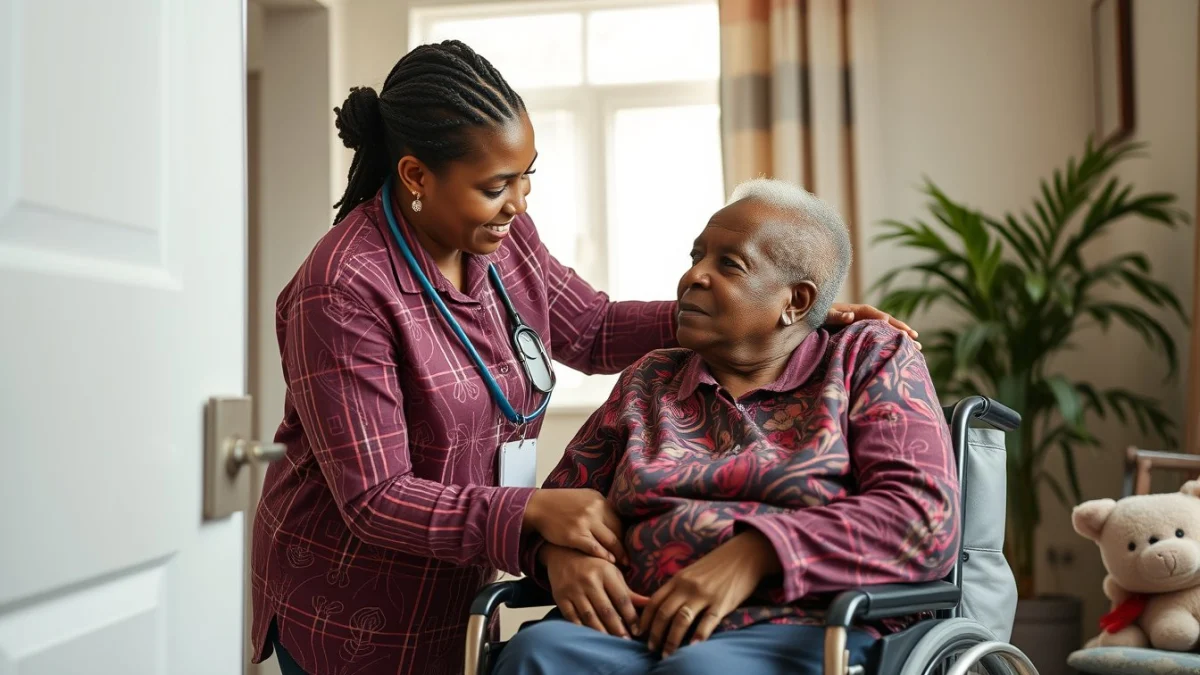
Verbal communication means using words to express ideas. This includes speaking face-to-face, on the phone, or during group conversations. It is important to use simple, clear language that everyone can understand. Avoid medical jargon unless you explain it well.
Effective verbal communication involves:
- Speaking slowly and clearly
- Using a friendly and respectful tone
- Listening carefully to what others say
- Asking questions to make sure you understand
- Answering questions honestly and briefly
Non-verbal communication means sharing messages without words. This includes body language, facial expressions, eye contact, and gestures. Non-verbal signals often show how someone feels, even if their words say something different.
Good non-verbal communication can help you build trust and show you care. Some important non-verbal communication techniques are:
- Keeping eye contact to show you are interested
- Smiling to make people feel comfortable
- Nodding to show you understand or agree
- Using open body language like uncrossed arms
- Maintaining a calm and patient posture
Pay attention to other people’s non-verbal messages. If someone looks worried or confused, they might need more information or reassurance. Adjust your communication style based on their body language.
Combining verbal and non-verbal communication techniques makes your message stronger. For example, if you explain a health practice verbally while showing how to do it, people understand better and remember more.
In your work as a Community Health Worker, practice both techniques. Be clear when you speak and aware of your body language. This helps you connect with people, overcome barriers, and support their health effectively.
Live Scenario • Active Situation
You are a Community Health Worker visiting a local clinic to talk with patients about managing diabetes.
There is no single perfect answer. Choose what you would do in this situation.
