
Recognising danger signs in mothers and infants
Recognising danger signs in mothers and infants is very important for Community Health Workers. Knowing these signs helps to act fast and save lives. It also helps to provide the right support and advice to mothers and families.
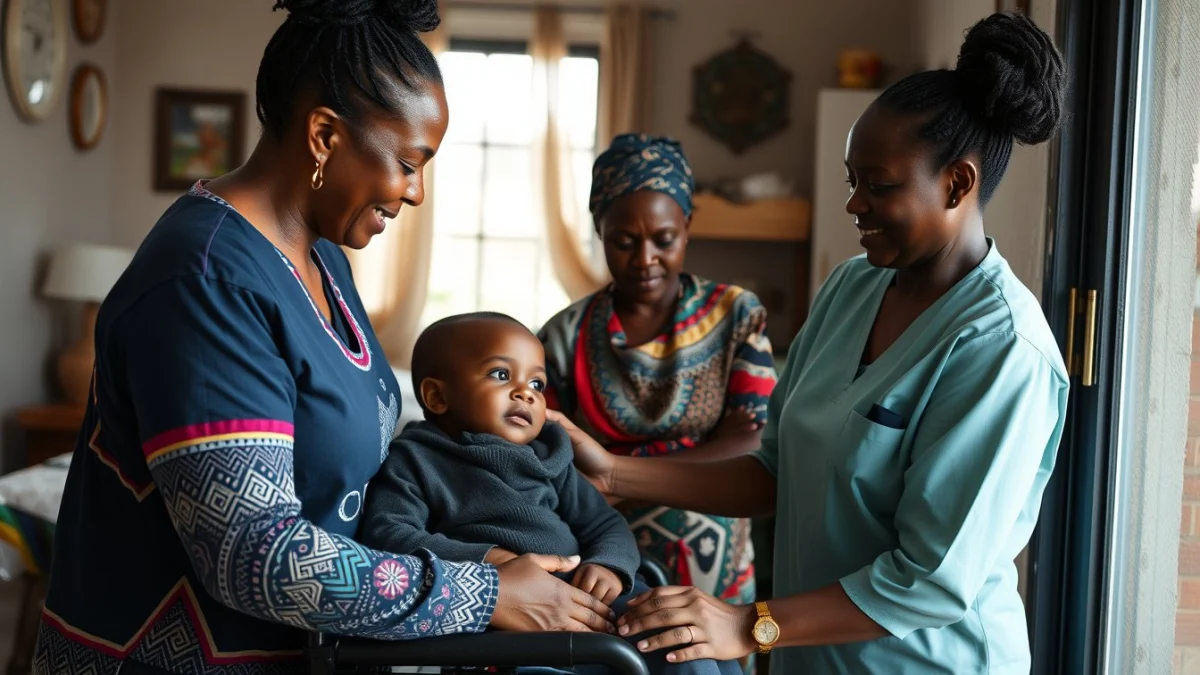
Common Danger Signs in Mothers and Infants
Health workers must always watch for certain danger signs during pregnancy, delivery, and after birth. These signs show that the mother or baby may need urgent medical care.
Danger Signs in Mothers
- Heavy bleeding during or after birth
- Severe abdominal pain or cramps
- Fever above 38°C (100.4°F)
- Swelling of the hands, face, or feet
- Severe headache or blurred vision
- Difficulty breathing
- Convulsions or fits (eclampsia)
- Signs of infection around the wound (if had surgery)
If a mother shows any of these signs, she must be referred immediately to a clinic or hospital for treatment.
Danger Signs in Infants
- Baby is not feeding well or refuses to feed
- Breathing fast or with difficulty
- Fever over 38°C or very low temperature (below 35.5°C)
- Yellow skin or eyes (jaundice)
- Constant vomiting
- Baby is very sleepy or difficult to wake
- Convulsions or fits
- Any bleeding or pus from the umbilical cord
Infants showing these danger signs also need urgent medical assessment and care to prevent serious illness or death.
Why Early Recognition is Important
Early recognition of danger signs helps to provide quick treatment before problems get worse. Community Health Workers can teach mothers and families to watch for these signs at home.
Health workers should also encourage mothers to attend all antenatal and postnatal visits. These check-ups help catch problems early, even if no danger signs appear yet.
What You Should Do as a Community Health Worker
- Teach mothers and families about key danger signs in simple language
- Encourage mothers to seek care immediately if they see any danger signs
- Support and assist with transport to the nearest health facility if needed
- Follow up with mothers and babies after birth to check their health
- Work with clinics and nurses for referrals and follow-up care
Remember, recognising danger signs in mothers and infants early can save lives. Be alert, teach others, and act fast.
Live Scenario • Active Situation
You are a Community Health Worker visiting a new mother and her infant during a home follow-up after childbirth.
There is no single perfect answer. Choose what you would do in this situation.
