
Nutrition and immunisation importance
Nutrition and immunisation importance cannot be overstated when it comes to the health of mothers and children. Good nutrition helps the body grow strong and fight diseases. Immunisation protects against dangerous infections that can cause serious illness or death. Together, they form the foundation of healthy communities.
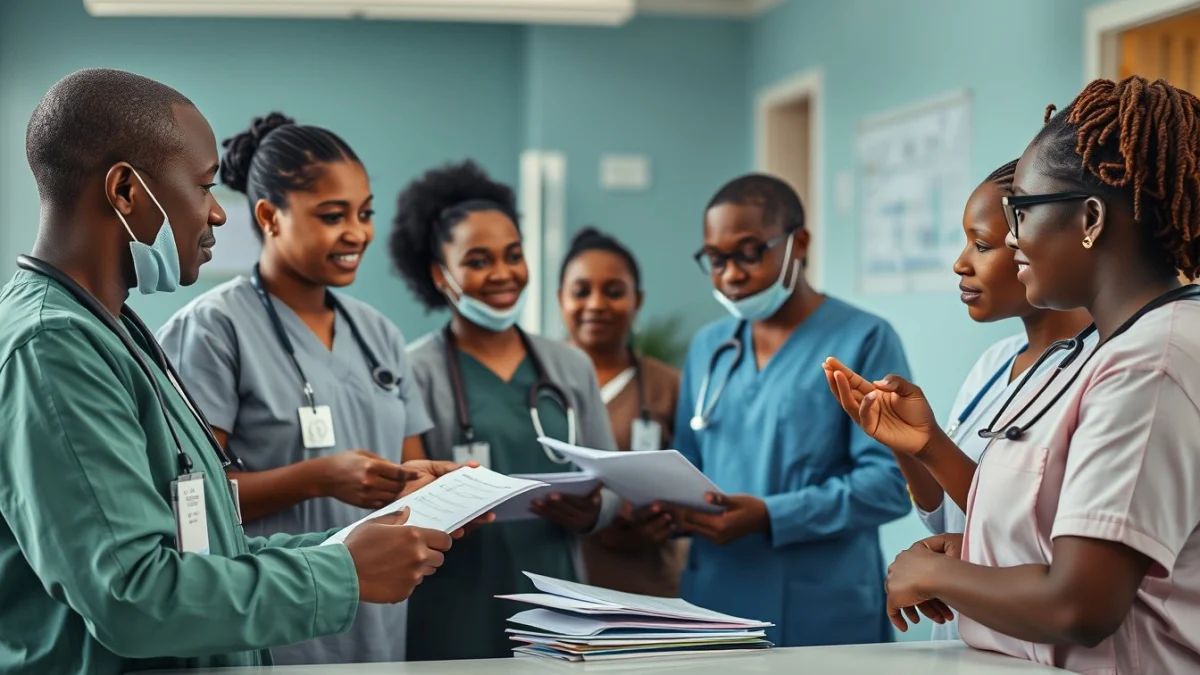
Why Proper Nutrition and Immunisation Matter
Nutrition means giving the body the right food in the right amounts. For pregnant women, good nutrition supports the growing baby and helps prevent complications during pregnancy and birth. For babies and young children, proper nutrition aids in brain development, strong bones, and a healthy immune system.
Immunisation is the process of giving vaccines that protect the body against specific diseases. Vaccines prepare the immune system to fight infections without causing the illness itself. For young children, vaccines prevent diseases like measles, polio, and tuberculosis, which can be life-threatening.
When children receive the correct vaccines at the right time and eat well, they are less likely to fall sick. This means fewer visits to the clinic and school absences. For communities, good nutrition and immunisation reduce the spread of diseases and improve everyone’s health.
Key Benefits of Good Nutrition and Immunisation
- Strengthens the immune system to fight infections
- Supports healthy growth and brain development in children
- Prevents malnutrition-related illnesses
- Reduces child and mother mortality rates
- Protects against vaccine-preventable diseases
- Improves school attendance and learning abilities
- Decreases healthcare costs for families and communities
Community Health Workers play an important role in teaching families about good foods and the schedule for immunisations. They help ensure that pregnant women and children get the nutrients and vaccines needed to stay healthy.
To support nutrition, advise on balanced meals that include fruits, vegetables, protein, and clean water. Encourage exclusive breastfeeding for the first six months and introduce nutritious foods as the child grows.
For immunisation, remind caregivers about clinic visits and explain how vaccines protect the child. Help identify and address concerns about vaccines to build trust. Reporting missed immunisations can help clinics follow up on children at risk.
In summary, understanding nutrition and immunisation importance is vital in Maternal and Child Health support. Proper nutrition keeps the body strong, while immunisation protects from serious diseases. Together, they help children grow into healthy adults and build stronger communities.
Live Scenario • Active Situation
You are a Community Health Worker supporting maternal and child health in a rural clinic.
There is no single perfect answer. Choose what you would do in this situation.
