
Basic care for pregnant women and newborns
Basic care for pregnant women and newborns is very important to keep both mother and baby healthy. This care helps prevent problems during pregnancy and after birth. It also supports a good start for the baby’s life and helps the mother stay strong.
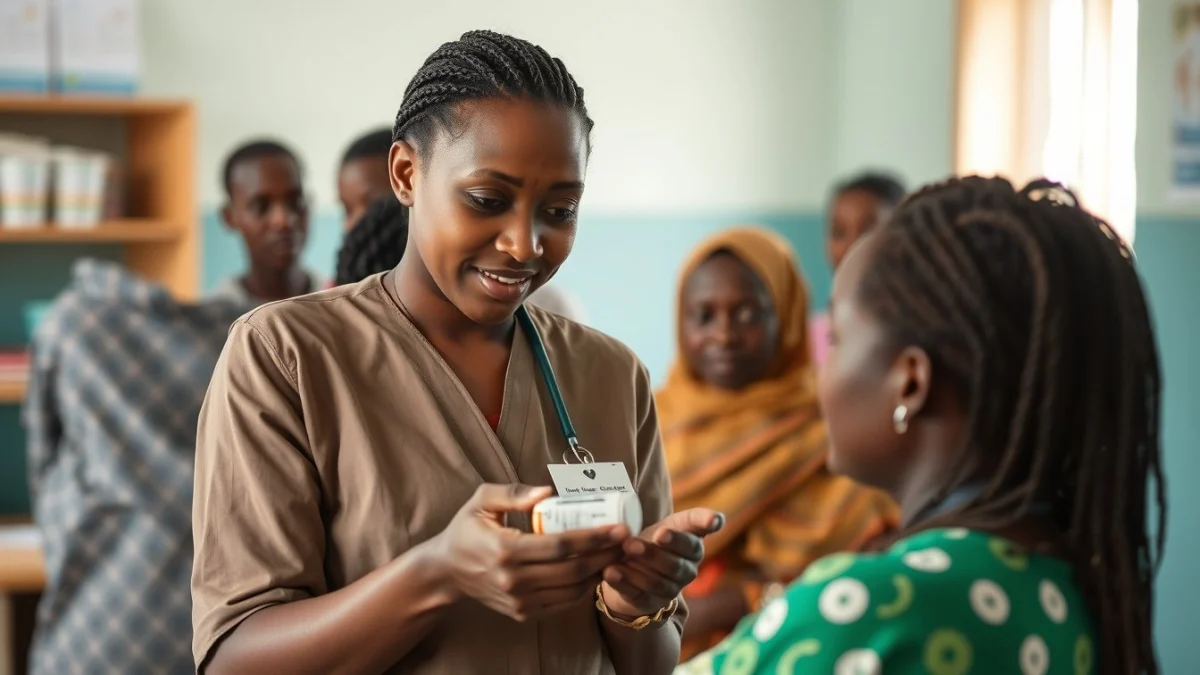
How to Support Pregnant Women and Newborns in Your Community
Pregnant women need good care from the start of pregnancy. This means they should visit a clinic regularly for check-ups. Health workers check the mother’s health, the baby’s growth, and give important advice. Early visits are important so problems can be found and treated quickly.
Pregnant women should eat healthy food. Good food gives strength and helps the baby grow well. They need to eat vegetables, fruits, protein (like beans, eggs or meat), and drink clean water. Avoid alcohol, smoking, and harmful drugs because these can hurt the baby.
Rest is also important. Pregnant women should sleep well and try not to do heavy work. They must avoid stress and stay safe from infections by washing hands often and avoiding sick people.
Basic Care Tips for Pregnant Women
- Attend clinic visits regularly for check-ups and vaccinations
- Take any medicine or vitamins prescribed by the nurse or doctor
- Eat balanced meals with plenty of fruits, vegetables and proteins
- Drink clean water and avoid harmful substances like alcohol and tobacco
- Rest well and avoid hard physical work
- Practice good hygiene to prevent infections
Once the baby is born, basic care continues. Cleanliness is very important to prevent infections. The baby should be kept warm and dry. Skin-to-skin contact with the mother helps the baby feel safe and helps breastfeeding.
Breastfeeding is best for newborn babies. It gives them the right food and protects against illnesses. Babies should only have breast milk for the first six months unless a health worker advises otherwise. No water or other foods are needed during that time.
Watch the baby closely for any signs of illness like fever, difficulty breathing, or poor feeding. If any problems happen, take the baby to a clinic quickly.
Newborns need important vaccinations to protect them from diseases. Make sure to attend the clinic for the immunisation schedule. The community health worker can remind the mother about these appointments.
Basic Care Tips for Newborns
- Keep the baby clean and dry at all times
- Keep the baby warm, especially at night and when outside
- Breastfeed frequently and only give breast milk for the first six months
- Take the baby to the clinic for all immunisations and check-ups
- Watch for and report any signs of illness immediately
- Practice safe hygiene when handling the baby
Community health workers play a key role in supporting mothers and babies. They visit homes, teach important care methods, and encourage clinic visits. This helps reduce risks and saves lives.
Remember, basic care for pregnant women and newborns improves health, prevents illness, and gives every child a strong start in life.
Live Scenario • Active Situation
You are a Community Health Worker supporting a pregnant woman in your community.
There is no single perfect answer. Choose what you would do in this situation.
