
Educating communities on hygiene and disease prevention
How Educating Communities Improves Health
Educating communities on hygiene and disease prevention is key to stopping illness and keeping people healthy. When community members know how germs spread and what they can do to avoid getting sick, fewer people get diseases. This education helps families, schools, and workplaces to create safer environments.
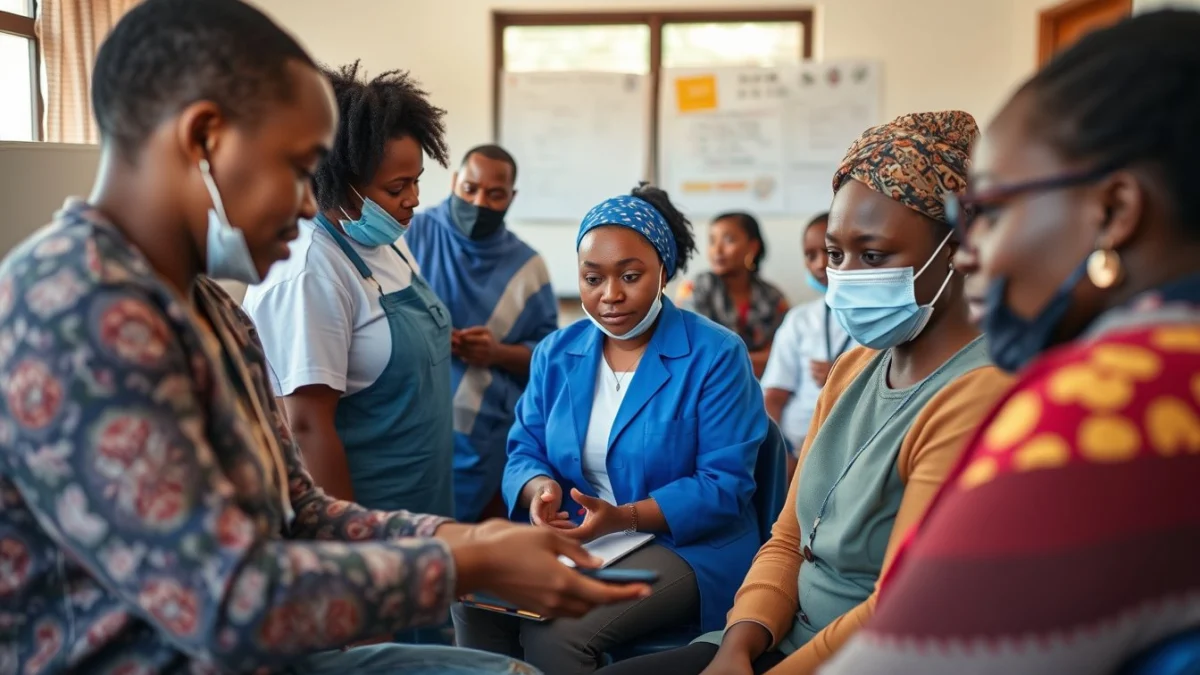
Good hygiene means practices that keep our bodies clean and reduce the chance of infection. Simple actions like washing hands with soap and water after using the toilet or before eating can stop many diseases like diarrhoea and respiratory infections. Teaching these habits builds strong health foundations.
Disease prevention is about more than just hygiene. It includes understanding how illnesses spread and taking steps to avoid exposure. This includes vaccinations, safe food handling, clean water, and avoiding contact with sick people. Communities that understand these ideas can protect themselves better.
Key Hygiene and Disease Prevention Messages for Communities
- Wash hands with soap and water regularly, especially after the toilet, before eating, and after coughing or sneezing.
- Use clean water for drinking and cooking to avoid waterborne diseases.
- Keep food clean and store it properly to prevent food poisoning.
- Cover your mouth and nose when coughing or sneezing to stop germs spreading.
- Use toilets or latrines and avoid open defecation.
- Dispose of waste properly to keep the environment clean.
- Ensure children receive all their vaccines on time to prevent infectious diseases.
- Avoid close contact with sick people and stay home when you are sick.
- Use mosquito nets to prevent malaria where it is common.
When community health workers teach these messages clearly and simply, they can change behaviour in a positive way. Using examples from everyday life, visual aids, and demonstrations helps people to understand and remember.
It is also important to listen to the community’s concerns and questions. This builds trust and encourages people to follow advice. Regular visits and group talks bring people together to share knowledge and support each other.
To be effective, education on hygiene and disease prevention should be continuous. Reinforcing messages during clinic visits, school lessons, and community gatherings keeps the information fresh and relevant.
Strong community education reduces the burden on hospitals and clinics. It helps people stay well, so they can work, learn, and care for their families. Everyone gains when we focus on preventing sickness before it starts.
Live Scenario • Active Situation
You are a Community Health Worker educating a rural village on hygiene and disease prevention.
There is no single perfect answer. Choose what you would do in this situation.
