
Using visual and verbal tools for health education
Using visual and verbal tools for health education helps community health workers explain important health messages more clearly. These tools make it easier for people to understand health information, remember it, and change their behaviour to stay healthy.
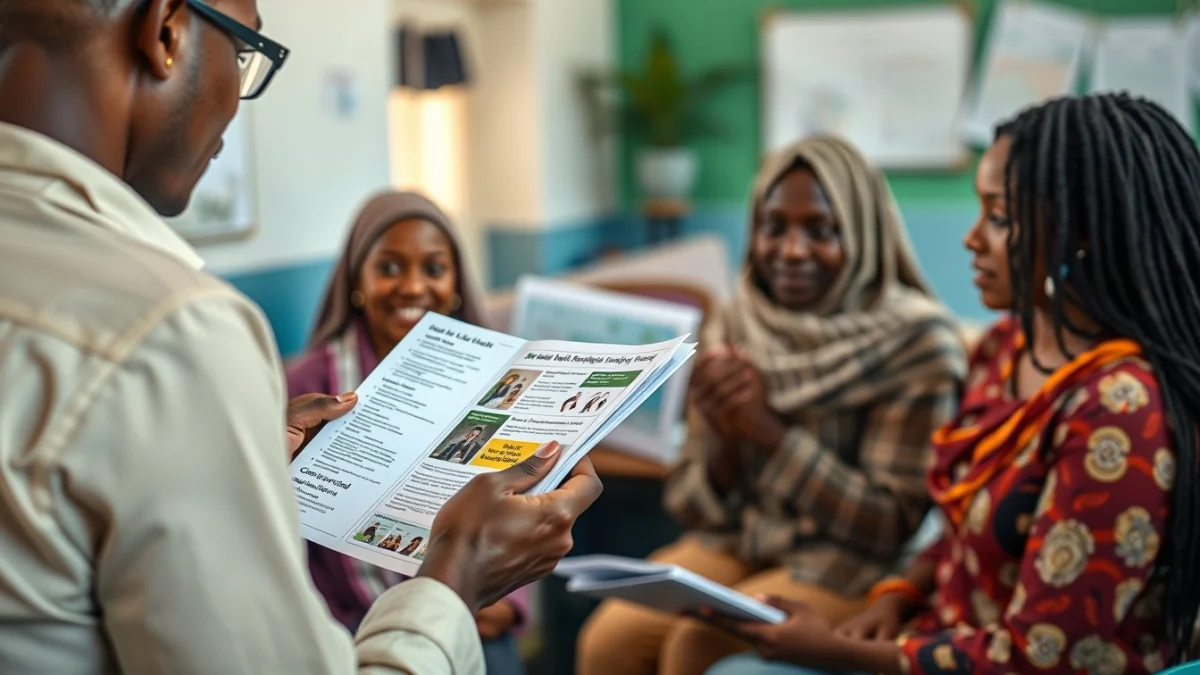
How visual and verbal tools improve health education
Visual tools include pictures, drawings, posters, videos, charts, and models. Verbal tools include simple language, stories, songs, and speeches. When you combine visual and verbal tools, you reach more people because some understand better by seeing, and others by listening.
For example, showing a poster about handwashing while explaining why it is important helps people understand the message faster. When people hear the instructions clearly and see pictures that show the right way, they are more likely to follow the advice.
Visual tools help learners who cannot read well. They can follow pictures or symbols instead of just words. Verbal information helps people ask questions and get answers immediately. Using both tools together makes your health education sessions more interactive and effective.
Practical tips for using visual and verbal tools
- Use simple and clear language suitable for your community.
- Choose pictures and videos that match the local culture and situation.
- Explain visuals clearly when showing them.
- Use stories or real-life examples to connect with your audience.
- Repeat important points both visually and verbally.
- Encourage questions to check understanding.
- Keep your materials colourful and easy to see, especially in outdoor or bright spaces.
- Practice your verbal message to sound confident and clear.
Using visual and verbal tools for health education is important in rural and urban areas where people have different schooling levels. It helps break down barriers to understanding health risks and how to prevent illness.
Remember, the goal is to help people make healthier choices. When learners see and hear messages in ways they understand, they are more likely to change their behaviour and improve their health.
Live Scenario • Active Situation
You are a community health worker preparing to teach a group of villagers about handwashing to prevent disease.
There is no single perfect answer. Choose what you would do in this situation.
