
Common first aid procedures in community settings
Basic Steps for Helping in Emergencies
Common first aid procedures in community settings are important skills for every Community Health Worker. These procedures help you provide quick care before professional help arrives. Knowing what to do can save lives and reduce harm.
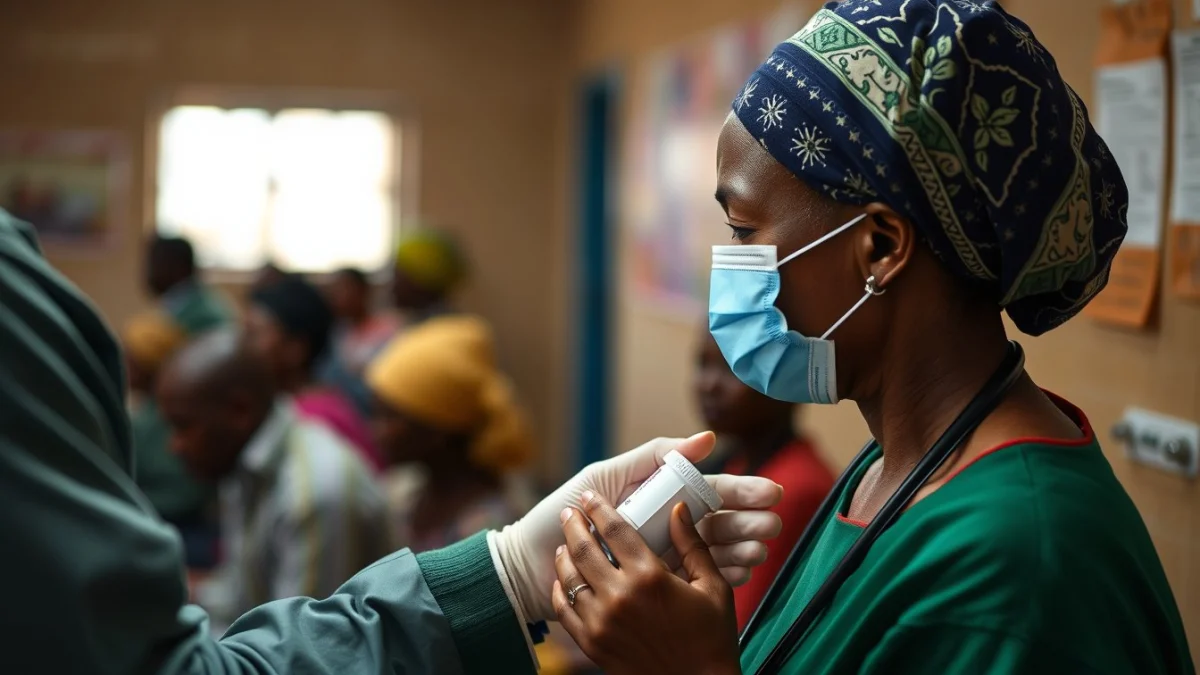
Always remember to stay calm and make sure the scene is safe before you help. Protect yourself by using gloves if you have them, especially if there is blood or body fluids.
First Aid Basics to Follow
- Check responsiveness: Gently shake the person and shout to see if they react.
- Call for help: If the person is unconscious, not breathing, or seriously injured, call emergency services immediately.
- Open the airway: Tilt the head back and lift the chin to help the person breathe.
- Check breathing: Look, listen and feel for breathing for up to 10 seconds.
- CPR if needed: If no breathing, start chest compressions and rescue breaths if trained.
Next, identify and treat common injuries you may find in your community.
Handling Bleeding and Wounds
If someone is bleeding, use a clean cloth or bandage to press firmly on the wound. Keep pressure until the bleeding stops. Do not remove the cloth if it is soaked; add more layers on top.
For small cuts, clean with clean water and cover with a sterile dressing to prevent infection. Watch for signs of infection like redness, swelling, or pus.
Burns and Scalds
Cool the burn immediately with running cold water for at least 10 minutes. Do not use ice, butter, or creams. Cover with a clean, non-stick dressing or cloth. Seek help for severe burns or burns on the face, hands or genitals.
Dealing with Fractures and Sprains
Avoid moving the injured limb. Try to keep it still and supported. Use a soft padding or sling if possible. If there is severe pain, swelling or deformity, get medical help quickly.
Choking
If someone is choking, encourage them to cough. If they cannot breathe or talk, perform back blows and abdominal thrusts carefully. Call for emergency help right away.
Remember, first aid is about helping people survive until professionals arrive. Your quick actions in community settings can make a big difference to those in need.
Live Scenario • Active Situation
You are a Community Health Worker responding to an emergency in a local community center.
There is no single perfect answer. Choose what you would do in this situation.
