
Monitoring and reporting patient health status
Monitoring and reporting patient health status is an important task for Community Health Workers, especially when managing chronic conditions like diabetes, hypertension, or asthma. This helps to keep track of the patient’s progress and ensures they get the right care at the right time.
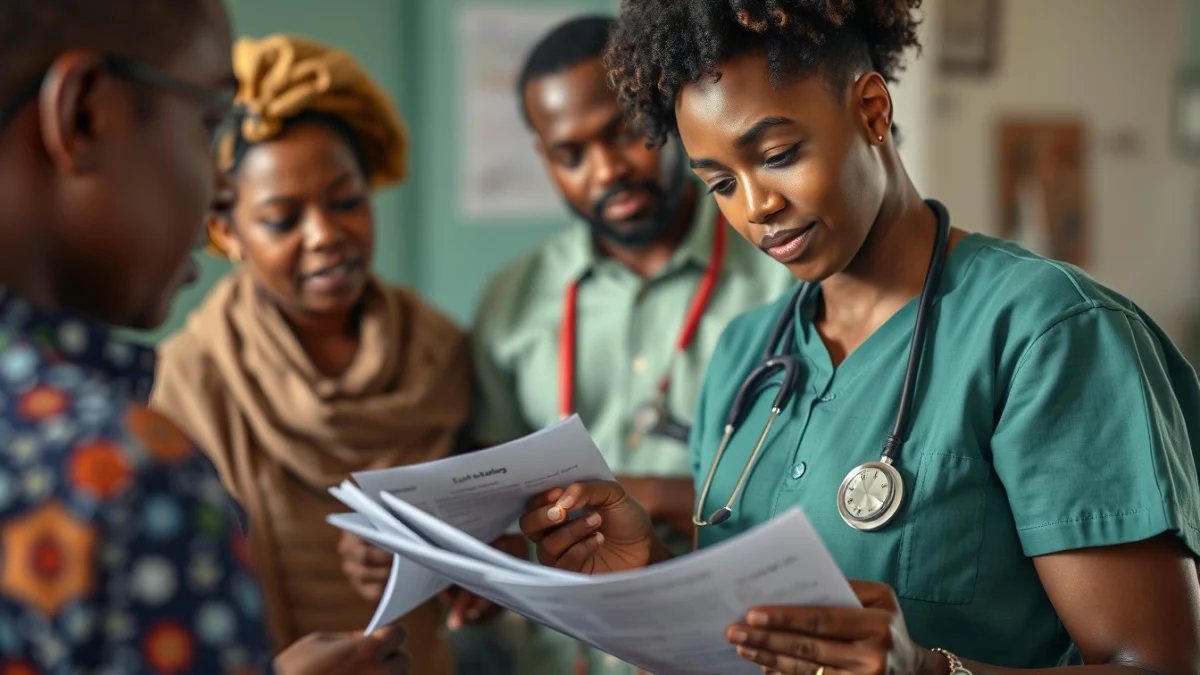
How to Monitor and Report Patient Health in the Community
Monitoring means regularly checking the patient’s health. This includes observing symptoms, measuring vital signs like blood pressure, blood sugar levels, weight, or breathing rate. It also means asking the patient how they feel, if they have any pain or new problems, and if they are following their treatment plan properly.
Reporting patient health status means sharing this information with nurses, doctors, or supervisors. Good reports help the healthcare team make decisions about treatment changes or when the patient needs to visit the clinic. Accurate reports also help to spot early signs of complications or worsening illness.
Steps for Effective Monitoring and Reporting
- Set a regular schedule to check the patient’s health status, such as daily, weekly, or monthly.
- Use simple tools like a blood pressure cuff, glucose meter, or symptom checklist.
- Record all information clearly and accurately using patient charts or electronic systems when available.
- Communicate important changes or emergencies immediately to the nurse or healthcare supervisor.
- Encourage patients to describe their feelings and any difficulties they have with medication or lifestyle changes.
- Keep patient information confidential and respect their privacy.
By carefully monitoring and reporting patient health status, Community Health Workers play a key role in preventing complications and improving long-term health outcomes for people living with chronic diseases.
Remember, successful monitoring depends on clear communication, careful observation, and timely reporting. Always follow protocols given by your healthcare team and ask for support if you are unsure.
Live Scenario • Active Situation
You are a Community Health Worker monitoring a patient with hypertension in their home.
There is no single perfect answer. Choose what you would do in this situation.
