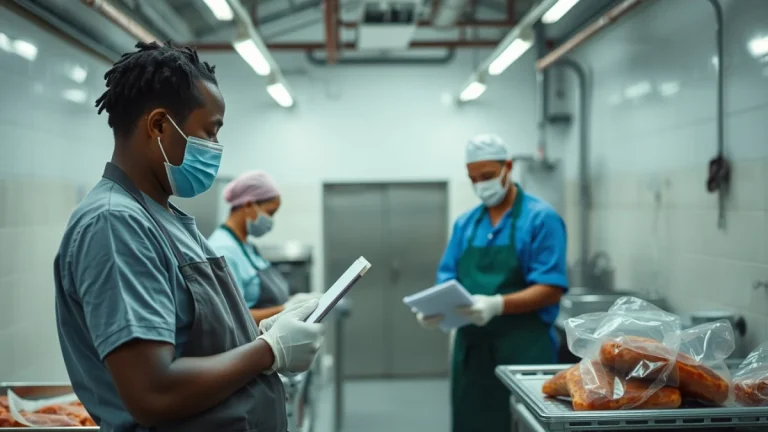
What to Know First About Food Quality Assurance
Starting a Free Food Quality Assurance Fundamentals Course with Certificate in South Africa is a smart move for anyone curious about the food industry or looking to boost their workplace skills. Food Quality Assurance (QA) isn’t just about ticking boxes—it’s a practical way to ensure the food people eat every day is safe, consistent, and meets legal standards. With free online options now available in South Africa, learners can get a solid foundation without any upfront cost.
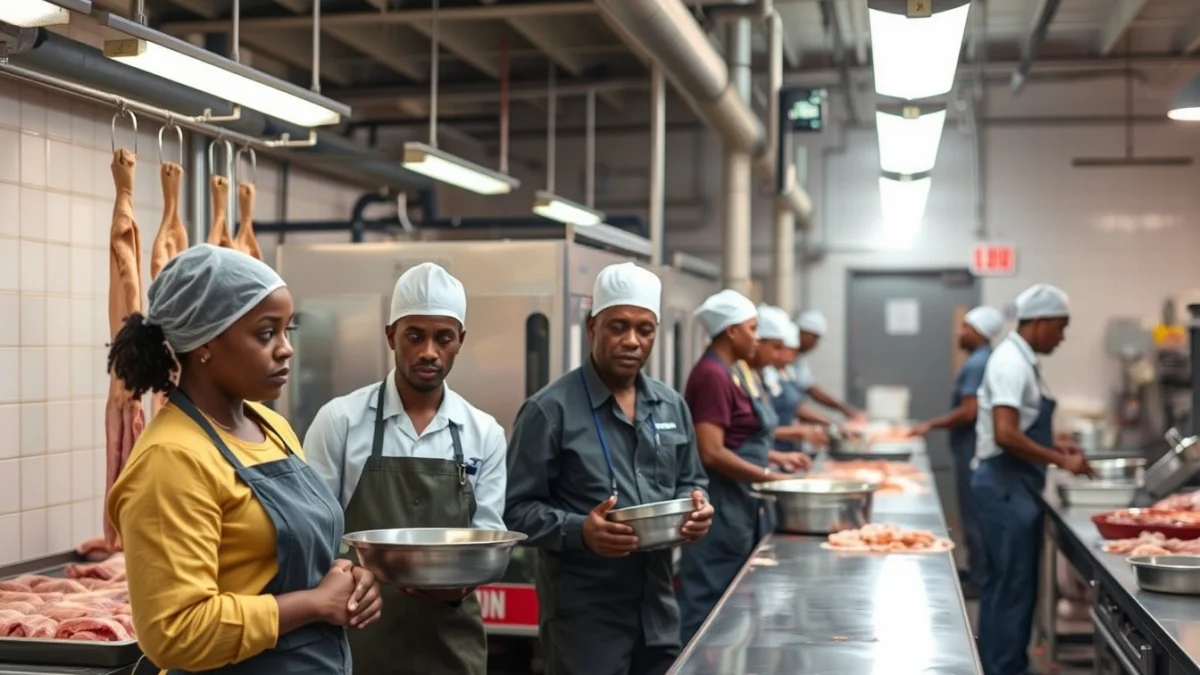
Many beginners feel stuck early on because the field sounds technical and tied to strict regulations. You might worry about not having experience or think the terms are confusing. For example, in real South African factories or food shops, workers often juggle busy shifts with constantly checking products against standards. Missing one step can lead to wasted batches or safety issues, which creates real pressure. Understanding the basics upfront helps ease this pressure by turning complex rules into clear actions.
So, What Is Food Quality Assurance Really?
At its core, Food Quality Assurance covers all the tasks and checks used to make sure food products meet quality and safety expectations. This includes everything from how raw materials are handled and processed to hygiene, storage, and labeling.
For beginners, it’s good to know QA is different from quality control (QC). QA sets the system, rules, and daily actions to prevent problems. QC involves the tests and inspections within that system.
In South Africa’s workplace context, QA helps businesses stay lawful under the South African National Standards (SANS) and protect customers. Failing QA steps can mean costly recalls or damage to a brand. So, the job balances practical routines with the goal of keeping food safe and reliable.
Starting Food Quality Assurance: Step-by-Step for Beginners
Step 1: Learn the Basic Terms and Concepts
- What is food quality assurance and why it matters
- Common terms like HACCP (Hazard Analysis and Critical Control Points)
- Different types of hazards: biological, chemical, physical
Step 2: Understand South African Food Regulations
- Get familiar with local standards like SANS 10330
- Know what businesses must do to comply
- See how international standards like ISO fit in
Step 3: Explore How QA Systems Work in Practice
- Learn how Quality Management Systems (QMS) guide daily activities
- Understand common tools like checklists and quality control charts
- Look at reporting and documentation methods
Step 4: Practice Identifying Risks and Maintaining Hygiene
- Spot hazards in raw materials and processing
- Learn basic hygiene protocols for food handlers
- Understand how sanitation supports quality
Step 5: Apply QA Principles in Real Workplaces
- See how suppliers and transport affect final food quality
- Work with teams to integrate QA into daily tasks
- Use audits to check and improve quality steps
Skills and Requirements for Food Quality Assurance Beginners
- Attention to Detail – Missing a small contamination risk can spoil an entire batch.
- Basic Food Safety Knowledge – Knowing how foodborne illnesses spread keeps you prepared.
- Good Record-Keeping – Accurate documentation can save you from compliance problems.
- Communication Skills – Talking clearly with suppliers and team members helps spot and fix issues fast.
- Willingness to Learn – QA rules and technologies evolve; staying updated matters.
Some think you need years of experience before starting QA, but many courses designed for beginners do not require prior knowledge. The key is learning step by step and applying it carefully.
Common Beginner Mistakes and How to Avoid Them
Mistake 1: Skipping Documentation
Many newcomers think recording results is just paperwork. It’s not. Without clear records, problems go unnoticed and businesses risk fines. Make logging part of every QA check.
Mistake 2: Confusing QA with Quality Control
A common mix-up is treating QA and QC as the same. QA plans and prevents, while QC inspects and tests. Understanding this helps you focus your efforts right.
Mistake 3: Neglecting Supplier Checks
Assuming suppliers always deliver quality is risky. Beginners often overlook evaluating and approving suppliers carefully, which leads to bad ingredients affecting the entire process.
What to Expect When You Start Studying Food Quality Assurance
The basics cover concepts that may seem dry at first, like regulations or documentation. But soon you’ll see how these fit into everyday routines like checking cleanliness or tracing products through the supply chain.
Expect to spend time practicing with quizzes or case examples that mimic workplace issues. This active learning helps the theory stick.
Remember, the goal isn’t to become a food scientist overnight, but to handle everyday food safety and quality with confidence and care.
Getting Confident and Moving Forward
Once you get comfortable using QA terminology and following checklists, you’ll find your role much less stressful. Your work helps keep people safe and businesses running smoothly — that’s a big deal.
Focus on continuous improvement, ask plenty of questions at work, and lean on your course materials for guidance. It’s normal to feel unsure in the beginning, but steady learning brings confidence.
Action Checklist Before You Start Your Free Online Food Quality Assurance Course
- Confirm your internet access and device for online learning
- Set aside regular study time to stay on track
- Create a quiet, distraction-free study space
- Download or bookmark course materials for quick reference
- Prepare a notebook or digital app for notes and questions
- Review basic food safety concepts from trusted sources for a head start
- Reach out to fellow learners or trainers when stuck