What a Kitchen Assistant Does: The Basics
If you want to know what a kitchen assistant does, it’s all about supporting the kitchen team with simple yet vital tasks. They help keep the kitchen running smoothly, from cleaning and prepping food to handling tools and following food safety rules. For anyone interested in starting out, a free Kitchen Assistant course with certificate in South Africa is an excellent way to learn these skills and get proof of your knowledge without any costs.

Often beginners jump in thinking kitchen work is all about cooking. The reality is that many tasks happen behind the scenes — cleaning work surfaces, chopping vegetables, or fetching supplies — and these duties must be done fast and carefully under pressure. Missing a small step in food safety or dropping the ball on teamwork can disrupt an entire kitchen during a busy lunch rush.
Why Understanding the Kitchen Assistant Role Matters
A kitchen assistant isn’t just a helper; they ensure the kitchen is clean, organised, and ready for chefs to cook safely and efficiently. In South African kitchens, where tight health regulations and busy service hours collide, a mistake like cross-contamination or delayed prep can lead to food waste, customer complaints, or even closure by health inspectors.
Most beginners don’t realise that a kitchen assistant’s role demands focus on food safety and hygiene from the start. It’s not just about hard work, but smart work—knowing the right steps for storing ingredients or cleaning tools to keep food safe.
Key Responsibilities of a Kitchen Assistant
- Food Preparation Support: Washing, peeling, chopping, and weighing ingredients to be ready on time.
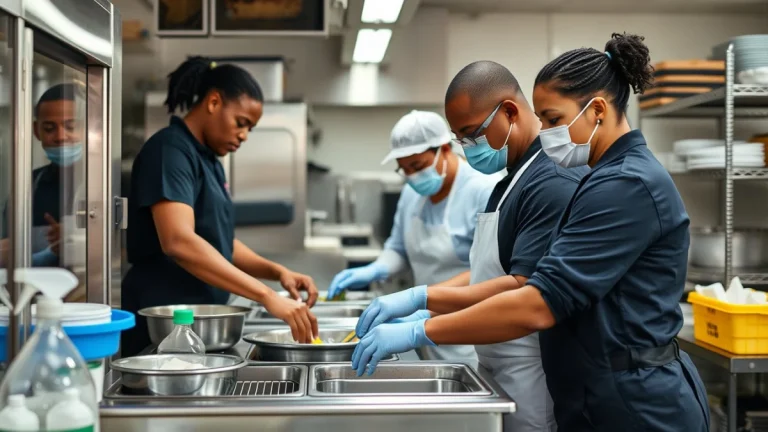
- Maintaining Cleanliness: Handling daily cleaning routines including sanitising surfaces and equipment properly.
- Safe Handling of Food: Following personal hygiene standards and storing food correctly to avoid contamination.
- Using Kitchen Tools Safely: Correctly handling knives and small appliances, plus cleaning and minor maintenance.
- Assisting Kitchen Staff: Communicating clearly and helping chefs and servers during busy periods.
- Managing Waste: Sorting rubbish and recycling to maintain a safe and tidy kitchen environment.
What Being a Kitchen Assistant Looks Like in Real Life
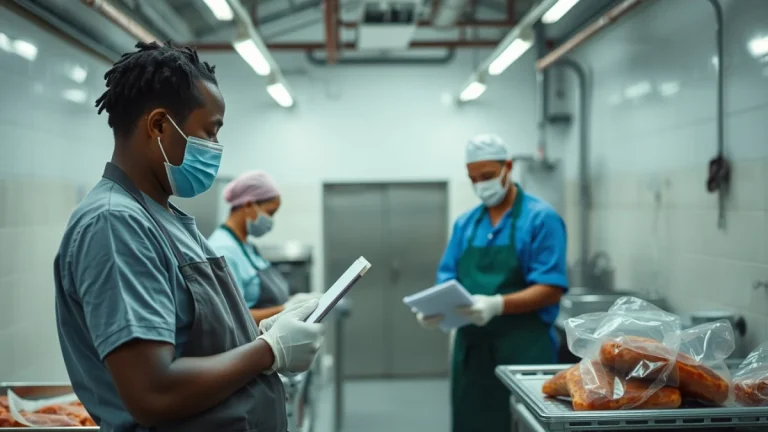
Picture this: the lunch service starts, and the head chef needs chopped onions and tomatoes fast for a stew. The kitchen assistant has to quickly peel and chop without cuts or mistakes, then clean the cutting board before the next task. Meanwhile, the assistant checks that leftover ingredients from the previous day are stored safely or thrown out if expired.
During peak time, the assistant also carries trays of clean plates and empties bins quietly without disturbing the flow. It’s not glamorous, but each small action keeps food flowing smoothly to the customers without delay or health risks.
Common Misunderstandings About Kitchen Assistants
One big misconception is that a kitchen assistant is like a mini-chef. In reality, the role requires less cooking and more preparation, cleaning, and organisation—skills that are essential but often overlooked. Beginners sometimes rush through prep, thinking speed is more important than safety. But this leads to mistakes like cross-contamination, which can cause food poisoning.
Another misunderstanding is underestimating the physical and mental demands. Kitchen assistants stand for long hours, repeat simple but important tasks, and need to deal with heat, sharp tools, and tight deadlines. It’s taxing work but builds a solid foundation for any hospitality career.
Practical Advice for Kitchen Assistant Beginners
- Focus on Food Safety: Learn the basics well. Clean hands, clean space, correct storage—these keep food safe and your kitchen out of trouble.
- Build Team Skills: Kitchens are busy and noisy; communicate clearly and stay aware of others’ needs.
- Stay Organised: Keep your workstation tidy and plan your tasks, so prep and cleaning don’t pile up.
- Watch and Learn: Observe how experienced staff handle tools and timing—it’s the fastest way to improve.
- Don’t Rush Safety Checks: It’s tempting to skip cleaning or sanitising in pressure moments but this causes bigger delays if food safety problems arise.
FAQs About Kitchen Assistant Roles
What skills does a kitchen assistant need?
Do I need formal qualifications to become a kitchen assistant?
What is the workplace like for kitchen assistants in South Africa?
Can a kitchen assistant move up to become a chef?
Start Learning as a Kitchen Assistant Today
If you want hands-on skills and a certificate to show for it, try the Kitchen Assistant free online course with certificate in South Africa. It covers everything from food safety to working with kitchen tools and preparing for a first job. This course fits perfectly if you want beginner-friendly Kitchen Assistant study online free in your own time.