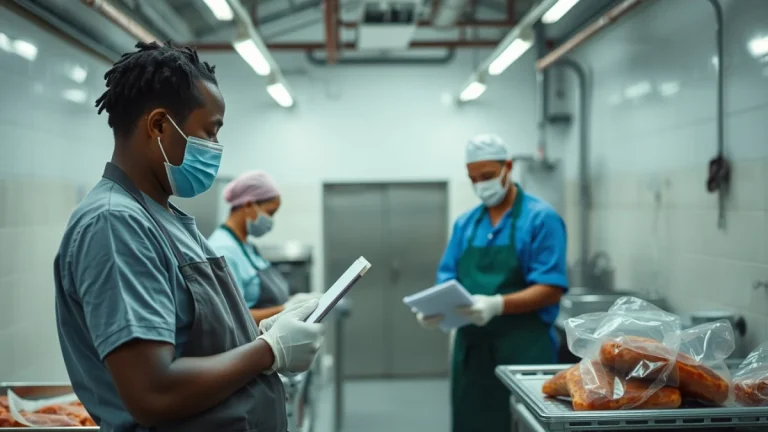
How to Become a Kitchen Assistant in South Africa
If you’re looking to start a career in the food service industry without prior experience, a free Kitchen Assistant course with certificate in South Africa can be your best first step. This course teaches you the basic skills, safety rules, and workplace habits you need to fit into busy kitchens quickly—and the certificate can help convince employers you’re serious.

Many beginners feel lost at the start because kitchens are fast-paced and can be overwhelming. You might find yourself juggling cleaning duties, food prep, and supporting cooks all at once. At times, you may struggle with unfamiliar kitchen tools or worry about food safety rules. Understanding these realities upfront helps you build confidence early, so you’re ready when the pressure hits.
The Main Things to Know First About Becoming a Kitchen Assistant
- You don’t need prior kitchen experience to get started.
- The role focuses on basic but crucial tasks like cleaning, prepping ingredients, and assisting chefs.
- Food safety and hygiene are non-negotiable skills from day one.
- Communication and teamwork are as important as technical kitchen skills.
- A free online Kitchen Assistant course with certificate South Africa offers the practical skills and proof of learning employers look for.
For example, even something as simple as washing vegetables incorrectly or not sanitising a work surface properly can cause serious food safety issues. Knowing this early is an overlooked practical insight many beginners miss—and it’s why you’ll want to focus on food safety basics first.
Step-by-Step: How to Start Your Kitchen Assistant Journey in South Africa
1. Enrol in a Free Kitchen Assistant Online Course South Africa
Start with a beginner-friendly course that covers kitchen tools, food hygiene, and basic cooking steps. The EduCourse Kitchen Assistant training with certificate South Africa is designed for first-timers and gives you the flexibility to study at your own pace.
2. Focus on Food Safety and Hygiene Principles
Most employers expect you to know how to handle food safely before you even clock in. Learn personal hygiene, correct storage, and how to avoid cross-contamination—this builds the foundation for trustworthy kitchen support.
3. Practice Basic Kitchen Tools and Equipment Use
From knives to mixers, getting familiar with kitchen tools prevents accidents and improves efficiency. Safe handling and cleaning are practical skills you can start mastering at home or in the course’s simulated sections.
4. Understand Kitchen Workflow and Team Support
Kitchen assistants rarely work alone. Learning to communicate clearly, support chefs efficiently, and manage time makes you a valuable team member. Start practising these soft skills early.
5. Prepare to Apply for Jobs
With your free beginner Kitchen Assistant course certificate South Africa in hand, update your CV to highlight your skills and training. The course also covers interview tips and workplace expectations to ease your job search.
What Skills and Requirements Do You Need?
- Basic food safety knowledge: Clean hands, safe food storage, preventing contamination.
- Simple kitchen tool handling: Know your knives, peelers, and cleaning materials.
- Time management: Prioritise tasks during busy meal times.
- Teamwork: Communicate clearly, follow instructions, and stay cooperative.
- Physical stamina: Expect to be on your feet and handle some lifting.
- Positive attitude: Willingness to learn and adapt quickly.
Because kitchens move fast, missing a step or delaying a task can slow down the whole team. This shows why accuracy, reliability, and respect for kitchen routines are often more important than advanced cooking skills at the start.
Common Beginner Mistakes and How to Avoid Them
Skipping Food Safety Steps
Beginners may rush food prep and overlook washing hands, sanitising surfaces, or storing food properly. This causes contamination risks and can lose a kitchen valuable time or customer trust. Fix this by memorising key hygiene steps and sticking to them, even under pressure.
Not Asking Questions When Unsure
New kitchen assistants often hesitate to ask how to use unfamiliar tools or perform tasks. This can lead to mistakes or accidents. Most kitchens expect questions and see them as a sign of care and learning—don’t be afraid to seek clarity.
Trying to Do Everything at Once
It’s tempting to jump into multiple tasks, but spreading your focus thin can lead to errors. Learn to prioritise and finish one job properly before moving on.
Ignoring Communication
If you don’t keep chefs and team members informed, you might create confusion about what’s done or needed. Practice clear and simple updates, even if it’s just a quick “station cleaned” or “ingredients ready.”
What to Expect Realistically When You Start
Working as a kitchen assistant in South Africa means long hours on your feet in a fast-moving environment. The pay is often entry-level, so think of this as a stepping stone. You will do lots of repetitive cleaning, chopping, and supporting roles before any cooking.
However, don’t underestimate the importance of your role—without clean, prepped ingredients and organised kitchens, cooks can’t work effectively. Developing reliability and good habits can quickly make you indispensable.
Also, kitchen workplace culture can be tough, with noise and pressure at meal times. Expect to build resilience and learn not to take stress personally. Your first weeks will test your focus and energy, but getting through that will develop useful life skills.
Building Confidence for Your Kitchen Assistant Role
Starting any job without experience is daunting. To build confidence, break your learning into small steps. Master basic hygiene first, then tool handling, then food prep skills. Celebrate passing quizzes or learning new terms.
Remember: Every chef and kitchen helper started as a beginner at some point. Your free kitchen assistant certificate course South Africa is proof you’ve put in the effort to learn. That counts for a lot in hiring decisions.
If you make a mistake, own it quickly and fix it. Most kitchens appreciate honesty and effort, much more than silence.
Checklist: Getting Ready to Work as a Kitchen Assistant
- Complete a free Kitchen Assistant skills course South Africa with certificate
- Learn kitchen hygiene basics — hand washing, sanitising surfaces
- Practice safe use of knives and tools
- Understand basic food prep tasks like washing, chopping, measuring
- Learn kitchen cleaning routines and waste sorting
- Develop basic team communication skills
- Prepare a simple CV highlighting your course and soft skills
- Research entry-level kitchen jobs in your area
- Practice punctuality and professional appearance
- Be ready to show your willingness to learn on the job