What a Food Safety Supervisor Actually Does in South Africa
If you’re thinking about a Free Food Safety Supervisor Course with Certificate in South Africa, you probably want a clear picture of what the role involves day to day. A food safety supervisor isn’t just a title — it’s a hands-on job with real impact on health, compliance, and business reputation. This role makes sure food businesses run safely, protecting customers from foodborne illnesses and helping places stick to South African food law.

For beginners, it’s easy to assume a food safety supervisor just watches or fills in checklists. But the reality at many South African workplaces is much busier. You’ll often be juggling quick decisions to fix hygiene slip-ups, training staff who skip basics, or logging temperature checks under pressure. That early confusion over what “supervising” really is can trip people up.
The Essential Role of a Food Safety Supervisor
Simply put, a food safety supervisor is the on-the-ground keeper of safe food practices in any kitchen, catering, or hospitality setting. Their job is to make sure everyone handling food does so correctly — protecting both customers and the business.
This role includes:
- Checking food handling practices
- Training and coaching staff on hygiene and food safety
- Spotting and fixing risks, like wrong temperatures or poor cleaning
- Keeping records to show compliance with food safety laws
- Leading teams to maintain standards daily
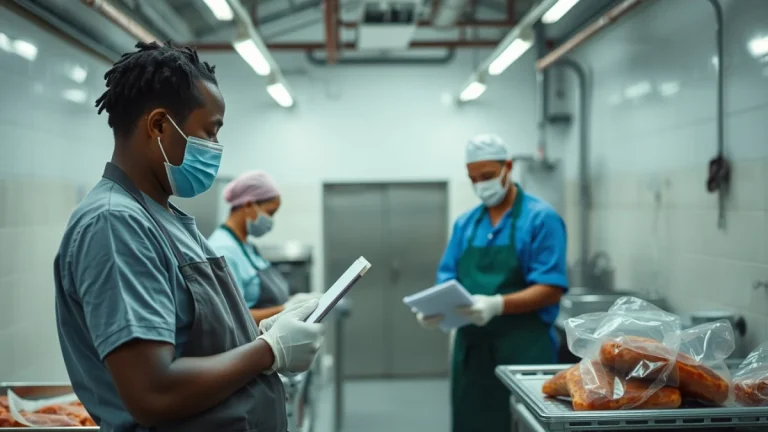
This isn’t just paperwork. In many South African kitchens, these supervisors step in to address problems immediately — for example, stopping a worker who forgets to wash hands before handling food or identifying a pest issue before it grows.
Why Food Safety Supervision Matters in South African Workplaces
Foodborne illnesses still pose a serious threat in South Africa, especially in places serving large numbers of people or with limited resources. A minor slip-up, like a fridge set to the wrong temperature, can lead to expensive waste or customer sickness.
Having a dedicated food safety supervisor means there’s someone tasked solely with preventing these risks. This role supports the business’s legal obligation to follow food safety laws like R638, which requires certain workplaces to appoint a trained supervisor.
Beyond legal reasons, clients expect safe food and good hygiene. A supervisor helps protect the business from bad reviews, inspections, or costly lawsuits.
What Does a Food Safety Supervisor Do Every Day?
Most newcomers expect a food safety supervisor’s work to be mainly managerial or office-bound. But the job usually mixes hands-on tasks with leadership routines. Here’s what a typical day looks like:
- Morning checks: Verifying staff personal hygiene and handwashing stations are ready and stocked.
- Temperature monitoring: Checking fridges, freezers, and cooking temps several times daily, recording results.
- Spot inspections: Walking kitchen areas to spot poor cleaning, possible contamination, or safety hazards.
- Staff coaching: Reminding or training team members on safe food handling and cleaning routines.
- Log keeping: Filling in or reviewing food safety documents as proof for inspections.
- Reporting: Notifying management if issues need fixing, from pest sightings to waste problems.
One common beginner mistake: thinking the job is just ticking boxes. You’ll actually need to speak up, influence others, and sometimes resolve conflicts when people resist rules.
The Main Responsibilities Broken Down
1. Enforcing Good Hygiene
Food safety supervisors make sure workers follow strict hygiene, including proper handwashing, wearing clean protective clothing, and reporting illness. Missing this is a common cause of contamination outbreaks.
2. Temperature Control and Food Storage
Proper storage temperatures stop bacteria growth. Supervisors measure temperatures regularly and ensure foods stay in safe zones — no guesswork allowed.
3. Cleaning and Sanitising
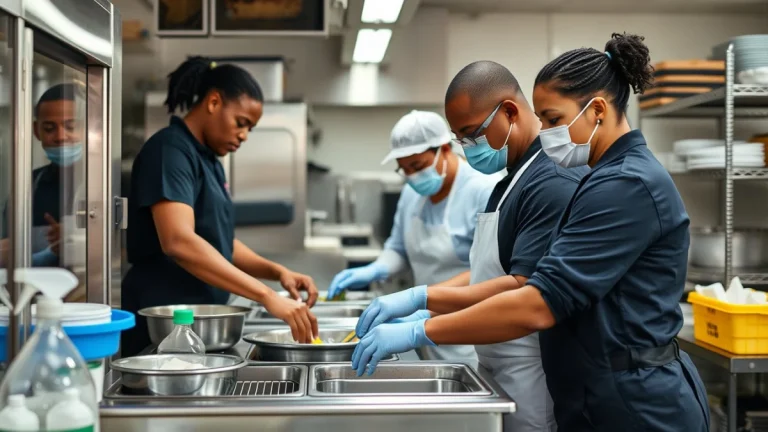
A supervisor ensures cleaning schedules are followed and that sanitizers are used correctly. Cross-contamination during cleaning is a hidden hazard often missed by beginners.
4. Pest Control and Waste Management
Keeping pests away and waste handled hygienically prevents disease. Supervisors check for signs of pests and that waste disposal meets standards.
5. Food Safety Laws and Documentation
South African law expects documented proof of safety procedures. Supervisors keep these records and ensure their workplace complies with national standards.
6. Training and Leading Teams
Supervisors regularly train staff on procedures, keeping everyone updated and motivated to stick to rules.
7. Inspections and Risk Assessments
Part of the job is doing regular inspections, spotting risks, documenting findings, and driving corrective actions.
A Realistic Workplace Scenario
Imagine a busy small restaurant in Johannesburg. The food safety supervisor arrives and notices a worker forgot gloves while preparing salads. Instead of ignoring it, the supervisor stops the worker, reminds them of the risks, and offers to run a quick refresher on safe hand practices. They also check the fridge temperature and find it slightly high due to a faulty seal. They report this immediately to management to arrange a repair before customers are affected.
This mix of hands-on intervention and reporting is typical. Supervisors need to keep alert and act quickly to prevent health risks and avoid penalties.
Common Misunderstandings About Being a Food Safety Supervisor
- It’s only about paperwork: Many think the role is mainly admin, but most supervisors are very active in daily kitchen work.
- Once trained, no ongoing learning: Food safety rules and challenges change; supervisors must stay updated constantly.
- Supervisors can delegate all responsibilities: While they lead teams, supervisors are still responsible for final compliance.
- Food safety is only the supervisor’s job: Everyone must follow procedures, but the supervisor leads and enforces the culture.
Advice for Beginners Starting as Food Safety Supervisors
- Understand legislation but focus on practical problem-solving every day.
- Communicate clearly and kindly with team members to encourage compliance.
- Be hands-on—don’t just watch. Your daily presence prevents accidents.
- Keep good records; they help you and the business during inspections.
- Learn how to handle resistance from staff calmly but firmly.
- Review temperature logs and cleaning schedules daily—don’t just trust memory.