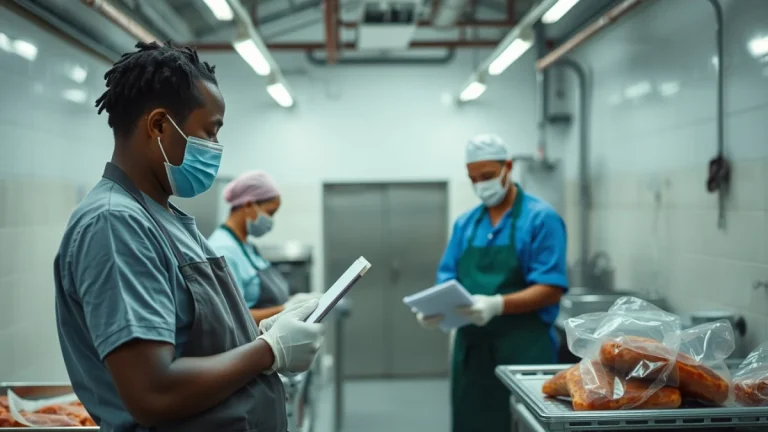
Starting Out: What It Means to Be a Food Safety Supervisor in South Africa
If you’re wondering how to become a food safety supervisor in South Africa, it’s good to start with the basics. This role involves overseeing food safety practices in workplaces like restaurants, catering, or food production. A Free Food Safety Supervisor Course with Certificate in South Africa can open doors for beginners who want to step into this important role without prior experience.

Many new learners feel overwhelmed because food safety rules seem complicated and the idea of supervising others feels like a big responsibility. Imagine being in a busy kitchen where a small mistake—like storing raw meat next to vegetables—can cause serious problems. Knowing what to watch for and how to lead others safely is key. The right training gives you that clarity and confidence right away.
What to Know First: The Core Duties of a Food Safety Supervisor
At its simplest, a food safety supervisor makes sure food is prepared, stored, and served safely to avoid illness. This includes checking hygiene, temperature controls, cleaning routines, pest management, and legal compliance.
- Leading food handler training and enforcing hygiene.
- Maintaining clean and safe food areas and equipment.
- Monitoring storage and cooking temperatures to prevent contamination.
- Conducting daily checks and risk assessments.
- Keeping records and reports as required by law.
For someone just starting, these may sound like a lot. But a free online food safety supervisor course in South Africa breaks it down step-by-step and focuses on what matters most in a South African workplace.
How to Get Started Step-by-Step
- Find a free online food safety supervisor course with certificate. This makes studying easier as you can learn at your own pace and get a certificate to show your new skills.
- Start with the basics. The course will cover food safety principles, common illnesses in South Africa, and how to prevent contamination — the building blocks you can apply immediately.
- Practice real-world scenarios. Follow lessons on hygiene practices, temperature checks, cleaning, pest control, and compliance to see how supervisors handle daily tasks.
- Take the quizzes seriously. They are designed to prepare you for workplace decisions and ensure you understand risks and solutions.
- Use the certificate to apply for beginner roles or workplace internships. Many food businesses look for supervisors who have formal food safety training, even if they have no experience.
Skills and Requirements You’ll Need as a Beginner
No previous food safety experience? No problem. What truly matters is:
- Basic understanding of hygiene and safety rules.
- Attention to detail to spot risks before they cause problems.
- Good communication skills to lead and train food handlers.
- Basic record-keeping and reporting abilities.
- A willingness to learn and stay updated on South African food laws.
Remember, supervisors don’t work alone. You’ll often have support from health inspectors or more experienced colleagues as you grow in the role.
Common Beginner Mistakes and How to Avoid Them
One hidden mistake many beginners make is treating food safety as a checklist rather than a daily mindset. For example, just ticking boxes for cleaning won’t help if cross-contamination still happens in practice. It’s important to understand why each rule exists.
Another issue is not speaking up when staff cut corners. New supervisors often hesitate to challenge team members. But keeping quiet can lead to real food safety risks, customer complaints, or even business closure.
Failing to keep records properly is also a frequent problem. Documentation is vital for proving you followed legal requirements and for identifying where improvements are needed.
Fix these by thinking like a detective: spot problems early, act firmly but respectfully, and keep clear records.
Realistic Expectations: What the Job Looks Like Daily
Being a food safety supervisor is hands-on and sometimes stressful, especially when kitchens get busy. You might spend mornings checking deliveries, afternoons training new staff, and evenings reviewing cleaning logs.
You must stay alert for workplace hazards like pests or temperature fluctuations and respond quickly. Mistakes can lead to foodborne illness outbreaks, which harm both customers and your employer’s reputation.
It’s normal to feel challenged at first, but most supervisors find their confidence grows as they see the positive impact of good food safety on everyday operations.
Building Confidence: Why Starting with a Free Course Works
Many beginners worry that lack of experience will hold them back. The truth is, food safety supervisors come from all backgrounds. South African hospitality and food businesses often need reliable supervisors who understand local risks and laws.
Completing a free food safety supervisor certificate course online gives you a low-risk way to build knowledge, pass employer requirements, and show you’re serious. It’s a practical step that makes the job feel less mysterious and more like a set of clear tasks you can handle.
Your Action Checklist to Start
- Choose a free online food safety supervisor course with certification in South Africa.
- Complete all lessons focusing on South African food safety laws and workplace realities.
- Practice quizzes to test your knowledge and understanding.
- Start applying for beginner supervisor roles or internships, highlighting your certificate.
- Once hired, use your course notes to guide daily safety checks and staff training.
- Ask questions and learn from experienced colleagues on the job.
- Keep updated on changes in South African food safety regulations.