What Being a Food Production Assistant Really Means
If you’re looking for a clear picture of what a food production assistant does, this guide is for you. A food production assistant helps with the day-to-day tasks involved in preparing, handling, and storing food safely in kitchens, food manufacturers, and catering businesses. This role is key in South Africa’s food industry, where hygiene and quality standards are critical.
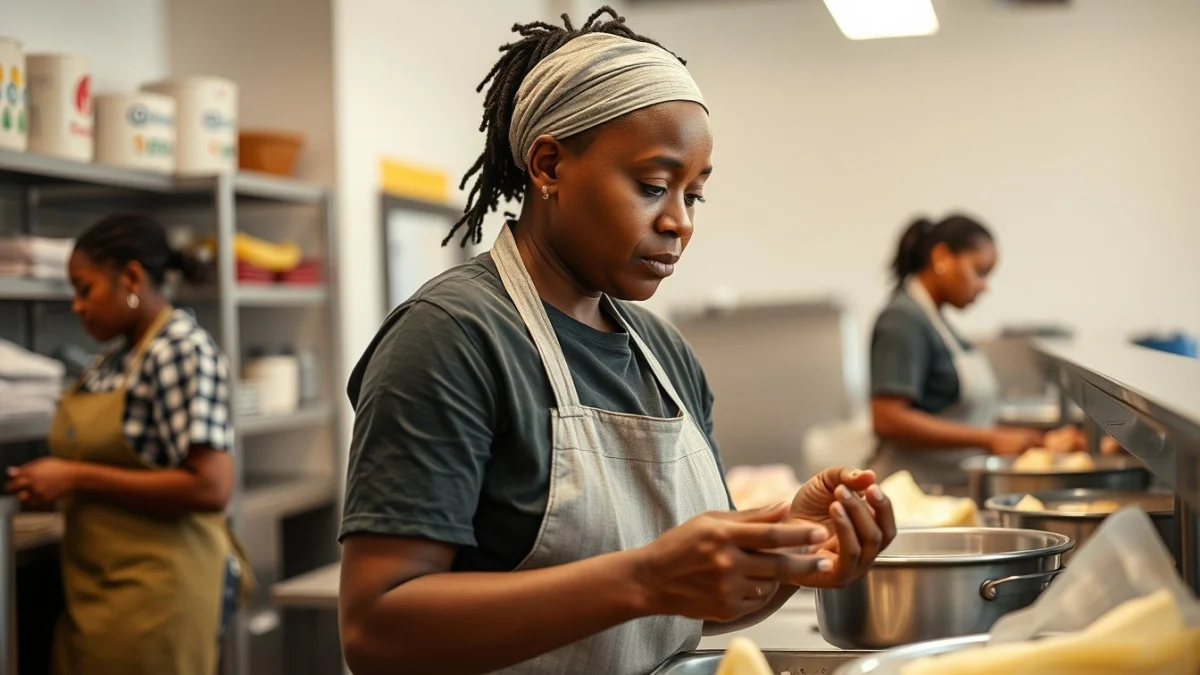
One common challenge is knowing exactly what your responsibilities are and how to avoid simple mistakes like cross-contamination or poor time management under pressure. Many beginners jump into food production without enough clarity about workplace safety or the importance of teamwork, which leads to stress and errors. The busy kitchen environment is not just about cooking — it’s also about strict routines, cleaning, and careful documentation. Those who skip basics like labeling or hygiene often find themselves causing delays or worse, food safety issues.
What to Know First: The Main Role of a Food Production Assistant
At its core, a food production assistant supports cooks and chefs by handling routine but essential tasks that keep food preparation running smoothly and safely. This isn’t just a helper job; it requires attention to detail, following food safety rules, and being able to work as part of a team. In South Africa, where food laws and regulations around safety and hygiene are strict, the assistant plays a crucial role in preventing contamination and ensuring quality.
- Handling raw and cooked food correctly to avoid contamination
- Following cleaning schedules and sanitation routines
- Operating simple food production tools safely
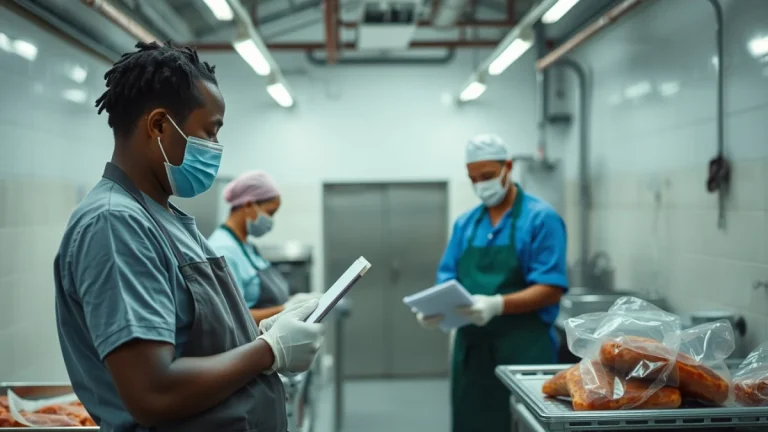
- Recording temperature and hygiene checks accurately
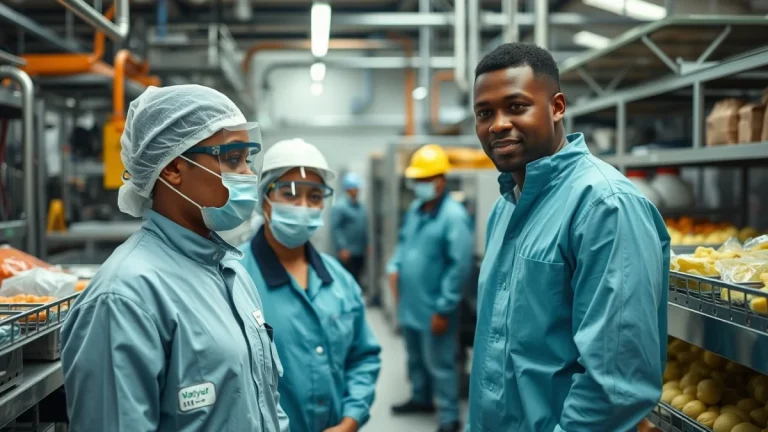
- Understanding and wearing personal protective equipment (PPE) properly
Realising the weight of these tasks early helps beginners adjust faster. For example, poor hand hygiene leads to contamination — which can shut down a kitchen or cause illness.
The Day-to-Day: Key Responsibilities and What They Involve
1. Food Safety and Personal Hygiene
Food safety is the backbone of this role. Assistants must follow hygiene practices strictly, including washing hands properly, wearing clean uniforms, and avoiding touching cooked food with bare hands. Otherwise, harmful bacteria can spread quickly.
2. Food Handling and Storage
Knowing how to handle raw meats separately from cooked foods prevents cross-contamination. Additionally, temperature control during storage ensures food stays fresh and safe until it’s used. Labeling and dating items correctly is a simple but often overlooked part.
3. Cleaning and Equipment Care
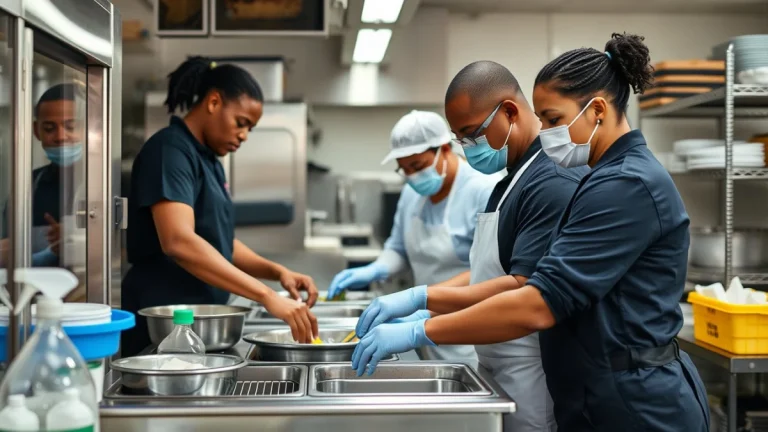
Assistants run cleaning routines for work surfaces, tools, and equipment to reduce pest risks and microbial growth. Understanding which tools need sanitizing and how to dispose of waste properly maintains workplace safety. Skipping these steps can create hazards and lead to workplace shutdowns for health violations.
4. Health and Safety Awareness
Food production isn’t just about food — it’s a workplace with potential hazards. Assistants must recognise risks, use PPE correctly, and know emergency steps for accidents or spills. A common beginner mistake is ignoring PPE use because it slows things down, but this puts everyone at risk.
5. Quality Control
Keeping an eye on food quality means checking freshness, appearance, and reporting any faults immediately. This prevents waste and protects customers. The assistant’s observations help managers fix problems quickly before they escalate.
A Real Workplace Moment: What Beginners Often Experience
Imagine starting a shift during a busy lunch run. Orders pile up, temp checks need recording, and you must keep cleaning on schedule. It’s easy to get overwhelmed. A typical mistake is rushing and mixing raw and cooked items, or forgetting to label containers. These slip-ups can lead to wasted food or, worse, customer complaints about food safety.
Experienced assistants know that staying calm and following checklists helps even on the busiest days. Time management and good communication with the kitchen team make a big difference.
Common Misunderstandings About This Role
- It’s just cleaning: While cleaning is important, the assistant’s job is much broader — it includes active food handling, safety checks, and teamwork.
- No skills needed: Many think the role needs little training. In reality, understanding food safety principles and operational procedures avoids costly mistakes and protects health.
- It’s easy work: Kitchen environments can be hectic and physically demanding. Attention to detail under pressure is vital and takes practice to build.
Advice for Beginners Starting as a Food Production Assistant in South Africa
- Learn the basics of food safety and hygiene early. Don’t skip hand-washing or PPE use, even if busy.
- Ask questions when unclear. It’s better to confirm protocols than to guess and risk errors.
- Keep calm under pressure. Use routines and checklists to stay on task during busy shifts.
- Respect the team dynamic. Communication and cooperation with chefs and other assistants matter.
- Document carefully. Accurate logs for cleaning and temperature help the whole kitchen run safely.