Starting a Career as a Food Production Assistant in South Africa
If you’re wondering how to become a food production assistant in South Africa, this free food production assistant course with certificate in South Africa is a great place to start. It’s designed specifically for beginners with no previous experience and helps you build the core skills employers look for in food production settings.
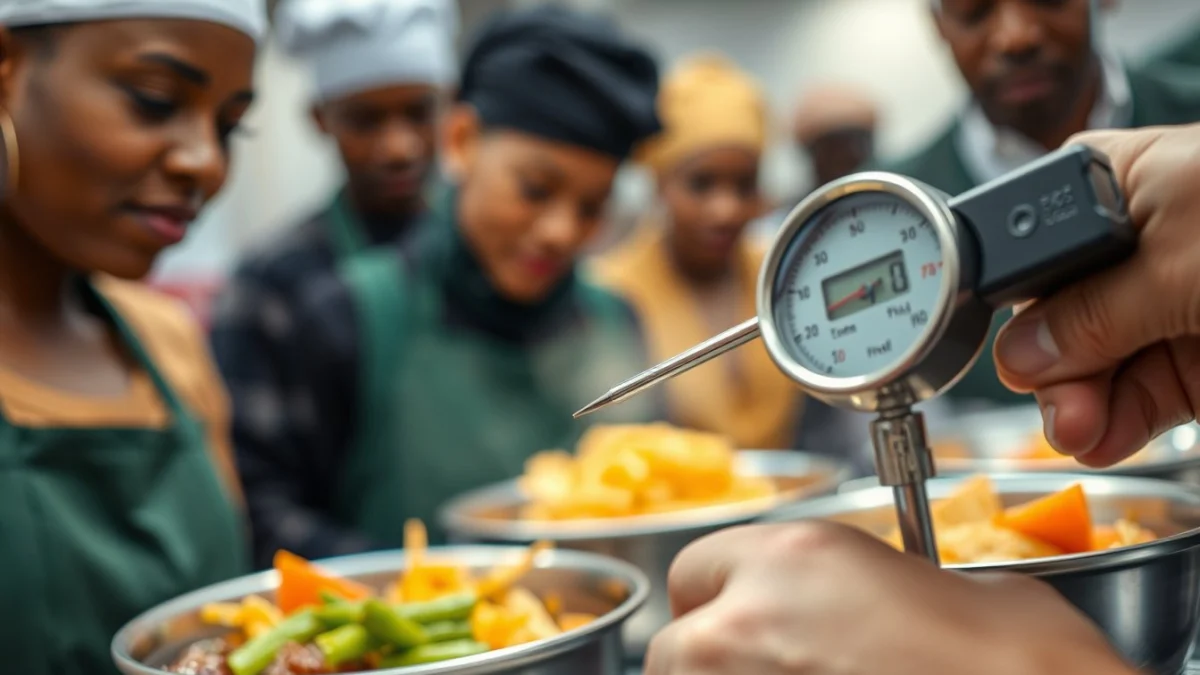
Many beginners feel overwhelmed at first—tasks can feel rushed, hygiene rules strict, and the work environment fast-paced. For example, even knowing when to wash hands at the correct times can be tricky but is absolutely vital to avoid contamination. This hands-on reality can be a real eye-opener. Understanding what you’ll do daily will help you feel prepared, reduce mistakes, and build confidence on the job.
What to Know First About Being a Food Production Assistant
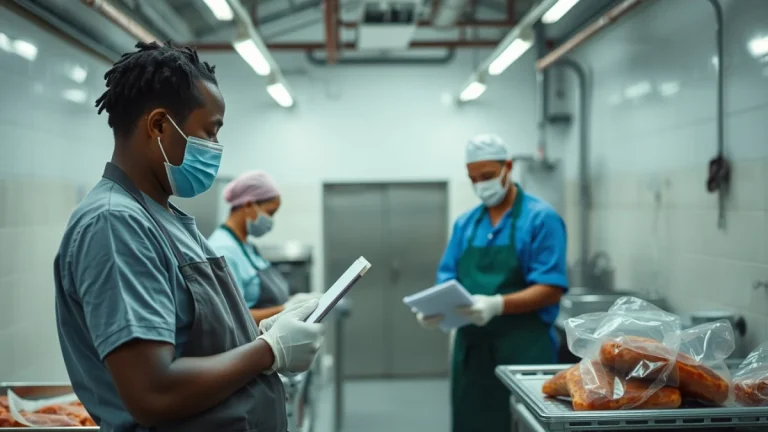
At its core, a food production assistant supports the safe and efficient preparation of food. This includes handling ingredients safely, assisting with cleaning, following food safety principles, and making sure products meet quality standards. The role requires attention to detail and teamwork but does not need prior experience.
The free online food production assistant course SA covers these basics clearly and includes practical training elements to prepare you for everyday workplace challenges. You’ll gain a certificate free of charge upon completion, which lets potential employers see your proactive learning.
Step-by-Step Process to Get Started
- Sign up for a free food production assistant course South Africa like the one offered by EduCourse at https://www.educourse.co.za/courses/food-production-assistant/.
- Complete introductory lessons covering key responsibilities and workplace roles.
- Learn food safety and personal hygiene principles. These form the backbone of safe food handling.
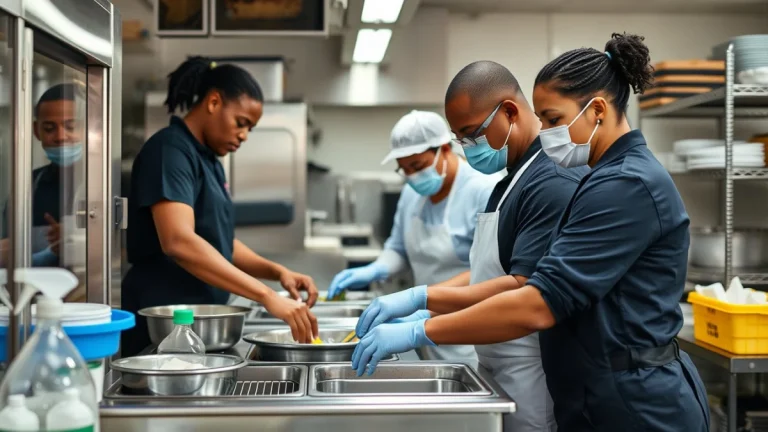
- Practice safe food storage and cleaning methods. Even simple steps like labeling correctly avoid costly mistakes.
- Understand equipment use and basic maintenance. Knowing how tools work keeps you and your team safe.
- Master workplace health and safety basics. Recognize hazards and emergency procedures early.
- Complete final practical and review quizzes. These consolidate learning and prepare you for on-the-job tasks.
Key Skills and Requirements for Beginners
- Cleanliness and hygiene discipline – Keeping yourself and your workspace clean is a top priority.
- Attention to detail – Small errors like mixing raw and cooked foods can cause contamination.
- Basic food handling knowledge – You don’t need to cook like a chef, but you must understand safe prep steps.
- Teamwork – Food production is a group effort. Communicating with others matters.
- Willingness to learn and follow instructions – No one expects perfection on day one, but being open to feedback is key.
- Physical stamina and reliability – The job often requires standing for long periods and working on a schedule.
Common Beginner Mistakes to Watch For
One big mistake is underestimating the strict hygiene standards. Forgetting to wash hands after handling raw food is common, but it risks serious contamination. Another is poor labeling — mixing dates or not writing correct storage details leads to waste or safety issues.
Some beginners also rush tasks, especially in busy kitchens, and miss steps like sanitizing equipment properly. This can cause pest problems or health code violations. The best fix is to slow down, follow checklists, and ask questions when unclear.
Realistic Workday Expectations in Food Production
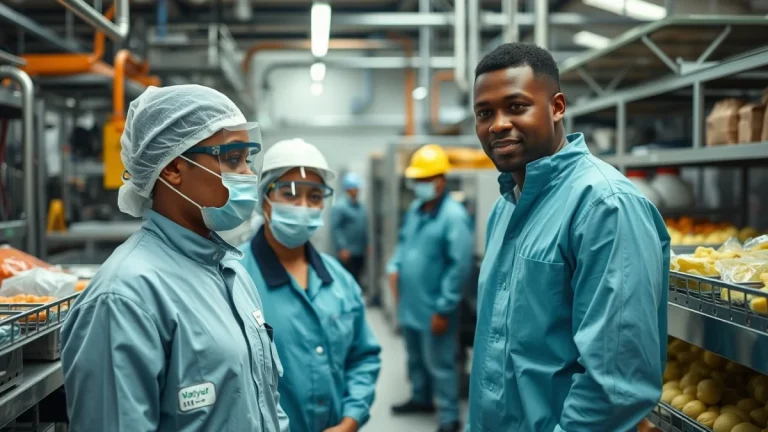
A typical day involves repetitive but critical tasks: measuring ingredients, cleaning surfaces, monitoring food temperatures, and working with different teams. The environment is often hot and noisy. You’ll need to stay alert to quickly spot any quality or safety problems before they escalate.
Workplace supervisors expect steady reliability more than creative innovation at entry level. Mistakes can mean food spoilage or safety risks, so it’s crucial to be consistent. The pressure can feel high, but the free certificate course prepares you well by simulating these scenarios.
Building Confidence for Your New Food Production Role
Remember, many food assistants start with no experience and learn by doing. Getting a free food production assistant certificate course online South Africa shows employers you’ve taken the initiative to gain essential skills. It also helps you understand what to expect and how to avoid common mistakes.
Confidence grows with each task you complete safely. Don’t hesitate to revisit training materials or ask your team for tips. Every small win builds your experience and job security.
Action Checklist to Kickstart Your Food Production Assistant Journey
- ✔ Register for the free online food production assistant course with certificate South Africa.
- ✔ Learn the basics of food safety and hygiene before starting work.
- ✔ Practice cleanliness, temperature control, and proper food handling.
- ✔ Master the use and cleaning of kitchen equipment.
- ✔ Understand your workplace’s health and safety rules.
- ✔ Complete quizzes to test your knowledge and readiness.
- ✔ Use your certificate to apply confidently for food assistant roles.
- ✔ Keep learning on the job—ask questions and observe safety carefully.