Kitchen Assistant Duties and Responsibilities in Restaurants
If you’re starting to explore the role of a kitchen assistant, especially through a Free Kitchen Assistant Course with Certificate in South Africa, you need a clear picture of what the job really means day to day. In restaurants, kitchen assistants are the backbone of smooth kitchen operations, handling many hands-on tasks that keep the kitchen running safely and efficiently.

Beginner learners often expect the job to be just about washing dishes or chopping vegetables. But in practice, kitchen assistants deal with a fast-paced environment where food safety slips or poor equipment handling can quickly cause problems. For example, a common workplace pressure is maintaining hygiene during busy meal times, where simple mistakes may lead to food contamination or delays.
What Does a Kitchen Assistant Actually Do?
At its core, a kitchen assistant’s role involves supporting the kitchen team by managing basic food prep, cleaning, and safety tasks. Their work ensures chefs and cooks can focus on cooking while health and safety standards are met around the kitchen.
- Washing, preparing, and storing ingredients properly
- Cleaning work surfaces, equipment, and utensils regularly
- Handling kitchen tools and machinery safely
- Following food safety and hygiene rules without fail
- Assisting chefs with simple prep and maintaining workspace order
- Disposing of waste and managing recycling correctly
- Observing kitchen safety, using protective gear when needed
- Communicating clearly with the kitchen team
Breaking Down the Key Duties and Why They Matter
Food Safety and Hygiene
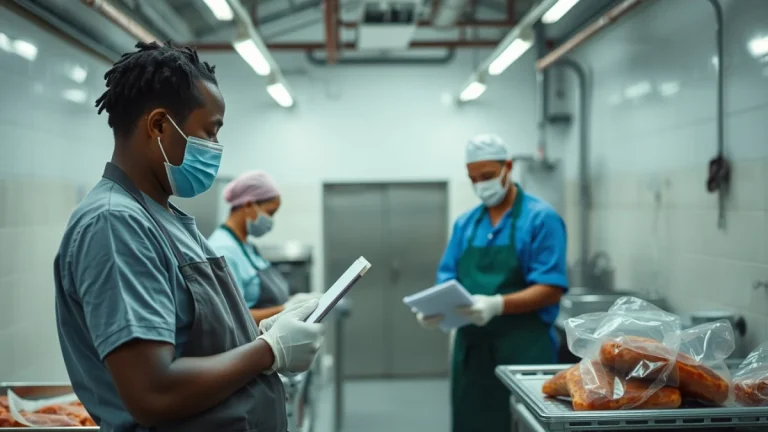
Food safety isn’t just a checkbox—it’s a constant duty. Kitchen assistants must know how to stop cross-contamination, keep raw and cooked foods apart, and maintain spotless surfaces. In busy South African kitchens, the risk of foodborne illnesses is real if rules slip.
Proper Use and Care of Kitchen Tools
Kitchen assistants usually work with knives, peelers, cutting boards, and electrical appliances. Knowing how to use these tools safely and keep them clean extends their life and prevents injuries. A common beginner mistake is rushing when using sharp tools, which causes accidents or damaged equipment.
Food Prep Basics
Simple prep duties like washing vegetables, measuring ingredients, and portion control are essential. Accurate prep helps chefs cook consistently and reduces waste. Learning these right from the start saves time during busy service hours.
Cleaning and Waste Management
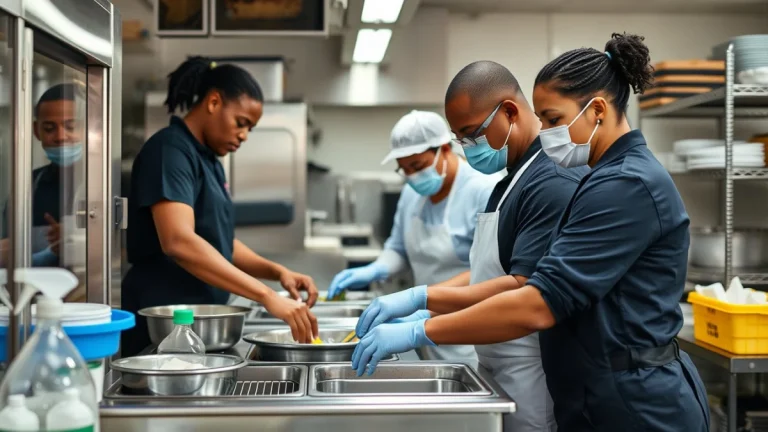
Cleaning is much more than scrubbing dishes. It includes sanitising surfaces, disposing of waste correctly, and maintaining a tidy kitchen. Overlooking small cleaning tasks can lead to unsafe work environments or attract pests, which is a serious issue in any kitchen.
Health and Safety Awareness
Awareness of risks such as hot surfaces, sharp objects, and slips is critical. Kitchen assistants need to use protective equipment and know emergency steps like first aid and fire protocol. Many beginners underestimate how much alertness is needed to stay safe.
Team Support and Communication
Kitchen assistants are part of a team that must work closely together. Good communication and cooperation speed up the whole cooking process. Beginners often find the pace and noise a challenge, but learning clear signals and responses is essential.
A Realistic Kitchen Assistant Workplace Scenario
Imagine it’s lunchtime at a busy restaurant in Cape Town. Orders are flooding in, chefs are focused on plating, and waiters are pushing for quick service. The kitchen assistant’s station is a whirlwind of activity: washing prep vegetables, re-stocking the fridge with fresh ingredients, wiping down surfaces to prevent contamination, and handling kitchen waste. They must move quickly but carefully to avoid cuts or spills while keeping the kitchen running without a hitch.
A small slip, like not sanitising a chopping board after cutting raw meat, can delay service, cause hygiene issues, and draw management’s attention. This stress point highlights why the kitchen assistant’s duties aren’t just “basic” but pivotal.
Common Mistakes and Misunderstandings
- Thinking all cleaning is the same: Not all kitchen cleaning tasks are equal. Sanitising surfaces with the correct chemicals after raw food prep is vital. Water and soap alone don’t cut it.
- Rushing with sharp tools: Beginners often try to speed up chopping or peeling and cause injury or spoil food.
- Ignoring food storage rules: Stacking foods incorrectly or storing leftovers at the wrong temperature can cause spoilage and health risks.
- Skipping communication: Not updating chefs or managers about low stock or broken equipment causes workflow disruptions.
Advice for Beginners Starting as Kitchen Assistants
Start slow and focus on mastering food safety and hygiene. These basics shape your entire work quality and help avoid mishaps. Don’t be afraid to ask questions or request help on new tools or tasks. Practice patience — kitchens move fast, but safety and cleanliness always come first.
Also, learn the kitchen layout and keep your workstation organised. This not only speeds up your work but reduces mistakes. Remember, everyone on the team depends on your role to keep things flowing.