Getting a Kitchen Assistant Job with No Experience: What to Know First
Looking for a free Kitchen Assistant course with certificate in South Africa is a smart move if you want to break into the foodservice industry without prior experience. Kitchen assistants are the backbone of any busy kitchen, helping chefs and cooks run smoothly. Many people don’t realise that with no previous skill, you can start learning kitchen basics online for free, then prove your knowledge with a certificate to boost your job chances.

Starting as a kitchen assistant often means facing fast-paced conditions, sharp tools, and strict hygiene rules. It’s common for beginners to feel overwhelmed by kitchen jargon, timing demands, or the pressure of keeping things clean and safe. One real challenge is knowing how to handle knives safely or how to avoid cross-contamination—even a small slip can cause food safety issues or slow down the whole kitchen.
What Does a Kitchen Assistant Do?
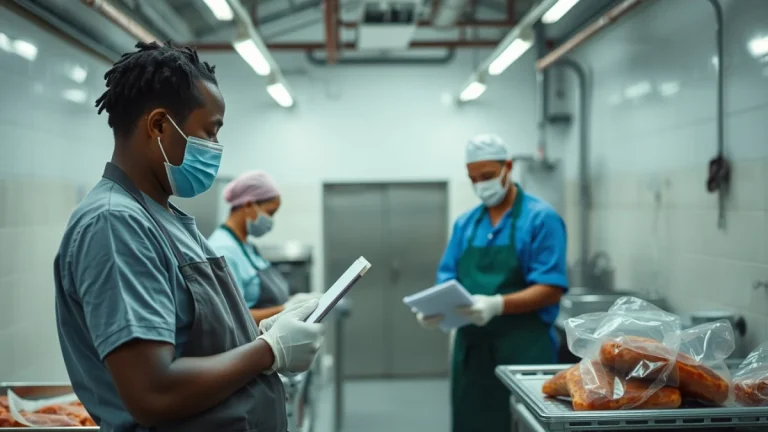
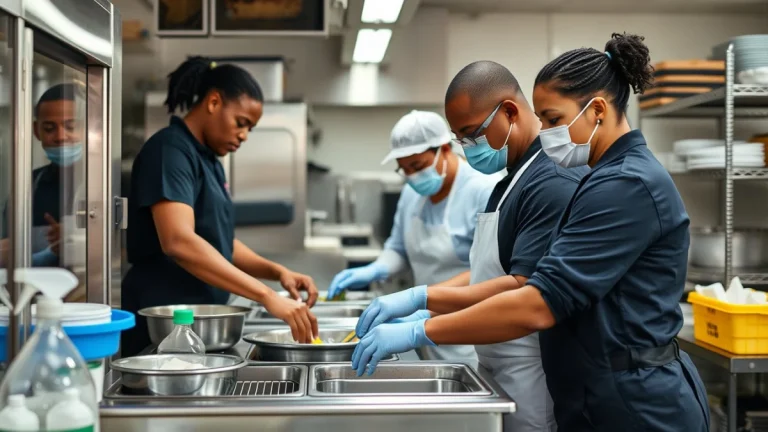
A kitchen assistant supports all kitchen activities. Your responsibilities include cleaning, preparing ingredients, handling tools, and maintaining hygiene. You’ll chop vegetables, wash dishes, clear tables, and help set up cooking stations. While it sounds simple, the role demands attention to detail and teamwork to prevent mistakes that could disrupt meal service.
For example, in a busy South African restaurant, if you mix raw chicken with vegetables in the wrong area, you risk food poisoning outbreaks. Employers expect assistants to work quickly yet carefully and follow safety procedures strictly even under pressure.
Core Skills Needed to Succeed
- Food safety and hygiene: Understanding bacteria risks, proper handwashing, and storing food correctly.
- Kitchen tools knowledge: Knowing how to handle knives, peelers, and appliances safely.
- Physical stamina: You’ll spend hours standing, lifting, and moving quickly.
- Communication skills: Clear messages with your team avoid delays and errors.
- Attention to detail: Keeping workspaces clean and ingredients organised is vital.
One mistake beginners often make is rushing during prep, which leads to uneven cuts or missing steps in cleaning. This may seem minor but can cause safety hazards or slow down kitchen workflows.
How to Get Qualified: The Learning Path
While many kitchen assistant jobs don’t require formal training, completing a free Kitchen Assistant online course South Africa with certificate helps you stand out. These courses cover food safety, hygiene, tool use, and basic cooking skills. They also teach workplace behaviour—something employers check closely.
South African learners can study online in their own time, gaining a free Kitchen Assistant skills course South Africa that adds credibility when applying for jobs. Having a certificate shows you understand key workplace requirements and can follow protocols, making managers more likely to hire you.
Where Are Kitchen Assistants Needed?
Kitchen assistants work in:
- Restaurants and cafes
- Hotels and lodges
- Catering companies
- Hospitals and schools
- Event venues and functions
The hospitality industry in South Africa often runs on tight schedules with high standards for hygiene, especially post-Covid. This means reliable kitchen assistants are always in demand.
Career Growth From Kitchen Assistant Roles
A kitchen assistant job is a solid entry point into hospitality. With some experience and further training, you can progress to roles like prep cook, chef’s assistant, or food handler. Employers value workers who show initiative, learn fast, and master food safety.
Some kitchen assistants build a career by specialising in areas like butchery or baking or move into supervisory roles. Understanding kitchen workplace skills and safety puts you on track for growth.
What Salary to Expect
Entry-level kitchen assistants usually earn between R4,000 and R7,000 per month in South Africa, depending on location and employer. Wages can rise with experience, extra skills, or working in high-end kitchens or hotels. Many places also offer some benefits like meals or transport allowances.
Future Opportunities and Trends
As South Africa’s food industry modernises, there’s more focus on hygiene and traceability. Kitchen assistants familiar with workplace safety procedures and who have a certificate have an edge. Plus, hospitality growth in tourist areas means ongoing demand.
You might also find chances to learn digital kitchen tools, assist with inventory management, or join sustainable kitchen projects as the industry evolves.
Beginner Tips for Earning Your First Kitchen Assistant Job
- Complete a free Kitchen Assistant course with certificate South Africa to build confidence and prove skills.
- Show up on time and be ready to work hard—reliability is prized.
- Learn basic kitchen terms and food safety rules to avoid early mistakes.
- Watch experienced staff and ask questions—it speeds learning.
- Practice knife safety even at home to reduce workplace risk.
- Keep your work area clean to meet hygiene standards and impress managers.