How to Get a Food Safety Supervisor Job With No Experience in South Africa
Starting a career as a food safety supervisor can feel like a steep climb, especially with no prior experience. The good news is you can begin this journey with a free Food Safety Supervisor Course with Certificate in South Africa that opens doors to entry-level jobs. This role isn’t just about ticking boxes—it’s about protecting customers, avoiding costly food safety mistakes, and keeping businesses compliant with local laws.

Many first-timers are unsure if they need prior kitchen or hospitality experience or how much responsibility they’ll handle upfront. The reality on the ground is often hands-on and fast-paced. You could find yourself checking temperatures, training new staff, or handling a customer complaint about uncooked food—all before lunch. This makes training upfront a game changer. A huge beginner mistake is thinking the supervisor is “just a paper pusher.” Instead, expect to lead by example and be ready to spot problems before they escalate.
What Does a Food Safety Supervisor Do?
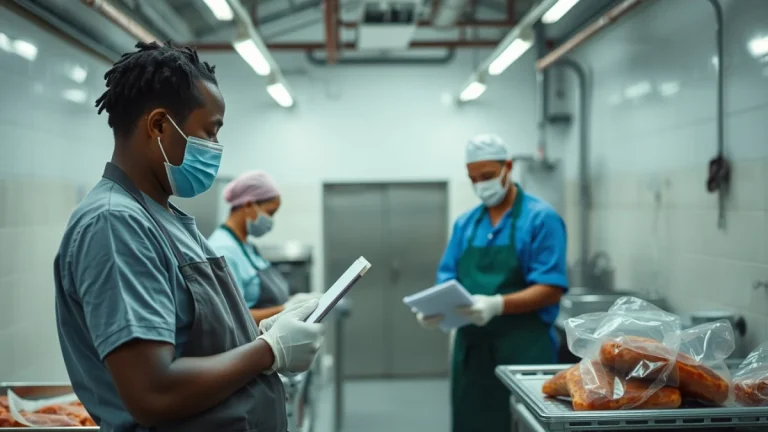
Food safety supervisors make sure food is handled properly to stop contamination or illness. They oversee daily operations to comply with South African food safety standards. You’ll monitor food preparation, storage, cleaning, pest control, and staff hygiene.
Unlike kitchen staff focused on cooking and plating, supervisors look out for risks. For example, noticing a fridge is not cold enough or a staff member not washing hands properly. You’ll also run training sessions to keep the whole team aware of safety rules.
A Day in the Life
- Monitor food temperatures during preparation and storage
- Train kitchen and service teams on safe practices
- Keep detailed records to meet legal requirements
- Identify contamination risks and take corrective action
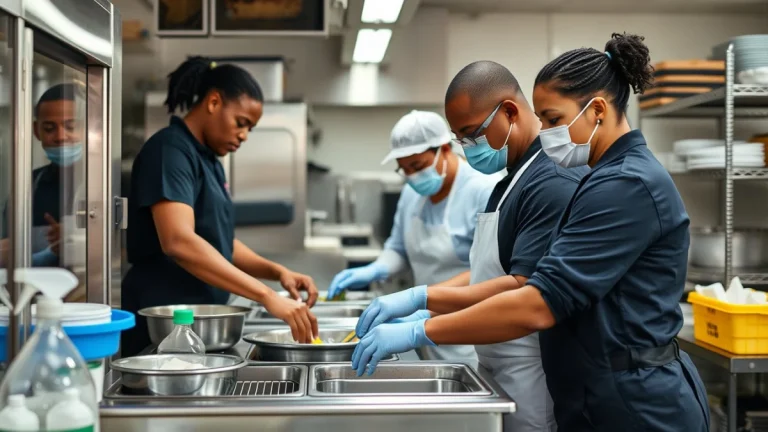
- Coordinate waste disposal and pest control
Skills You Need to Get Started
Hands-on skills are valued more than just theoretical knowledge. Here’s what employers typically expect from a beginner food safety supervisor:
- Attention to detail: Spotting a small hygiene slip could prevent food poisoning.
- Clear communication: You must explain rules clearly—both in training and daily supervision.
- Team leadership: Motivating sometimes reluctant staff to follow safety protocols.
- Record keeping: Maintaining logs for inspections and audits is key.
- Problem-solving: Quick action when something goes wrong—like identifying pest signs or cross-contamination.
A common misconception is that strict enforcement means being harsh. In reality, respect and practical support work better to build a consistent food safety culture.
How to Qualify Without Experience: Your Learning Path
South African workplaces commonly require supervisors to have some basic formal training. Starting with an online food safety supervisor course South Africa can give you this edge. Programs like the free Food Safety Supervisor Course offered by EduCourse include:
- Food safety principles and hazards
- Personal hygiene and food handling standards
- Safe storage and temperature control
- Cleaning, pest control, and waste management
- Food safety laws and compliance
- Team training and leadership skills
Completing such a course provides a food safety supervisor certificate course free South Africa—a practical proof of your knowledge which employers appreciate. It’s specifically built for beginner learners and works well for those aiming for hospitality or food manufacturing roles.
Overlooked Tip
Many beginners skip the focus on documentation during study. But keeping accurate daily logs and records is a skill that sets you apart and prevents issues during inspections.
Who Hires Food Safety Supervisors?
While hospitality is the most obvious industry, food safety supervisors are needed in many places, including:
- Restaurants, cafes, and fast food outlets
- Food production and processing plants
- Retail food outlets and supermarkets
- Catering companies
- Healthcare and school food services
- Municipal and government inspection bodies
In South Africa, employers often look for supervisors who can manage both compliance and practical supervision in busy kitchens or production lines. This is why workplace food safety supervisor training courses free South Africa can be especially helpful to get your foot in the door.
Career Growth and Opportunities
Starting as a food safety supervisor opens pathways like:
- Quality assurance officer roles
- Food safety auditor or inspector jobs
- Health and safety management positions
- Leadership roles in food production or hospitality management
With experience and further study, you can climb from overseeing daily safety activities to shaping company-wide food safety policies or consulting on compliance.
Salary Expectations
For beginners in South Africa, salaries typically range from R6,000 to R12,000 per month, depending on the workplace size, location, and industry. Larger companies or food manufacturers may pay more. Experienced supervisors with proven skills and certificates often earn higher wages or move into supervisory roles that pay R15,000+ monthly.
What Beginners Usually Get Wrong
Many new supervisors expect formal inspectors to show up daily. In reality, much depends on your team and how well you maintain standards day to day. Relying too much on inspections to find problems can cause big risks.
Another common mistake is focusing only on visible cleanliness and overlooking temperature checks or cross-contamination risks. Some miss how important communication is—telling your team WHY things matter can improve compliance significantly.
Tips for Getting Your First Job as a Food Safety Supervisor
- Start by completing a free beginner food safety supervisor course with certificate from a reputable South African site.
- Volunteer or seek internships in kitchens or food outlets—even basic food handler roles help build understanding.
- Highlight your training and willingness to learn on your CV.
- Practice explaining simple food safety rules clearly—this is often tested in interviews.
- Network with local hospitality or food production businesses through job boards and social media groups.
- Be honest about having no experience but show your commitment to safe food handling.
- Don’t underestimate the value of soft skills like patience and team motivation.
Frequently Asked Questions
Do I need any prior experience to become a food safety supervisor?
How long does an online food safety supervisor course take?
What are the most important laws I need to know?
Can a food safety supervisor work in hospitality without a certificate?
Next Steps: Start Your Food Safety Supervisor Career Today
If you’re ready to step into food safety supervision, the best move is to gain the right skills and a certificate to back them up. The free Food Safety Supervisor Course with Certificate in South Africa offered by EduCourse is made for beginners. It covers everything you need to know to get started, improve your chances in the job market, and grow with confidence.