How to Get a Food Production Assistant Job With No Experience
Looking for a way into the food industry without prior experience? A Free Food Production Assistant Course with Certificate in South Africa offers a clear path to start your career. It’s designed for absolute beginners to gain the practical skills employers need and prove your readiness with a free certificate.

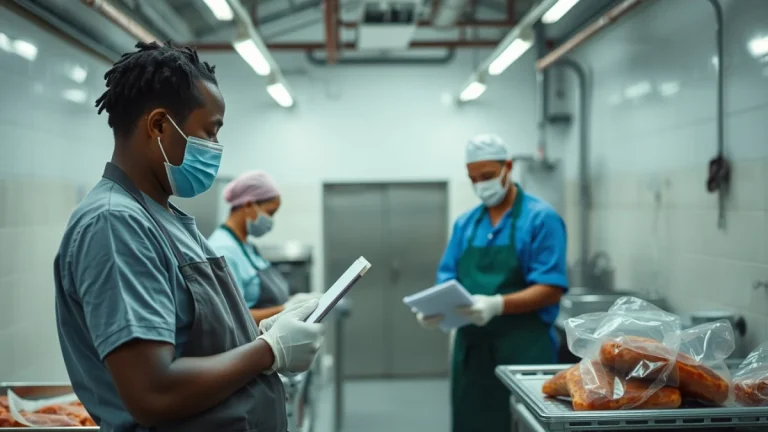
Many newcomers worry about practical skills and workplace safety — and rightly so. Starting out, you’ll face fast-paced food prep environments where attention to hygiene and safety isn’t optional. For example, a common beginner mistake is underestimating how quickly food contamination spreads, which causes real production delays or waste.
What Does a Food Production Assistant Actually Do?
At its core, the role supports daily operations in food manufacturing or catering. You’ll help with tasks like:
- Measuring and portioning ingredients
- Handling raw and cooked foods safely
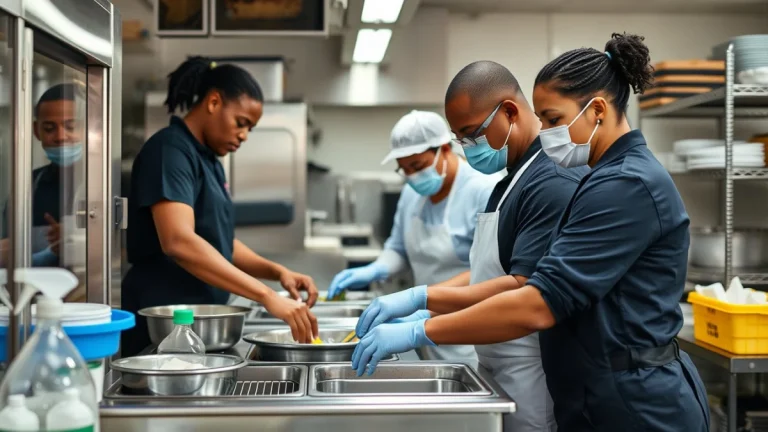
- Cleaning and sanitizing tools and equipment
- Monitoring storage temperatures and labels
- Following hygiene and safety standards
These duties might sound simple, but they’re the foundation that keeps food safe, fresh, and up to quality standards. Things often get hectic — for example, if a batch gets mislabeled or not stored properly, it can delay the whole line and cost the business a lot.
Key Skills You’ll Need
Besides being careful with hygiene and food safety, you’ll need to develop:
- Teamwork: The kitchen or production line is fast and noisy. Communication makes all the difference.
- Attention to detail: Temp checks, cleaning logs, and correct portioning matter.
- Basic equipment handling: Knowing how to use and maintain tools safely prevents accidents.
- Problem solving: You’ll often troubleshoot small issues like fridge temps or spotting food quality problems.
Many beginners struggle with maintaining consistent cleaning routines – it’s easy to rush when the workload builds up. Missing this step risks contamination and strict penalties in a real workplace.
How to Get Qualified: The Learning Path
A short, beginner-level course is perfect to get started without feeling overwhelmed. A free online food production assistant course in South Africa often covers practical topics like:
- Food safety principles and personal hygiene
- Safe food handling and storage
- Cleaning and sanitation routines
- Health and safety in the workplace
- Quality control and basic food prep skills
The best courses include quizzes and final reviews to test your knowledge. You’ll get a certificate upon completion, which shows employers you’ve met minimum standards without any cost or travel.
Who Hires Food Production Assistants in South Africa?
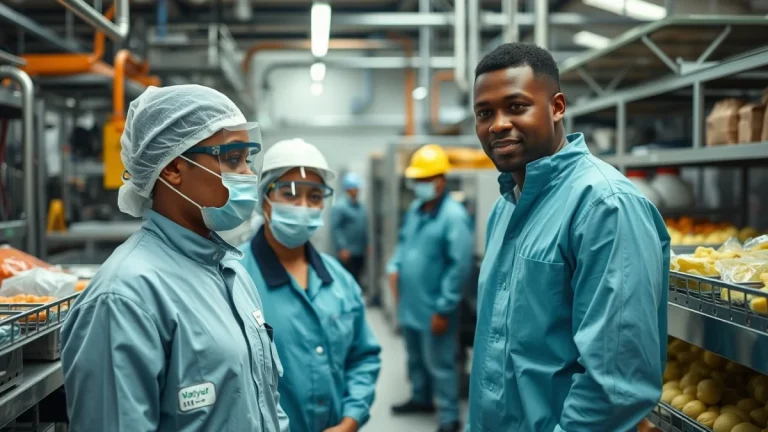
Organizations that produce, package, or serve food all need assistants. This includes:
- Food manufacturing companies
- Catering and events businesses
- Restaurants and fast-food outlets
- Large kitchens in hotels or hospitals
- Bakeries and dairy processors
Demand is steady as these sectors must follow strict food safety laws. Employers usually expect entry-level staff to already understand basic hygiene, workplace safety, and food handling — so having certification gives you an edge.
Career Growth: What’s Next After Entry Level?
A food production assistant role is a stepping stone. With experience and further training, you can move into:
- Quality control roles
- Supervisory or team leader positions
- Specialised food preparation or baking
- Health and safety representative positions
Some move on to formal food technology or nutrition studies. The big plus is that skills like quality control and hygiene apply across many industries, not just food.
What Salary Can You Expect?
As a beginner in South Africa, hourly wages for food production assistants vary but often range from R15 to R25 per hour, depending on location and the employer. Entry-level roles tend to pay minimum wage or slightly above. Experienced workers or those with additional skills may earn more over time.
Keep in mind: overtime shifts, night work, or hazardous area pay can add to earnings. But since the role can be physically demanding and fast-paced, balancing workload and safety is important.
Common Beginner Mistakes to Avoid
One big mistake new assistants make is rushing through cleaning or skipping PPE use during busy periods. This leads to contamination or accidents and can cause serious problems like food recalls or workplace injuries.
Another misconception: thinking the role is just about simple tasks. Reality is, constant vigilance is needed. Missing a temperature check or labeling step can result in wasted food — costing your employer money and trust.
Practical Tips to Land Your First Job
- Complete a free online food production assistant course with certificate South Africa to stand out.
- Highlight your understanding of food safety and hygiene in your CV.
- Look for internships or workplace training in food companies willing to take beginners.
- Prepare to explain in interviews why safety and cleanliness matter in food production.
- Be ready to show you can work under time pressure and follow clear instructions.
Starting as a helper or trainee may mean hands-on learning guided by more experienced staff — embrace it as part of the process.
FAQs
Do I need experience before applying for food production assistant roles?
How long does the free food production assistant course take?
Can this role lead to better jobs in food production?
What should I wear or bring for a food production assistant job?
Ready to Start? Take the First Step
If you want a practical, free food production assistant course with certificate South Africa, check out EduCourse’s online training. It covers everything you need to know for entry-level food production work and lets you study at your own pace. Getting this qualification can open doors in local food companies looking for reliable, trained staff.
Explore the Food Production Assistant Course on EduCourse and start building your skills today.