What Good Manufacturing Practices (GMP) Mean in Food Manufacturing
If you are searching for clear, practical guidance on GMP for food production, this post will help. Good Manufacturing Practices are a set of rules and routines that food producers follow to keep products safe and consistent. For anyone starting out, knowing GMP is key to handling raw materials, processing, packaging, and even transport the right way. If you’re interested in a Free Food Manufacturing Fundamentals Course with Certificate in South Africa, like the one offered by EduCourse, understanding GMP is the first step.
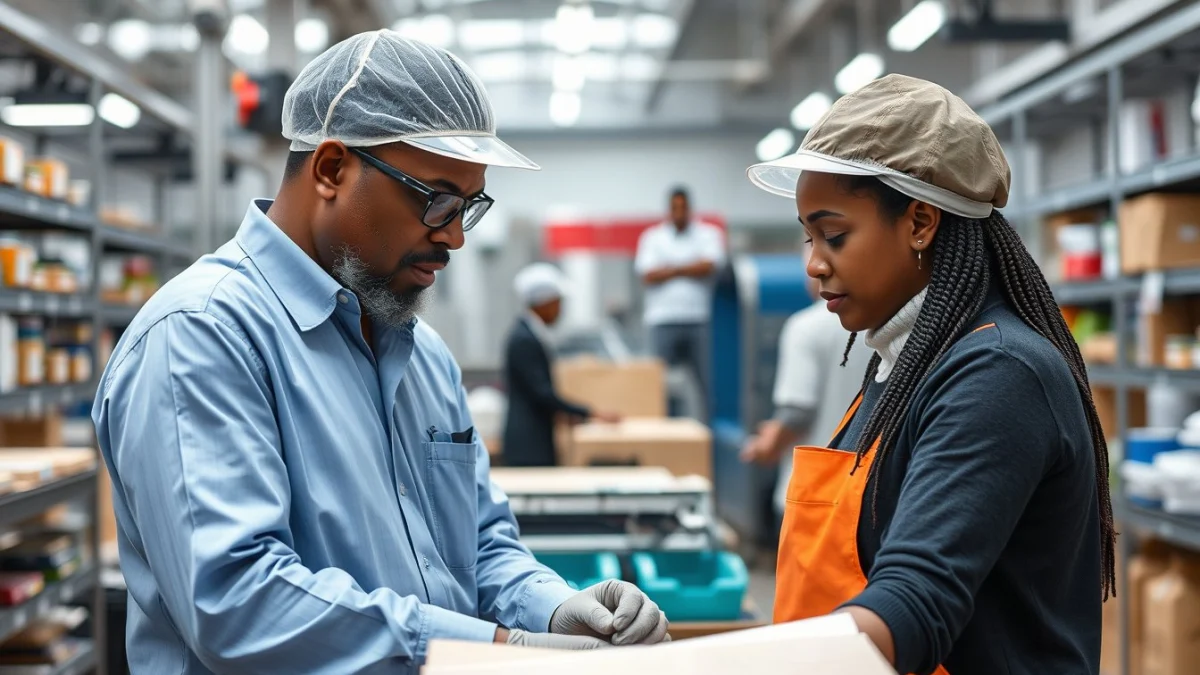
Many beginners expect GMP to be complicated paperwork or hard rules they cannot change. In reality, it’s about practical habits, such as washing hands correctly or checking storage temperatures, repeated every day. Picture a food plant worker who skips proper handwashing to save time—this small slip can lead to contamination, product recalls, or worse. South African workplaces run under strict laws, so routines matter a lot.
Why Good Manufacturing Practices Matter at Work
GMP exist to protect consumers and keep food businesses within the law. If you miss GMP steps, you could face penalties, lose customers, or harm someone’s health. In real workplaces, one poorly sealed package or dirty equipment can spell disaster. GMP builds trust between companies, regulators, and customers. For workers, it also creates a safer, cleaner atmosphere.
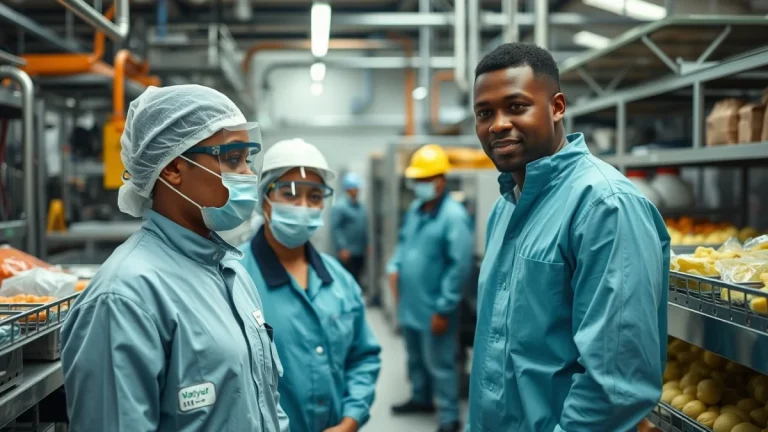
One overlooked insight is how GMP supports workplace teamwork. When everyone follows the same hygiene and safety steps, it avoids confusion and mistakes. However, beginners often mistake GMP as individual tasks. The truth is, GMP only works if the whole team commits.
The Core Components of Good Manufacturing Practices
1. Hygiene and Personal Care
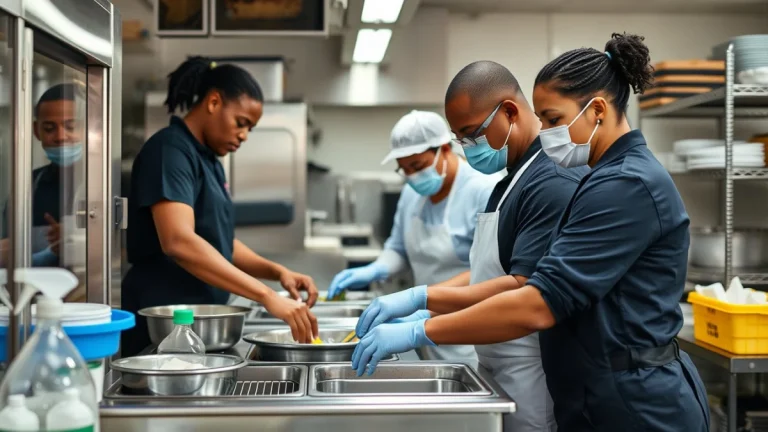
Personal hygiene is non-negotiable in food plants. This includes proper handwashing, clean uniforms, and avoiding jewellery or nail polish. Workers must follow hygiene policies — not just for rules, but to stop contamination. A surprise for many newcomers: even healthy-looking workers can carry germs if they don’t wash hands well.
2. Equipment and Facility Cleanliness
All tools, machines, and working surfaces require regular cleaning and maintenance. Dirty equipment can hide bacteria or cause chemical contamination. In South Africa, GMP specify how and when cleaning should be done.
3. Raw Material Handling and Storage
Sourcing ingredients correctly means checking quality, expiry dates, and keeping products in recommended conditions. Improper storage—like warm temperatures for perishable goods—results in spoilage. Traceability is also vital: being able to track ingredients back to suppliers helps manage recalls quickly if needed.
4. Processing Controls
Food processing steps must be controlled carefully—temperature, timing, and equipment settings affect safety and quality. Missing critical control points can cause bacteria growth or chemical hazards. This is a spot where beginners often underestimate the need for precision.
5. Packaging and Labelling
Packaging materials must be safe and prevent contamination. Labels must follow South African legal requirements, including ingredient lists and expiry dates. Fake or missing info on labels can mislead consumers and invite legal trouble.
6. Storage, Distribution, and Transport
After production, finished foods need proper storage and transport to maintain safety. Temperature control during transit and handling prevents spoilage or contamination. Overlooking these details is a common but serious error in food manufacturing.
7. Documentation and Record-Keeping
Good records show that GMP steps were followed. This includes cleaning schedules, inspection reports, and batch records. In case of audits or incidents, paper trails prove compliance and help solve problems faster.
What Good Manufacturing Practices Look Like in a South African Food Plant
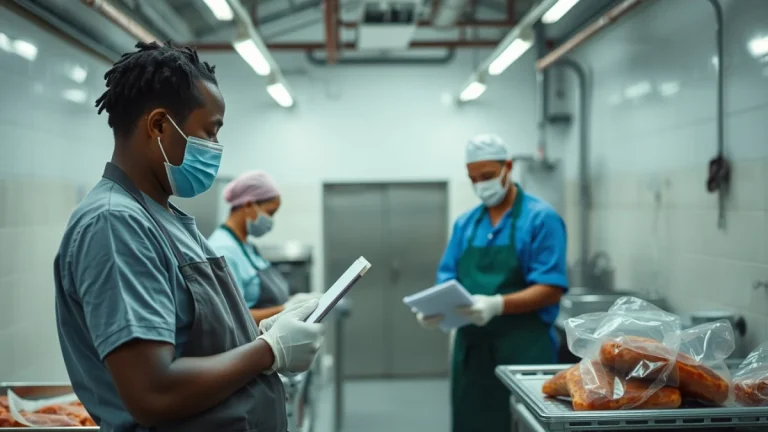
Imagine a shift supervisor with a busy morning team preparing ready-made meals. Workers first sterilise cutting boards, wash hands thoroughly using approved techniques, and wear the right PPE like gloves and hairnets. Ingredients are checked for freshness and stored in cool rooms at correct temperatures. Processing machines have been tested earlier for proper function. Once cooked, meals are packed in sealed, labelled containers. Finally, transport vans are cleaned and pre-cooled to keep meals safe en route.
This scene reflects how GMP is a daily routine, not a one-time checklist. It works only if every worker understands their role and the “why” behind it.
Common Misunderstandings About GMP
- GMP is just about cleanliness. While hygiene is a big part, GMP covers everything from raw material checks to record-keeping and transport safety.
- It slows down production. Some think GMP causes delays. In practice, good planning and training make processes smoother and reduce costly mistakes.
- Only managers need to know GMP. Every level of staff must know and practice GMP — ignoring it anywhere risks product safety.
- GMP is too complex to follow strictly every day. In South African plants, GMP routines are designed to be practical and manageable, not overwhelming.
Tips for Beginners Learning Good Manufacturing Practices
- Focus on personal hygiene first. Nail down proper handwashing and protective clothing use before moving on.
- Ask questions if unclear. Don’t guess GMP rules; verify with supervisors or your course materials.
- Take note of cleaning schedules. Understand when and how equipment should be cleaned and checked.
- Learn the critical control points. Know where the risks lie in processing steps and how to monitor them.
- Keep your own small checklist. Track your daily GMP tasks to build good habits.