Food Manufacturing Safety Standards Every Worker Should Know
Working in food manufacturing in South Africa means navigating a strict maze of safety standards designed to protect consumers and workers alike. If you’re searching for a free food manufacturing fundamentals course with certificate in South Africa, knowing the key safety and compliance points upfront will save you headaches later. This article lays out exactly what you need to know about food manufacturing safety standards, why they matter, and how to meet them — without messing up on common beginner pitfalls.
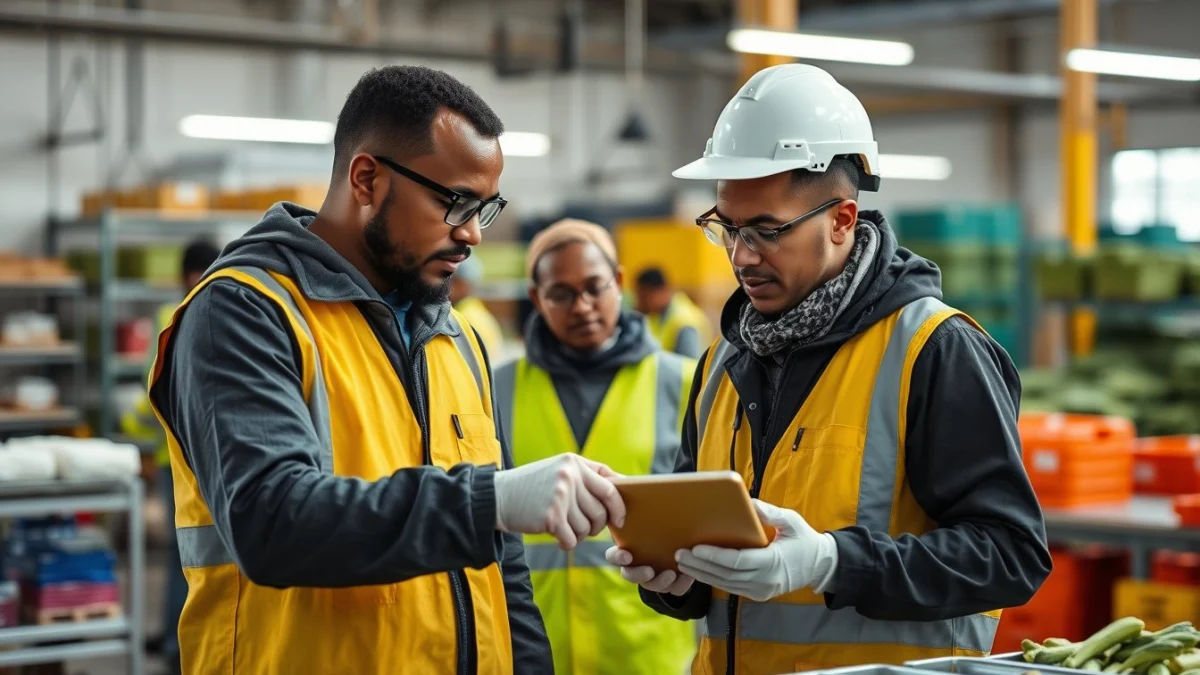
Starting out in a food processing plant can be overwhelming. You might be wondering what rules apply to your role, which hygiene steps actually count, or how serious consequences can get if standards slip. The reality is, a moment’s oversight—like skipping handwashing or misunderstanding packaging labelling—can cause contamination, product recalls, or even legal trouble. This is why a practical understanding of South Africa’s food manufacturing safety environment is critical for anyone entering the field.
What To Know First: Food Manufacturing Safety Compliance Basics
In South Africa, food manufacturing safety standards are governed mainly by the Foodstuffs, Cosmetics and Disinfectants Act, and enforced by the Department of Health and the Department of Agriculture, Forestry and Fisheries. The focus is on preventing contamination, ensuring traceability, and maintaining hygiene throughout production, packaging, storage, and transport.
Those working in food manufacturing need to comply with legal food safety requirements. This includes personal hygiene, workplace cleanliness, proper raw material handling, and correct labelling. Without following these standards, manufacturers risk penalties, product loss, or putting consumers’ health in danger.
Who Needs to Follow These Standards?
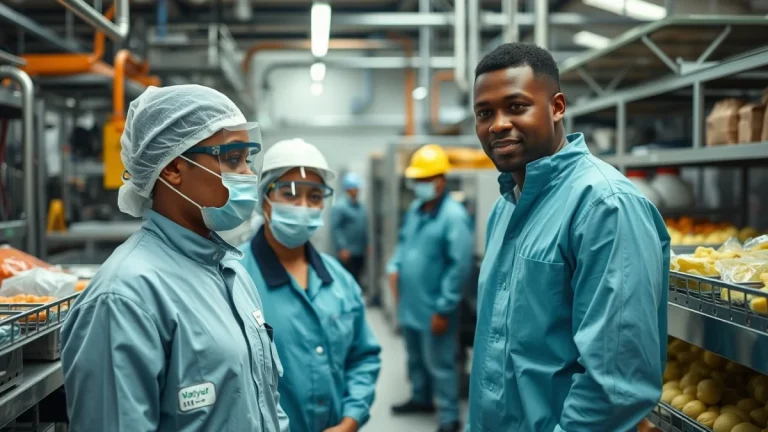
Food manufacturing safety standards apply to everyone involved in producing food products. This includes factory workers on the shop floor, quality control staff, supervisors, packaging teams, and transport personnel. Even office staff must understand basic hygiene rules if they enter production areas.
For many beginners entering the industry, one overlooked fact is how even seemingly small roles affect overall compliance. For example, a packaging assistant might underestimate the importance of labelling accuracy and inadvertently cause non-compliance. Every role connects to safety.
Key Responsibilities for Food Manufacturing Workers
- Maintain personal hygiene: Regular handwashing, wearing clean protective clothing, and following workplace hygiene rules.
- Handle raw materials correctly: Proper inspection, storage at correct temperatures, and reporting any suspicious contamination.
- Comply with processing controls: Understanding machinery operation limits, critical control points, and safe temperature settings.
- Ensure packaging and labelling compliance: Using safe materials and complete, accurate labelling as per legal requirements.
- Report hazards and incidents promptly: Supporting workplace safety culture by flagging issues and following emergency procedures.
Risks and Penalties for Non-Compliance
It’s not just about ticking boxes. Ignoring food safety standards can lead to serious consequences:
- Product recalls: Mistakes in hygiene or labelling can force expensive recalls that damage company reputation.
- Legal penalties: Authorities can impose fines or shut down production facilities for breaches of the Foodstuffs Act.
- Health risks: Contaminated food causes illness, which could be traced back to your workplace.
- Job loss: Repeated safety failures put your employment at risk.
A common beginner mistake is thinking food safety is only the quality control team’s job. In reality, everyone must play their part consistently to avoid these risks.
Best Practices to Meet South African Food Manufacturing Safety Standards
1. Follow Personal and Workplace Hygiene Protocols
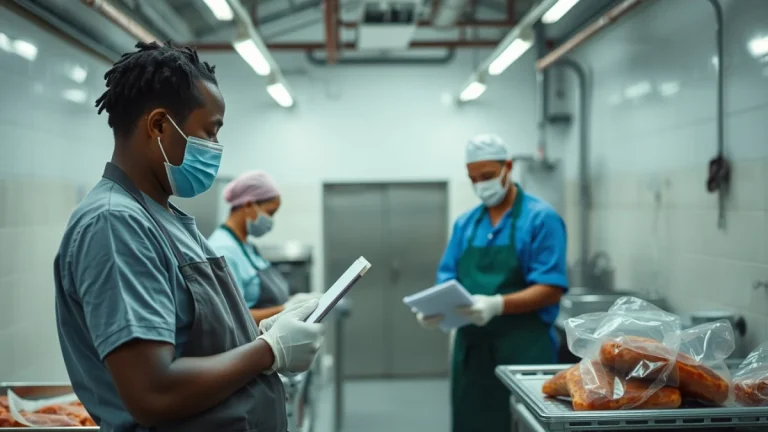
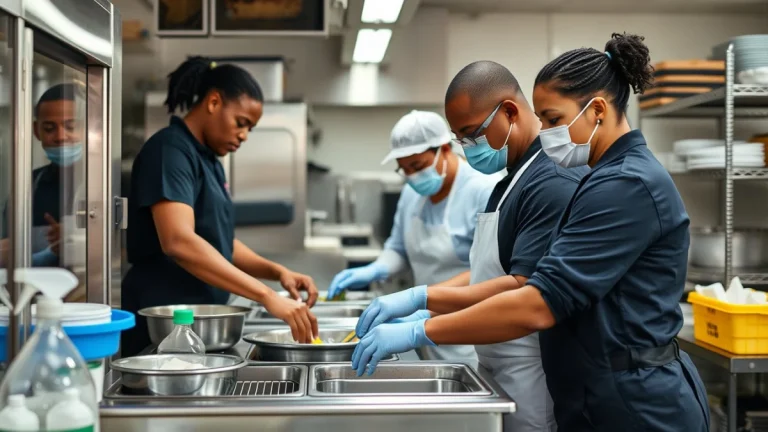
Effective handwashing is often overlooked or rushed in real workplaces. Use designated handwashing stations before entering production lines. Wear PPE—including hairnets, gloves, and overalls—and keep these clean.
2. Inspect and Store Raw Materials Properly
Check deliveries for spoilage or damage. Store ingredients at correct temperatures and ensure traceability labels are intact to track batches.
3. Control Processing Parameters Rigorously
Understand and monitor food processing equipment settings like temperature and time to prevent bacterial growth. Report any malfunctions immediately.
4. Maintain Accurate Packaging and Labelling
Use only approved materials. Ensure product labels include required information such as ingredients, expiration dates, and allergen warnings.
5. Keep Thorough Documentation
Record hygiene checks, equipment maintenance, and corrective actions. Proper logs protect you during audits and inspections.
What the Workday Really Looks Like: Practical Realities
On the floor, workers often juggle speed with care—delays affect plant output but rushing risks contamination. For example, a production line worker may notice a packaging label incorrectly printed but feels pressured to keep going until a supervisor arrives. This creates tension between meeting targets and staying compliant.
A less obvious challenge: some workers don’t realise how frequent contamination can be from personal items or jewellery, which aren’t always banned rigorously at smaller plants.
Managers often say ongoing training and spot checks are what keep teams aligned with safety standards — regular refreshers beat forgetfulness or shortcuts.