What Does a Food Safety Supervisor Actually Do?
At its core, the role of a food safety supervisor is to make sure food is stored, prepared, and served in a way that keeps everyone safe from foodborne illnesses. If you’re searching for a Free Food Safety Supervisor Course with Certificate in South Africa, you probably want to know exactly what duties you’d take on and why they matter on the job. This role is key in South African kitchens, restaurants, and food outlets where one small slip can cause health issues—and put a whole business at risk.

Many beginners think being a food safety supervisor means just telling staff to wash hands or clean surfaces, but it’s deeper than that. You’re responsible for creating a safety culture, spotting risks before they grow into problems, and staying up to date with South Africa’s food safety laws. It can be a lot, especially if you’re new and juggling training while on the floor with a busy team.
The Core Responsibilities of a Food Safety Supervisor
Here’s a clear breakdown of what’s typically expected of you in this role:
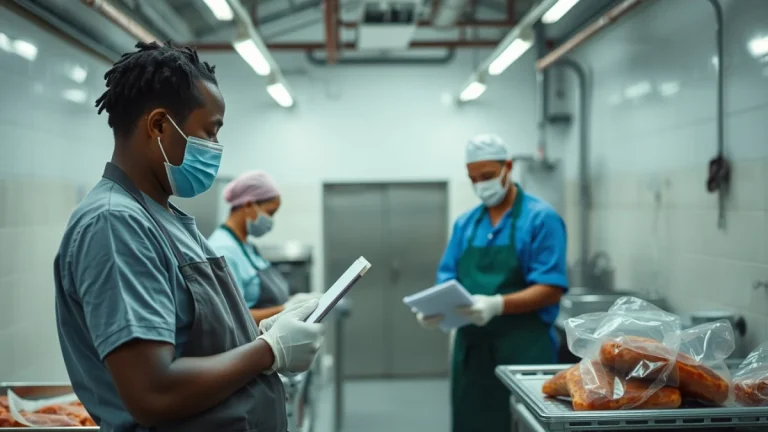
- Managing Hygiene and Personal Practices: You ensure everyone follows basic rules like proper handwashing, wearing protective gear, and reporting illnesses promptly. This stops contamination from starting with the food handlers themselves.
- Overseeing Food Storage and Temperature Control: You monitor how and where food is stored—making sure fridges and freezers stay at the right temperatures, avoiding spoilage and bacteria growth.
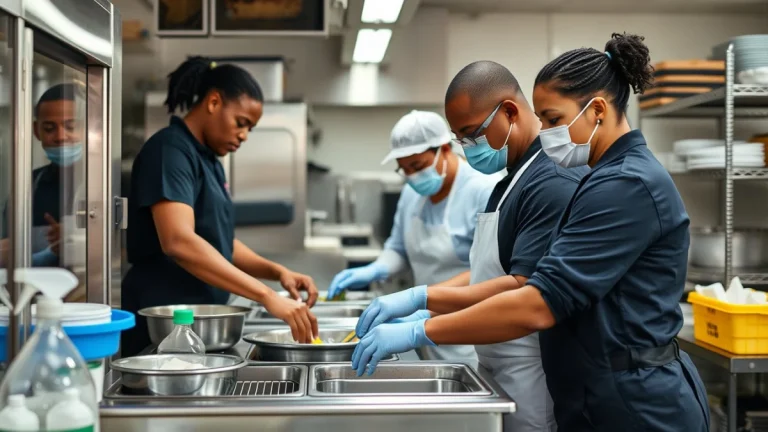
- Cleaning and Sanitising Coordination: Setting up cleaning schedules, choosing appropriate sanitizers, and ensuring no cross-contamination during cleaning procedures are part of your job.
- Pest and Waste Management: Preventing pest infestations and making sure waste is disposed of safely is crucial to keeping the food environment clean.
- Training and Leading: You teach and motivate food handlers to stick to food safety rules, communicating standards clearly and dealing with any resistance.
- Regular Inspections and Risk Assessments: Carrying out food safety checks, identifying hazards early, and arranging corrective actions helps keep the operation safe.
- Ensuring Compliance with South African Food Laws: You must know the relevant legislation, keep accurate records, and prepare for any official inspections.
Why Does This Role Matter in South African Workplaces?
South Africa faces unique food safety challenges. Common foodborne illnesses like Salmonella or E. coli outbreaks can quickly spread, affecting customers and damaging a hospitality business’s reputation. Supervisors prevent these by turning theory into daily practice.
Imagine an afternoon rush in a busy Cape Town restaurant kitchen: food coming in, being prepped, staff stressed, and temperatures rising. Without a knowledgeable supervisor spotting a fridge door left ajar or a staff member skipping handwashing, contamination risks spike. When food poisoning hits, it’s not just health at stake but jobs and trust too.
What It Looks Like Day to Day
Food safety supervision isn’t just ticking boxes. It’s practical, hands-on, and often fast-paced. Here’s what a shift might involve:
- Starting with checking temperature logs for fridges and freezers.
- Visiting workstations to remind staff about clean gloves and washing hands after handling raw meat.
- Running through a quick inspection checklist and spotting spills or improper storage.
- Explaining a new sanitation policy to staff resistant to change.
- Documenting any incidents and following up on corrective action.
- Planning a refresher training session for the team next week.
This shows the balance between leadership, monitoring, and practical action that supervisors maintain daily.
Common Mistakes Beginners Make
The biggest mistake is thinking the job is about punishing staff or just enforcing rules by fear. Effective supervision builds trust and teaches why food safety steps exist. Another trap is neglecting paperwork; proper records aren’t just admin but legal proof of vigilance.
Many new supervisors overlook pest control. It’s easy to focus on food prep but ignoring waste areas or small pest signs can quickly undo all other safety efforts. Also, expecting immediate full compliance without ongoing training and encouragement often leads to frustration. Change takes time.
Helpful Tips for New Food Safety Supervisors
- Start simple: Master core tasks like handwashing protocols and temperature checks before tackling advanced topics.
- Use checklists daily: They keep you organised and catch small issues early.
- Communicate clearly and kindly: Explain the “why” behind rules to get buy-in.
- Keep learning by doing: The best supervisors see audits and inspections as chances to improve, not just find faults.
- Know the legal basics: Familiarise yourself with South African food safety laws and keep your records up to date.
FAQs About Food Safety Supervisor Duties in South Africa
What qualifications do I need to become a food safety supervisor?
What happens if food safety issues are missed?
Can I do food safety supervisor training online in South Africa?
How does a food safety supervisor impact daily kitchen operations?
Ready to Step Into This Role?
If you want to learn all the practical skills and legal knowledge you need, consider the Free Food Safety Supervisor Course with Certificate in South Africa from EduCourse. It’s designed for beginners and covers real workplace scenarios you’ll face. Getting your certificate online means you can build your confidence and boost your career in food safety supervision quickly and conveniently.