Food Safety Compliance Checklist for Restaurants in South Africa
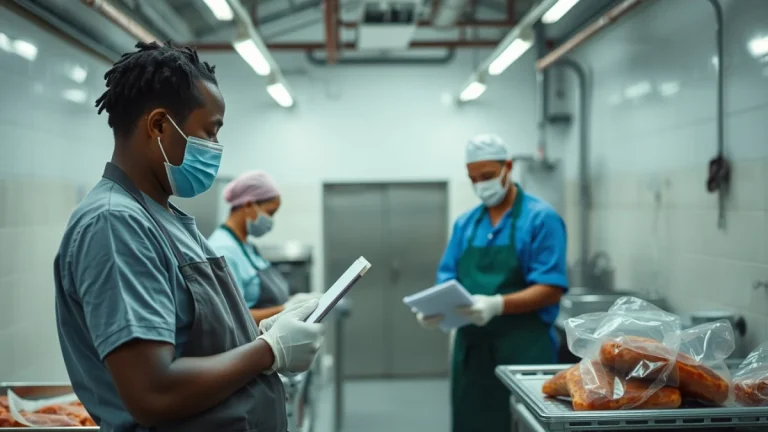
Meeting food safety compliance in a restaurant means more than ticking boxes—it protects customers, your staff, and your business reputation. Running a kitchen without strict adherence to food safety principles can lead to legal trouble, food poisoning cases, and closure by authorities. This checklist is your practical guide to understanding and applying South Africa’s food safety laws, tailored for restaurant supervisors and managers.
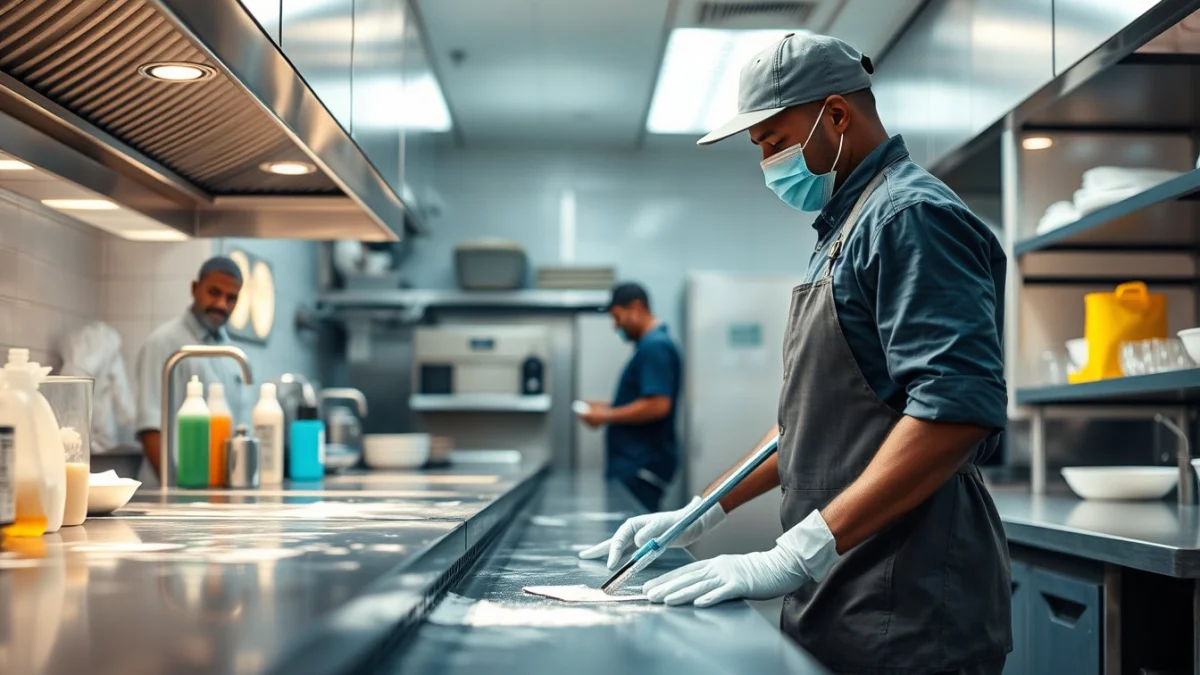
Many new supervisors feel overwhelmed by the rules or think food safety is just about cleanliness. But it goes much deeper. For example, not keeping accurate temperature logs for fridges might seem minor until you face spoiled food complaints or a health inspector’s visit. Overlooking small paperwork like pest control records or training documentation can lead to fines or worse—a forced shutdown.
What You Need to Know About Food Safety Compliance in South African Restaurants
Food safety compliance in South Africa is governed mainly by the Foodstuffs, Cosmetics and Disinfectants Act, the National Regulator for Compulsory Specifications, and local municipal by-laws. The law requires every food establishment to manage risks that could cause foodborne illness. This means proper food handling, storage, hygiene, waste disposal, pest control, and staff training.
The free Food Safety Supervisor Course with Certificate in South Africa offers detailed insight into these requirements, helping supervisors understand and meet their legal duties in real time.
Who Must Comply?
- All restaurants and food service outlets in South Africa.
- Supervisors, kitchen managers, and anyone responsible for food safety oversight.
- Food handlers who prepare, store, or serve food.
If you manage a kitchen, whether a small café or a busy restaurant in Cape Town or Johannesburg, you fall under these regulations.
Core Responsibilities for Food Safety Supervisors
A food safety supervisor is the frontline guardian of health in any restaurant. Your role is to:
- Implement food safety policies and procedures daily.
- Train and supervise all kitchen and serving staff in safe practices.
- Keep accurate records such as temperature logs, cleaning schedules, and pest control.
- Conduct regular inspections and risk assessments.
- Ensure compliance with South African food safety laws and respond quickly to any hazards or breaches.
These responsibilities are often underestimated. For example, supervisors sometimes skip regular handwashing audits or delays pest control action, mistakenly assuming it’s someone else’s job. This not only risks contamination but can lead to enforcement action by inspectors.
Risks of Poor Food Safety Compliance
Failing to comply can have serious consequences:
- Health risks: Foodborne illnesses can cause severe harm to customers, including hospitalisation or worse.
- Financial damage: Fines from local authorities and potential lawsuits can cripple a business.
- Business closure: Health inspectors can shut down establishments for critical violations.
- Reputation loss: Negative reviews and loss of customer trust linger long after fines are paid.
Remember, even minor incidents like keeping raw meats at incorrect temperatures can harm health and trigger investigations.
Best Practices for Restaurants to Stay Compliant
- Regular Training: Use free food safety supervisor training online South Africa resources to keep teams updated.
- Accurate Record Keeping: Maintain logs of temperatures, cleaning, pest control, and staff training activities.
- Personal Hygiene Enforcement: Enforce strict handwashing, use of protective clothing, and health reporting policies.
- Routine Inspections: Conduct daily and weekly food safety checks with clear checklists.
- Pest and Waste Management: Implement integrated pest control and safe waste disposal plans.
- Stay Informed: Keep updated on changes in South Africa’s food safety legislation.
One overlooked tip: Most supervisors miss the importance of documenting corrective actions after inspections. These records show a proactive safety culture that inspectors value highly.
Real-World Example: How Compliance Saved a Cape Town Restaurant
A mid-sized restaurant in Cape Town faced a surprise inspection. Thanks to their consistent food safety supervision, including detailed temperature logs and pest control records, they passed with no major findings. Their supervisor had trained staff regularly and kept clear reports of staff illness reporting. Other nearby venues lost trading days after failing similar inspections. This example shows how daily attention to compliance protects your business from costly interruptions.
Common Questions About Food Safety Compliance for Restaurants
Who is responsible for food safety compliance in a restaurant?
What key documents must a restaurant keep to demonstrate compliance?
What penalties do restaurants face for failing food safety compliance?
How often should a food safety supervisor conduct inspections?
Practical Food Safety Compliance Checklist for Restaurants
| Compliance Area | Key Actions | Frequency |
|---|---|---|
| Food Handling | Train staff, enforce handwashing, monitor cross-contamination risks | Continuous/daily |
| Temperature Control | Check, record fridge, freezer, and cooked food temps; discard unsafe food promptly | At least twice daily |
| Personal Hygiene | Ensure use of gloves and protective clothing, illness reporting | Daily |
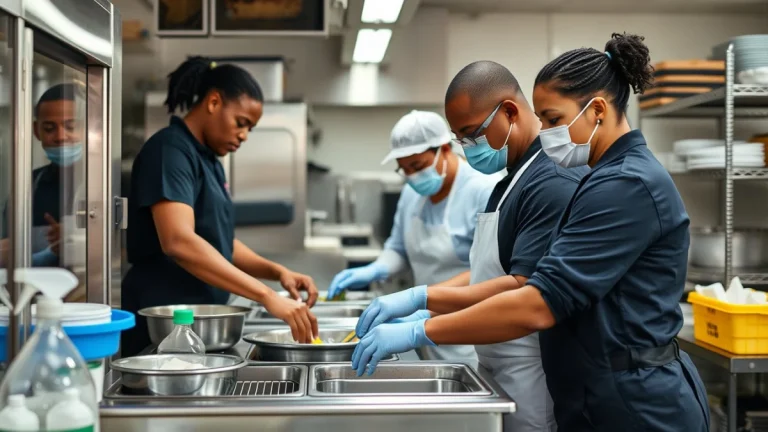
| Cleaning & Sanitising | Follow schedules, use approved sanitizers, prevent cross contamination | Daily/weekly |
| Pest Control | Inspect for signs, engage pest control services, keep logs | Weekly |
| Waste Disposal | Separate waste, dispose safely, keep bins covered | Daily |
| Documentation | Maintain all safety records and update after incidents | Continuous |
| Legal Compliance | Stay updated on laws, ensure all required Notices displayed | Ongoing |
Where to Get Practical Food Safety Supervisor Training for Free in South Africa
If you’re starting out or want to improve your skills, a free beginner food safety supervisor course with certificate in South Africa is an excellent way to learn key compliance tasks. The online format lets you study at your pace and apply lessons immediately in your workplace.
This kind of food safety supervisor online training free South Africa covers everything from legal standards to pest control and cleaning, exactly what you need to keep your restaurant compliant.
Conclusion: Compliance is a Daily Commitment, Not a One-Off Task
Food safety laws in South Africa are clear, but compliance takes effort and attention every day. Supervisors must lead training, enforce hygiene, keep detailed records, and act quickly on hazards. Neglect can lead to health risks and business losses.
Use this checklist as a baseline to keep your restaurant safe, legal, and trusted by customers. Taking a structured, well-documented approach makes inspections less stressful and helps you spot risks before they become emergencies.